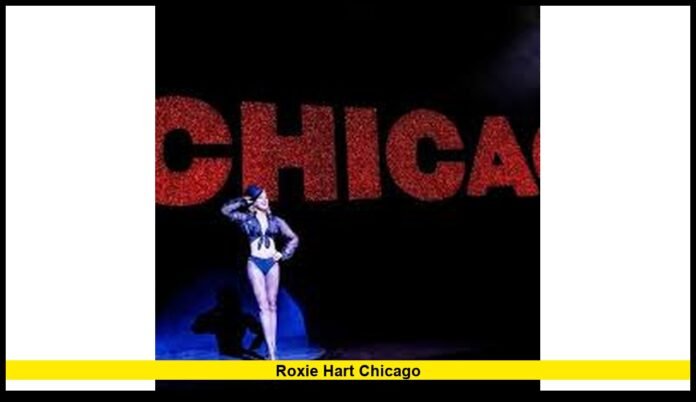

roxie hart chicago continues to hold a central place in American theater, standing as one of Broadway’s most recognizable and influential characters. Her presence has shaped the identity of the long-running musical Chicago and helped define the show’s tone, style, and cultural reach. For decades, audiences have watched Roxie charm, manipulate, dazzle, and provoke through a story that blends dark humor, showbiz satire, and the spectacle of the courtroom world of the 1920s.
This article explores the character’s origins, evolution, impact on Broadway, performance expectations, and why actors continue seeking the opportunity to bring Roxie to life.
How Roxie Hart Was Created: A Character Born From Real Events
The story behind Roxie begins nearly a century ago. In the 1920s, Chicago newspapers captured national attention with their sensational coverage of murder trials involving young women accused of killing their lovers. Maurine Dallas Watkins, a journalist covering those cases, developed a sharp eye for the way publicity shaped public opinion. She later adapted those courtroom events into a stage play, creating fictionalized versions of the characters.
Roxie Hart emerged from that blend of real reporting and theatrical interpretation. She was introduced as a bold, ambitious young woman whose story—though filled with crime, betrayal, and spotlight-chasing—reflected the era’s obsession with celebrity trials.
The character took root quickly. Audiences recognized the social satire embedded in her story and connected with the clever critique of a justice system often swayed by publicity rather than truth.
Adapting Roxie for Broadway: Musical Transformation in the 1970s
In 1975, the creative team of John Kander and Fred Ebb transformed Watkins’ courtroom drama into a musical. They infused the story with a jazz-inspired score, sharp lyrics, and a theatrical style that drew heavily from vaudeville traditions. Bob Fosse, a legendary figure in musical staging, helped design the musical’s signature movement and tone.
The result was a new, electric version of Roxie Hart—one that sang, danced, charmed, and schemed her way across the stage with a mix of vulnerability and ambition.
Her musical portrayal emphasized:
- Self-promotion
- Media manipulation
- Performative storytelling
- A hunger for fame
- A chaotic blend of humor and tragedy
This portrayal shaped everything audiences have come to expect from Roxie: a character who is both captivating and unsettling, humorous and calculating.
The Revival That Made Roxie a Modern Icon
While the original run laid the foundation, the 1996 Broadway revival of Chicago permanently elevated Roxie’s status. The revival used minimalist staging, stylized costumes, a live onstage orchestra, and an ensemble-driven performance style. This approach stripped away theatrical excess and highlighted the characters’ personalities—especially Roxie’s.
The revival became one of the most successful in Broadway history. Roxie Hart’s role rose with it, becoming a dream part for many performers across stage, film, music, and television.
Today, Roxie continues to be one of the most frequently recast roles on Broadway due to the show’s longevity and its rotating system of guest performers.
Why Actors Love Playing Roxie Hart
The role of Roxie offers performers an unusual opportunity to explore a wide emotional range. She is witty, glamorous, insecure, and at times ruthless. Every performer brings something different to the character because the role gives room for interpretation while maintaining a strong structural identity within the show.
Actors love the role for many reasons:
1. Roxie is emotionally layered
She shifts between confidence and desperation, comedy and tension. These transitions require skill and invite artistic exploration.
2. The role demands charisma
Roxie speaks directly to the audience at key moments, creating an immediate performer-to-crowd connection that few roles offer.
3. Her song list is iconic
Musical numbers like “Funny Honey” and “Roxie” give performers the chance to showcase storytelling skill through vocals and theatricality.
4. The choreography is distinctive
Fosse-style movement asks for precision and sharp control, giving Roxie a boldly stylized physical identity.
5. The character is central to the show
Roxie drives the story, carries emotional beats, and anchors major plot turns. She remains the lens through which the audience experiences Chicago.
Performance Expectations: What the Role Requires
Actors stepping into Roxie Hart must prepare for a demanding schedule and a role that challenges both physical and vocal endurance.
Vocals
Roxie’s songs rely on storytelling more than power vocals. Clarity, timing, and character expression are essential.
Choreography
The show uses precise, jazzy movement. Roxie must maintain strong line control, quick transitions, and confident posture throughout.
Acting technique
The character requires impeccable comedic timing, believable emotional pivots, and the ability to balance satire with sincerity.
Stamina
Eight performances per week require strength, focus, and disciplined vocal care.
Because the role blends multiple performance disciplines, Roxie is viewed as both a challenge and an honor for any actor who takes her on.
Why Roxie Hart Continues to Attract Celebrity Guest Stars
One of the defining elements of the long-running revival is its rotating celebrity casting. Producers frequently bring well-known performers from television, music, and film into the role for limited engagements.
The reasons are practical and artistic:
- Celebrity performers draw wider audiences
- Roxie’s role is structured to adapt to different personalities
- The show’s vaudeville style supports varied interpretations
- Guest stars help maintain long-term ticket interest
This system revitalizes the show regularly, giving audiences new reasons to return while maintaining a consistent artistic framework.
For celebrity performers, stepping into Roxie is an opportunity to prove stage capabilities and connect with a live audience in a prestigious setting.
Roxie Hart in Film and Cultural Impact
The character reached an even larger audience with the 2002 film adaptation of Chicago. That film reinvigorated public interest in the musical and introduced Roxie’s story to viewers worldwide.
Her cultural impact includes:
- Introducing new generations to jazz-inspired musical theater
- Highlighting the theme of media sensationalism in modern contexts
- Reinforcing the character as a symbol of ambition and reinvention
The film success also boosted Broadway attendance and contributed to the longevity of the revival.
Why Roxie’s Themes Still Resonate
Roxie’s story is not just theatrical entertainment. It speaks directly to the American fascination with fame, press coverage, scandal, and public image. In an era where celebrity trials, social media popularity, and image-driven narratives shape public life, the themes inside her story feel more relevant than ever.
Audiences connect with Roxie because:
- She mirrors society’s hunger for attention
- Her actions highlight how fame can be constructed
- Her courtroom story feels timeless
- The satire remains sharp, even decades after the musical’s premiere
This combination ensures that roxie hart chicago will remain a fixture in discussions about American theater and cultural storytelling.
What Sets Roxie Apart From Other Broadway Leads
Many Broadway leading roles focus on romance, tragedy, or personal transformation. Roxie stands apart because she actively shapes her own narrative—even when her motives are self-serving.
Key distinctions include:
- Roxie refuses to be passive
- She uses performance as a survival tool
- Her self-awareness drives comedic and dramatic moments
- She challenges conventional notions of morality
- The audience understands her flaws but still finds her compelling
This complexity contributes to her enduring popularity.
Audience Perspective: What It’s Like to Watch Roxie Live
Seeing Roxie performed onstage offers a visceral energy that makes the show memorable. The musical’s bare staging keeps the focus firmly on the actors and their movements. Roxie’s direct audience engagement heightens the experience and draws spectators deep into her emotional rollercoaster.
Visitors often note:
- How captivating the character becomes during her solo numbers
- The excitement of live comedic moments
- The precision of the choreography surrounding her
- The charisma required to hold an audience for an entire performance
The experience often inspires theatergoers to return for different interpretations over time.
Final Thoughts
Roxie Hart remains one of Broadway’s most enduring figures—bold, unpredictable, and endlessly fascinating. Her story, born from real events and sharpened by theatrical satire, continues to speak to modern audiences. As Chicago remains a fixture of the Broadway landscape, Roxie stands as the character who drives its energy, its humor, and its cultural bite. The combination of memorable music, powerful storytelling, and dynamic staging ensures she will continue captivating audiences for years to come.