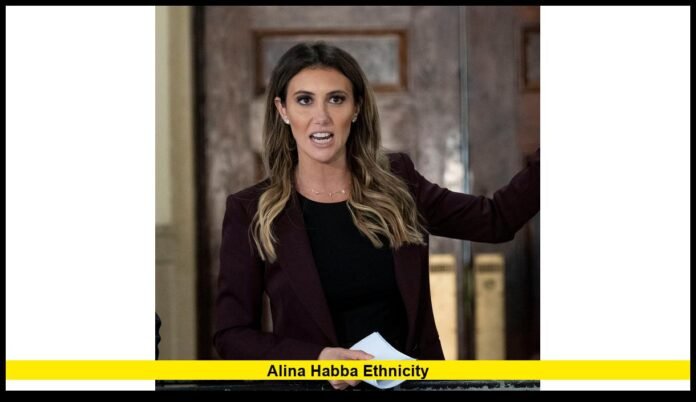

Alina Habba ethnicity has become a point of growing public interest as her national visibility increases. Her background is rooted in the Chaldean Iraqi community, a deeply historic group whose traditions, language, and faith have shaped generations. Habba was born in Summit, New Jersey, to parents who came from Iraq during a period of significant change in the Middle East. Her heritage reflects a blend of cultural identity, family history, and faith that continues to play a role in how she is discussed in the public space.
A First-Generation American Story
Habba’s upbringing fits within the larger story of many first-generation Americans who grew up with a strong connection to their ancestral background. Her parents arrived in the United States in the early 1980s, joining thousands of Iraqi Christian families who sought stability and opportunity. They carried with them their Chaldean Catholic traditions, which influenced Habba’s early environment, values, and worldview.
Growing up in New Jersey, she experienced a mix of American culture and Middle Eastern heritage. This blend gave her a unique cultural upbringing, one that many Chaldean American families recognize and share. Her background shaped her early identity and continues to be acknowledged when her biography is discussed today.
Understanding the Chaldean Identity
To understand Habba’s background, it helps to look at the Chaldean identity itself. Chaldeans trace their roots back to ancient Mesopotamia. Today, the community is known for its strong ties to the Chaldean Catholic Church, which uses its own liturgical language and traditions. Many Chaldean families come from northern Iraq, where Christian populations lived for centuries.
This identity is both cultural and religious. Members often emphasize family bonds, traditional celebrations, and community life. Even after immigration, Chaldean households frequently maintain close-knit values connected to their heritage. Habba’s family came from this tradition, making her upbringing part of a larger cultural narrative shared among Chaldean Christians in the United States.
Heritage and Religious Tradition
Religion plays an important role in many Chaldean families. The Chaldean Catholic Church has its own structure, rituals, and history. Though Habba practices within the Roman Catholic tradition today, her family’s roots in the Chaldean community reflect an identity shaped by that older, Eastern Catholic background.
These traditions often influence major life moments such as holidays, family gatherings, and cultural customs. Many Chaldean Americans continue to observe unique practices associated with their ancestry even as they integrate into broader U.S. society. For Habba, this combination of heritage and faith forms a central part of how her identity is understood.
Birthplace and Early Environment
Habba was born in Summit, New Jersey, a suburban community known for its diverse population and strong local institutions. Growing up in this environment, she had access to both her cultural heritage and the broader American experience. Her childhood combined Middle Eastern traditions at home with the American lifestyle present in her schools and community.
This dual upbringing is a familiar pattern among first-generation children of immigrants. Many balance the expectations of their ancestral culture with the opportunities and norms of American society. For Habba, this created a personal background that is both anchored in her parents’ heritage and shaped by her life in the United States.
Why Her Background Draws Attention
Public attention around her ethnicity increased as Habba became more visible through legal and media roles. Whenever a public figure gains national recognition, readers often seek to understand their background. In Habba’s case, her Chaldean Iraqi heritage adds context to her family history and helps explain the cultural influences that shaped her upbringing.
American audiences today are increasingly interested in understanding the diverse backgrounds of public figures. Habba’s story is part of a broader narrative about immigrant families, cultural preservation, and the blending of traditions across generations.
Chaldean Immigration to the United States
The Chaldean community in the U.S. grew significantly in the late 20th century. Many families left Iraq due to political, social, and economic pressures. As they settled in American cities, they formed strong communities that maintained cultural traditions while contributing to local economies.
Chaldean Americans established businesses, churches, and social organizations across states such as Michigan, California, Illinois, and New Jersey. These communities often support each other through shared customs, language, and religious practice.
Habba’s family journey fits within this larger movement. Their immigration story reflects the determination and resilience that many Chaldean families brought with them when they built new lives in the United States.
Cultural Characteristics of Chaldean Families
Chaldean households are known for emphasizing strong family ties. Children often grow up surrounded by grandparents, aunts, uncles, and cousins. Cultural gatherings typically include shared meals, traditional dishes, and community events that reinforce heritage.
Other common characteristics include:
- A strong sense of community belonging
- Traditions centered around Catholic faith practices
- Preservation of cultural celebrations and holidays
- Emphasis on education and professional achievement
- Deep respect for family elders and customs
These patterns are familiar to many U.S. families with Middle Eastern origins. Habba’s upbringing aligns with these traditions, giving her a cultural foundation that connects her to Chaldean history.
The Importance of Heritage in Public Profiles
Ethnicity often becomes a focal point when public figures rise into national conversations. It helps readers understand where someone comes from and what influences may have shaped their early life. In Habba’s case, the Chaldean Iraqi background offers insight into her family history and the cultural environment in which she was raised.
Her ethnic identity does not define her entire public image, but it remains a factual part of her biography. This background adds detail and accuracy to descriptions of her origins.
Connecting Heritage With Modern Identity
Like many first-generation Americans, Habba built her adult life within the United States while staying connected to the traditions she grew up with. This blend of cultural backgrounds is common across many communities. It reflects the diversity of American society, where individuals often carry more than one identity.
Her Chaldean Iraqi roots represent history, ancestry, and family tradition. Her American upbringing represents opportunity, education, and the environment that shaped her professional career. Together, these elements form a multilayered personal background.
Why Readers Search for This Information
Search interest around ethnicity often increases when public figures play significant roles in national news or public life. People seek context, accuracy, and clarity about who someone is. Understanding the heritage of a public figure helps readers gain a clearer picture of the influences that shaped their early life.
For readers who want precise information without speculation, identifying verified heritage details ensures accuracy. In Habba’s case, the confirmed aspects of her background—her Chaldean Iraqi ancestry, her family’s immigration story, and her upbringing in New Jersey—create a complete and factual portrait.
A Clear Summary of Her Ethnic Identity
To give a clear and factual overview:
- She is a first-generation American.
- She was born in Summit, New Jersey.
- Her parents emigrated from Iraq in the early 1980s.
- Her family is part of the Chaldean Catholic community.
- Her heritage reflects both Iraqi ancestry and Chaldean Catholic tradition.
- Her upbringing blended Middle Eastern cultural practices with American life.
These details define alina habba ethnicity in the most accurate, verified, and current way.
The Broader Picture of Chaldean American Life
Chaldean Americans continue to contribute to U.S. communities today. Many run businesses, participate in civic life, and pass down traditions to their children. Their cultural story is part of the diverse fabric of the United States.
Habba’s background fits into this broader Chaldean American experience. Her heritage connects her to a long lineage of Middle Eastern Christians while her upbringing reflects the opportunities available to new generations in the United States.
Final Thoughts
Understanding a public figure’s background offers clarity, context, and insight. Habba’s heritage is rooted in a community with a long and meaningful history. Her Chaldean Iraqi identity remains a significant part of who she is, and it continues to draw interest as she maintains a visible role in national discussions.
Feel free to share your thoughts or questions about this topic below — your insights help keep the conversation active.