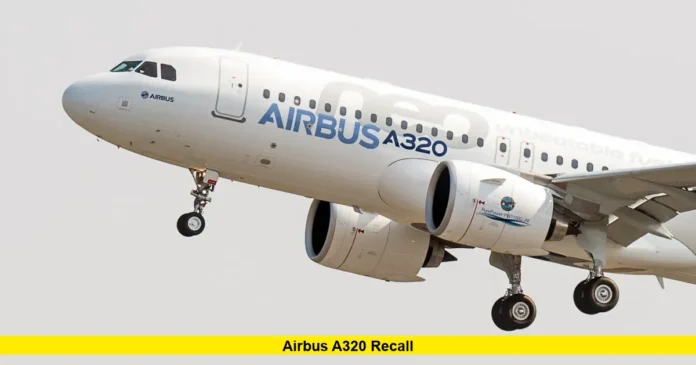

Airlines around the world are working through a wide range of safety and scheduling challenges after a new set of required software actions triggered an airbus a320 recall affecting a large portion of the widely used narrow-body fleet. The decision has set off a full-scale response across maintenance teams, regulatory agencies, and airport operations as carriers implement the mandated software rollback and conduct associated flight-control checks before returning aircraft to service.
A sweeping safety action with immediate consequences
The recall centers on a mandatory return to a previous flight-control software version following the discovery of a data anomaly tied to a recent update. Aviation regulators directed airlines to complete the rollback before the next routine flight for each affected aircraft. The action was taken as a matter of precaution, ensuring that the fleet operates on a proven software baseline while engineers continue analyzing test results and system data.
Airlines began adjusting their schedules within hours of receiving the directive. Some carriers were able to respond quickly due to available spare aircraft or diversified fleets. Others faced far more disruption, particularly airlines that rely heavily on A320 family jets for regional and domestic networks. As a result, passengers in several markets experienced delays, flight swaps, or cancellations while maintenance crews worked around the clock.
What triggered the software rollback requirement
Technical teams identified that a specific environmental condition—linked to unusually strong bursts of solar radiation—interacted with the updated flight-control software and allowed corrupted data to enter certain system components. While no harmful incident was reported beyond the triggering event that led to the directive, regulators emphasized the importance of returning aircraft to a previously validated software configuration as soon as possible.
The rollback removes the possibility that the newer software could react unpredictably in the presence of another intense radiation burst. Engineers have stressed that modern aircraft are designed with multiple layers of redundancy and safeguards, but the presence of an unresolved variable requires an immediate and conservative response.
How airlines are handling the recall at operational level
Implementing the rollback is meticulous work, especially when dozens or hundreds of aircraft are involved. Maintenance teams must load the earlier software version, run detailed validation checks, verify data integrity, and conduct a sequence of system tests that confirm proper flight-control behavior.
For most jets, the procedure can be completed in a few hours. However, aircraft requiring deeper diagnostic checks or hardware inspections may remain grounded longer. The impact varies by carrier, depending on fleet age, equipment standardization, and the availability of technicians skilled in the rollback process.
Airline operations centers are managing the situation with the same urgency typically reserved for severe weather events or large-scale logistical disruptions. Flight planners are reworking rotation schedules, dispatch teams are coordinating backup aircraft swaps, and customer service departments are processing rebookings for passengers whose itineraries have been affected.
Airports adjust to concentrated maintenance activity
Airports with major A320 operations have witnessed an unusual surge in ground-based technical work. Hangars that typically manage routine maintenance now host rows of parked aircraft awaiting their turn for software reversion. Additional mobile maintenance stations have been deployed at several hubs to speed up turnaround.
Ground crews are carefully choreographing aircraft movements to avoid congestion, particularly at airports where gate space is limited. Lighting, power units, diagnostic equipment, and specialized tools have all been redistributed to accommodate the sudden increase in technical demand.
Airport authorities reported close coordination with airlines to manage any knock-on effects to gate availability, taxiing routes, and pushback schedules. The aim is to minimize delays for unaffected flights and prevent secondary operational bottlenecks.
Widespread passenger impact but controlled response
Travelers across multiple regions have encountered delays and cancellations, though the severity differs widely by market. Some airlines operating mixed fleets of Boeing and Airbus aircraft have been able to shift capacity or move passengers onto alternate airframes. Others with heavier A320 reliance have struggled to maintain scheduled frequency.
Passengers are being advised to monitor flight notifications closely, particularly for departures within the next several days. In many cases, affected customers receive rebooking options automatically through airline apps or text alerts.
While the recall has caused noticeable disruption, airlines and regulators have emphasized that the action is precautionary and rooted in maintaining the highest safety margins. The quick response and compliance across global carriers have helped contain what could otherwise have been a much more prolonged operational impact.
Regulatory actions set the tone for industry response
Aviation authorities issued detailed technical instructions outlining the exact steps required to revert aircraft to the earlier software version. The directive specifies the compliance timeline, mandatory verification tasks, and ongoing reporting obligations. These instructions apply across multiple jurisdictions, ensuring that A320 family aircraft adhere to uniform safety requirements regardless of where they operate.
Regulators continue to work with engineers and data specialists to analyze factors that contributed to the anomaly. Their ongoing assessments will determine whether further updates, inspections, or long-term software changes will be necessary.
Officials have stressed that this event reinforces the importance of rigorous monitoring of aircraft systems, especially as modern jets depend increasingly on complex, integrated software platforms.
Inside the maintenance work: what technicians are checking
The rollback process requires sequential system checks that ensure the aircraft’s flight-control computers correctly process sensor inputs and command surfaces. Technicians perform:
- Software reversion and checksum verification
- A full reboot of related systems to confirm clean initialization
- Flight-control functional tests simulating key inputs
- Data integrity checks to ensure all systems sync properly
- A review of hardware components involved in data transmission
In select cases, additional diagnostic steps are required if the aircraft’s onboard monitoring system flagged any inconsistencies. Those jets remain grounded until technicians confirm full compliance with the directive.
Teams with specialized avionics expertise are taking lead roles at larger airports, while smaller outstations are receiving remote support or temporarily reassigned personnel.
Airlines outline near-term expectations
Carriers expect a rolling return to normal operations as more aircraft complete the procedure. Most airlines anticipate meaningful progress within days, though a full schedule restoration may take longer for those with extensive A320 fleets.
Customer service teams are preparing for another wave of adjustments as aircraft return to service at different intervals. Flight schedules are being reviewed daily to ensure that restored aircraft can be deployed where capacity is needed most.
Some carriers have temporarily consolidated flights on busier routes or shifted wide-body aircraft onto domestic segments to accommodate more passengers at once. These moves help reduce the number of individual delays but may affect seat selection or pre-assigned seating.
What travelers should do during the recall window
Travelers planning to fly within the next several days are encouraged to:
- Monitor airline apps and email for schedule changes
- Arrive early at the airport if traveling during peak hours
- Check whether their itinerary includes an aircraft swap
- Review airline rebooking and refund policies
- Sign up for text alerts to receive real-time updates
Passengers experiencing cancellations are generally offered rebookings on later flights or alternative routings. Hotels or meal vouchers may be offered depending on the carrier and local regulations.
Industry-wide lessons likely to follow
This recall underscores the dependency of modern aircraft on software ecosystems that must interact flawlessly with environmental factors. While aircraft are designed with multiple redundancies, the aviation industry continuously refines its testing protocols to anticipate every possible scenario, including rare environmental events.
Engineers are now studying how the interplay between radiation bursts and system data flow may inform future certification standards. These findings could shape new guidelines for software resilience, testing under extreme conditions, and pre-deployment validation steps.
A moment that reinforces the industry’s safety culture
Despite the scale of the recall, aviation leaders emphasize that the response showcases the industry’s longstanding commitment to proactive safety. Grounding or delaying flights is costly, labor-intensive, and inconvenient, but the swift response ensures that the risk is eliminated before further operations.
The directive also serves as a reminder that global fleets can adapt quickly when confronted with unexpected developments. Airlines, regulators, airports, and maintenance crews acted in coordinated fashion, reducing the potential for further complications.
As aircraft continue completing their required software rollback, carriers will gradually restore schedules, and passengers can expect more consistent operations in the days ahead. The recall has introduced short-term challenges, but the broad and unified response demonstrates the aviation industry’s priority: addressing any anomaly thoroughly before it becomes a threat.
One thing remains clear in the midst of the disruption: the aviation sector’s ability to respond decisively to emerging issues remains one of its greatest strengths. As recovery progresses, the operational lessons learned from this event will inform future software management and system testing strategies across the fleet—ensuring safer, more resilient travel for passengers worldwide.