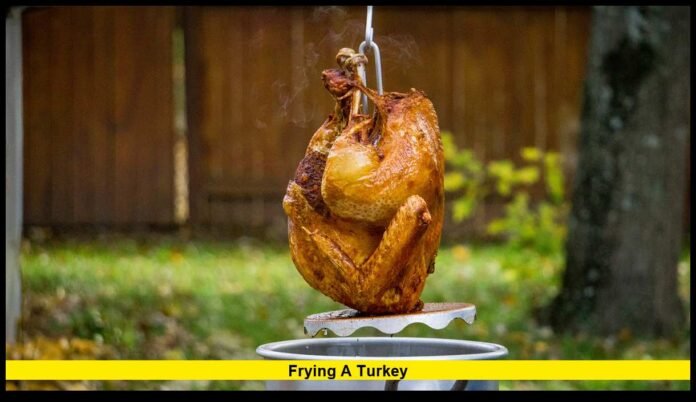

Opening Paragraph
Frying a turkey has become one of the most talked-about holiday cooking practices this season, and many families are preparing for it with renewed focus on safety. With the 2025 holiday rush underway, fire officials nationwide are urging home cooks to take extra precautions as this cooking method continues to cause preventable fires, injuries, and property damage when done incorrectly.
Understanding Why This Cooking Method Gets So Much Attention
The dramatic rise in popularity of deep-fried holiday birds has brought increased attention from safety experts. This cooking style delivers a crispy exterior and juicy interior, but the technique also involves gallons of hot oil, open flames, and equipment that many people use only once a year.
During the holiday season, emergency departments consistently report spikes in fire-related calls, many of which involve attempts to cook outdoors using gas-powered appliances. The most common issues include rapid oil overflow, unstable fryer bases, and adding a bird that is still partially icy or wet. Each of these can turn a festive moment into a dangerous situation in seconds.
The holiday timing adds another layer of risk. With crowded homes, kids running around, and cooks multitasking in and out of the kitchen, even a brief lapse in attention can become hazardous. That is why safety reminders this year are louder, more urgent, and more detailed.
Why Proper Preparation Matters More Than Anything
Safety begins long before the burner is turned on. Many of the incidents related to deep-frying begin with improper preparation rather than mistakes during the cooking itself.
Here are the areas experts emphasize most:
- Complete thawing is critical. A frozen or partially frozen bird contains trapped ice that reacts violently with hot oil. When that ice converts instantly to steam, the force can push oil upward and outward, creating a flare-up or full fireball.
- A dry surface reduces splatter. Even a small amount of leftover moisture on the skin or inside the cavity can cause the oil to bubble aggressively. That sudden bubbling often leads to spills over the sides of the pot.
- Knowing the correct oil amount is essential. Many accidents happen because the fryer pot is filled too high. As soon as the bird is lowered in, the displaced oil spills directly into the flame source.
Because of these risks, preparation time is not simply a recommendation—it is the foundation of a safe frying experience.
How to Measure Oil Correctly Before You Begin
A major point of emphasis this year is the importance of measuring the oil level before lighting the burner. The simplest and safest method involves using water.
This approach includes setting the uncooked bird into the fryer, filling the pot with enough water to cover it, then removing both the bird and the water. The remaining water line becomes the safe oil fill level. This method eliminates guesswork and prevents the most common overflow scenarios.
Even experienced home cooks sometimes skip this step, assuming their pot is large enough or relying on rough visual estimates. However, variations in bird size, cavity shape, and equipment dimensions make guessing risky. Taking a few minutes to measure the displacement line dramatically reduces fire hazards.
Choosing the Right Location for Outdoor Cooking
A major cause of accidents is selecting an unsafe location for outdoor cooking. Many people underestimate how far flames, smoke, and hot oil can spread.
Experts highlight these essential guidelines:
- Use only outdoors. Garages, patios, breezeways, and decks are not appropriate locations. Even with doors open, fumes and flames can spread rapidly.
- Keep a generous distance from buildings. Recommended space often ranges from ten feet to even more, depending on wind conditions and equipment setup.
- Avoid uneven or unstable ground. Unlevel surfaces can cause the pot to wobble or spill when lowering the bird, especially if the cooker is tall and narrow.
Wind is another consideration often overlooked. Even mild gusts can cause flames from gas burners to flare unpredictably or push smoke directly toward flammable materials.
Temperature Control: The Heart of a Safe and Successful Cook
Maintaining steady oil temperature is one of the most important safety tasks. Oil becomes volatile at excessively high temperatures, increasing the chance of ignition.
Here are key points emphasized by safety officials:
- Stay near the fryer at all times. Oil heats rapidly, and walking away even briefly can lead to overheating.
- Use a reliable thermometer. Gauges built into some fryers may not be perfectly accurate. A second thermometer adds security.
- Shoot for a steady temperature. A common target is around the mid-300s Fahrenheit. Temperatures above the upper 300s create unnecessary risk.
Consistent monitoring prevents overheating and also ensures a more evenly cooked bird. The balance of heat matters both for flavor and safety.
Protective Gear and Smart Precautions for the Cook
People often focus on the equipment and the bird, but what the cook wears is just as important. Hot oil is unforgiving, and splashes happen quickly.
Recommended protective items include:
- Heat-resistant gloves
- Long sleeves
- Closed-toe shoes
- Protective eyewear
- An apron that covers the torso and legs
Loose clothing should be avoided because fabric that brushes against the fryer can catch fire or knock equipment off balance.
Another frequent oversight is forgetting to keep others away from the cooking area. Children and pets are naturally curious and may approach without understanding the danger. Establishing a clearly defined perimeter ensures safety for everyone nearby.
A Look at the Most Common Mistakes People Make
Even with growing awareness, many home cooks still make one or more of the following errors. Understanding them helps prevent repeat incidents in 2025.
These mistakes include:
- Lowering the bird into hot oil too quickly
- Using too much oil
- Cooking near flammable objects
- Allowing someone inexperienced to operate the burner
- Leaving the fryer unattended
- Setting up in cramped spaces to avoid cold or windy weather
- Using the wrong type of oil
Each mistake increases the likelihood of spillovers, flare-ups, or severe burns. Remaining alert and following each step carefully is the best defense.
What Can Happen When Things Go Wrong
When problems occur, they often escalate quickly. Hot oil is extremely difficult to control once it spills or ignites.
Some of the most frequent outcomes include:
- Severe burns from splashing oil
- Fires that spread to nearby structures
- Damage to decks, siding, and lawn areas
- Tipping of unstable pots
- Injuries from attempting to extinguish grease fires with water
Water is especially dangerous around burning oil. When water hits the surface of burning grease, it instantly vaporizes, expanding rapidly and pushing the fire outward. This leads to explosive bursts that can spread flames across yards, walls, and anything combustible nearby.
This is why fire safety experts strongly emphasize using a grease-rated extinguisher and keeping emergency numbers ready.
Why Patience Is the Most Important Ingredient
Rushing the process is one of the biggest underlying causes of accidents. A safe and successful cook requires ample time to thaw, dry, measure, heat, and monitor everything without distraction.
People who try to speed up the thawing process risk leaving hidden pockets of ice. Cooks who try to rush the heating process risk pushing the oil to unsafe temperatures. Those who rush the lowering process are more likely to splash or spill.
Patience ensures control. Control ensures safety. And safety ensures a holiday meal worth celebrating.
Alternative Options for Those Seeking Less Risk
For families who want the flavor without the open-flame cooking risks, there are safer alternatives recommended by experts this holiday season.
These alternatives include:
- Infrared cookers: These use radiant heat rather than oil and eliminate the risk of oil fires.
- Electric outdoor roasters: Easy to manage, with precise temperature controls.
- Traditional roasting methods: A reliable option that avoids the risks associated with outdoor fryers altogether.
Each of these alternatives dramatically reduces fire risk and may be better suited for households with young children or limited outdoor space.
Final Thoughts
Preparing this holiday meal outdoors can be both memorable and delicious, but it comes with responsibilities that should never be overlooked. Attention to detail, patience, and proper planning make all the difference. Whether this is your first attempt or your tenth, using safe practices protects your home and the people you love.
What are your plans this season? Share your thoughts or let others know how you stay safe while cooking outdoors.