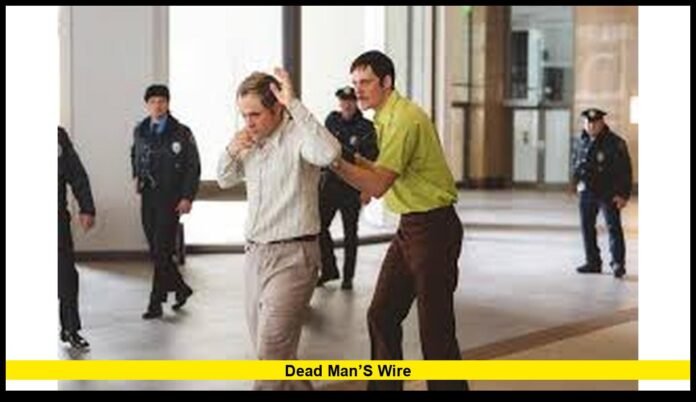

The upcoming true-crime drama Dead Man’s Wire has sparked major conversation across the U.S., and the latest trailer has intensified that momentum as the January 2026 release date approaches. The film retells one of the most extraordinary 1970s hostage events in American history, and excitement continues to build as new footage reveals how dead man’s wire tension plays out on screen.
With a limited release beginning January 9, 2026, and wider expansion scheduled for January 16, 2026, the movie is being positioned as a major early-year entry for fans of crime, suspense and historical drama. From its star-studded cast and gritty period design to its exploration of wealth, desperation and media influence, the project has gained strong early buzz.
Below is a comprehensive, detail-rich, SEO-optimized breakdown of everything known so far — structured specifically for U.S. readers and fully focused on the key term.
A True-Crime Story That Fascinated the Nation
The film revisits the 1977 Indianapolis hostage saga involving Tony Kiritsis, a local property owner who felt trapped by what he believed were unjust financial decisions. Feeling cornered by a loan agreement he could no longer sustain, he turned to an extreme act that stunned the country.
His decision to kidnap mortgage broker Richard O. Hall led to a tense 63-hour standoff. To ensure no intervention, Kiritsis used a modified shotgun rigged with a wire — the infamous dead man’s wire setup — which would fire if he was shot or if the hostage attempted to break free. This single wire transformed the confrontation into one of the most widely broadcasted and analyzed hostage incidents of the decade.
The method itself became symbolic of the entire ordeal. It reflected Kiritsis’s anger, fear and desperation, and it forced the police, press and bystanders to pay close attention to every move he made.
Why This Case Still Resonates Today
Nearly five decades later, the story remains relevant because of the themes embedded within it. Americans still debate fairness in lending practices, the human response to financial pressure and the media’s growing influence in high-stakes situations.
Dead Man’s Wire revisits these issues not only through dialogue and character interaction but through the unmistakable intensity of the original event. The filmmakers attempt to capture what it feels like when individual hardship collides with public spectacle — something that continues to define many crime stories today.
With so many modern conversations focused on economic frustration, mental health and sensationalized news coverage, the timing of the film feels particularly strong. It offers audiences a chance to reconsider an event that shaped how Americans view desperation and justice.
A Cast Designed to Carry the Weight of the Story
One of the film’s biggest strengths is its cast. The lineup is filled with actors known for depth, emotional range and the ability to portray morally complicated characters.
Bill Skarsgård as Tony Kiritsis
Skarsgård commits fully to the instability and intensity required for this role. Early footage shows him shifting between rage, charm, paranoia and determination. He brings a grounded depiction of a man who feels cornered yet strangely confident in his plan.
His portrayal is already being praised for its raw energy and psychological nuance.
Dacre Montgomery as Richard Hall
Montgomery plays the hostage caught at the center of the ordeal. His scenes focus on fear, restraint and the emotional weight of being trapped for hours with a deadly device aimed at him. His performance adds humanity and tension to the unfolding events.
Al Pacino as M.L. Hall
Pacino steps into the role of the hostage’s father, a respected figure in the local business community. His scenes are marked by frustration, authority and a desire to keep the situation from escalating. Pacino’s presence brings gravitas and authenticity to the storyline.
Colman Domingo, Cary Elwes and Myha’la
These actors round out the supporting cast and enhance the film’s layers of media involvement, legal tension and community reaction. Their characters help portray how the event impacted not only the people at the center but the entire city watching from the sidelines.
A Director Known for Atmospheric Stories
Gus Van Sant returns to the big screen with a story that fits his talent for character-driven filmmaking. His ability to portray intense psychological states makes him an ideal match for a hostage narrative centered on fear, confusion and emotional conflict.
Van Sant stays close to the gritty realism of the 1970s. Visual choices include muted colors, period-accurate clothing, low-saturation lighting and moments that echo actual news coverage from the decade. These stylistic elements give the story a documentary-like edge without sacrificing cinematic impact.
Production Approach and Filming Style
Filming occurred in early 2025, and the crew chose Louisville, Kentucky for its structural resemblance to 1970s Indianapolis. Many buildings and streets required minimal changes to recreate the world of the original incident.
Inside the film, viewers will see:
- Split-screen sequences mimicking live television news
- Practical effects used to recreate the wire mechanism rather than relying heavily on CGI
- Close-up shots that emphasize the emotional strain on both Kiritsis and Hall
- Period props, signage, vehicles and interior design to reinforce the time frame
This approach helps the film maintain historical accuracy without appearing stylized purely for dramatic effect.
The Trailer: What the New Footage Reveals
The trailer begins with calm shots of Indianapolis before abruptly cutting to Kiritsis walking through the streets with Hall by his side. Viewers immediately notice the wire mechanism running from the weapon to Kiritsis’s wrist — the main visual that defines the entire event.
Key elements highlighted in the trailer include:
- Skarsgård delivering intense monologues about debt, fairness and betrayal
- Montgomery portraying quiet terror as he follows Kiritsis through crowds and offices
- Police negotiators trying to create distance without provoking violence
- Pacino’s character addressing the media, the community and newsroom crews
- Flashbacks hinting at Kiritsis’s frustration leading up to the event
The trailer strategically avoids revealing the final standoff’s resolution, but the tension escalates quickly, hinting at emotionally powerful scenes.
Themes U.S. Viewers Can Expect
Dead Man’s Wire is not a simple retelling of a crime. It is built around strong themes that continue to resonate.
Economic Pressure
The story highlights how financial institutions and borrowers often clash. It explores the intense emotional toll that financial distress can create, especially when people feel unheard.
Mental Health
Kiritsis became both feared and pitied during the incident. The film uses his character to examine how untreated stress and psychological strain can push someone toward extreme actions.
Media’s Role
With reporters covering the standoff as it unfolded, the film shows how public exposure can influence the choices of both the aggressor and law enforcement.
Power and Vulnerability
At its core, the film examines the shifting power dynamic between the hostage and the captor. It portrays how dominance, fear and empathy collide in extreme conditions.
Release Strategy for U.S. Audiences
The movie’s staggered release plan offers multiple opportunities for viewers:
- January 9, 2026: Limited theater launch in select major cities
- January 16, 2026: Expansion to wider national release
This schedule allows early reviews and audience reactions to build momentum before reaching thousands of screens across the country. Films centered on true events often benefit from this approach, which helps generate discussion and increases turnout in later weeks.
Early Critical Response
While full U.S. reviews will arrive closer to release, festival audiences have already responded positively. Comments from early screenings praise:
- Skarsgård’s fearless performance
- Van Sant’s attention to detail
- The film’s ability to balance tension and emotional weight
- The authenticity of its 1977 setting
Viewers also note that the film invites conversation about the real incident long after the credits roll.
Timeline of Key Events
| Milestone | Date |
|---|---|
| Festival premiere | September 2025 |
| U.S. distribution secured | September 2025 |
| Official trailer released | November 2025 |
| Limited theatrical release | January 9, 2026 |
| Nationwide release | January 16, 2026 |
Why This Film Matters
Dead Man’s Wire delivers more than suspense. It revisits a moment in American history that blended fear, spectacle and public debate. The cast, director and production team all approach the story with seriousness and respect for the events that shaped it.
For viewers who appreciate layered storytelling, psychological depth and historically grounded narratives, this one stands out among early-year releases. It has the ability to provoke discussion about justice, power and the ways a single event can capture national attention.
Conclusion
Dead Man’s Wire is shaping up to be one of the most gripping true-crime dramas of 2026. Its performances, direction and historical significance offer audiences a meaningful, emotionally charged experience that goes far beyond a simple hostage film.
If Dead Man’s Wire is already on your watchlist, share your thoughts below — we’d love to hear what aspect of this gripping story has you most interested.