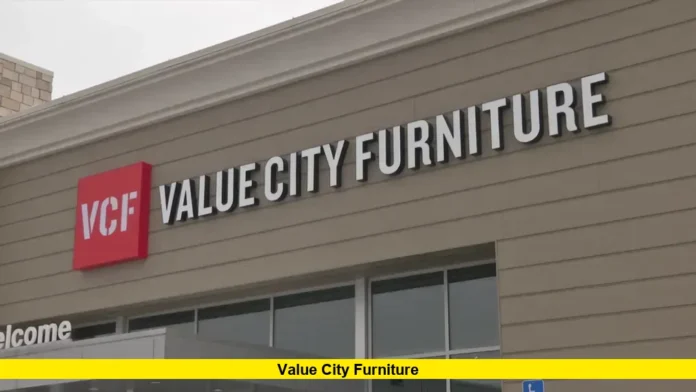

Value City Furniture is undergoing one of the most significant transformations in its long history as its parent company moves through a formal Chapter 11 restructuring that includes dozens of store closures, major financial adjustments, and a shake-up in its national footprint. The furniture chain, known for its accessible prices and broad selection, remains open for shoppers, but the restructuring underway marks a dramatic turning point for the brand and the communities it serves.
A Major Retailer Enters Bankruptcy During a Challenging Market
The decision to enter Chapter 11 followed a period of steady financial pressure. The company’s leadership faced declining revenue, increased operating costs, and a nationwide slowdown in large-ticket spending. The parent company’s filing confirmed a plan to shutter about one-quarter of its stores. This is one of the most substantial downsizing efforts in the company’s modern era.
Even with these closures, many stores remain open, continuing to serve customers, offer delivery, and move inventory. Leadership stated that operations would continue while the restructuring advances. The company’s goal is to stabilize its financial position, reduce its debt obligations, and position the remaining stores for long-term sustainability.
The National Footprint Undergoes a Major Adjustment
For decades, the company expanded across the Midwest, South, Mid-Atlantic, and Northeast. It built a strong regional presence anchored by large-format furniture stores and robust warehouse operations. The current restructuring represents a reset of that footprint.
The plan includes closing approximately 33 stores, leaving the remainder of its more than 120 U.S. locations operating. These closures will take place in phases, with some stores already launching liquidation sales and others awaiting final decisions. Each closing location has its own timeline based on inventory levels, staffing, and lease terms.
The company’s restructuring plan also streamlines business operations. Warehousing, delivery services, and inventory processes will consolidate as the company reduces its retail footprint. These steps are intended to support the remaining stores and help restore financial stability.
Financial Realities Driving the Restructuring
The shift in the company’s financial status did not happen suddenly. Over two years, the retailer experienced a decline in annual revenue, falling from more than a billion dollars to the mid-hundreds of millions. Losses mounted as inflation affected materials, transportation costs rose, labor expenses increased, and consumer demand for home furnishings weakened.
The retailer faced significant debt obligations as well. Its restructuring included obtaining new financing designed to support operations during the Chapter 11 process. These funds allow the company to maintain payroll, restock stores, fulfill customer orders, and keep showrooms open while it undergoes the legal and financial steps required in bankruptcy.
Another critical component of the plan is a proposed asset sale. A baseline bid is already in place, and an auction process will determine the future ownership of the company’s assets. This sale is expected to influence decisions regarding long-term operations, staffing, and store retention.
Why Customers Are Feeling the Impact
Shoppers of the brand began noticing changes even before the official filing. Several stores quietly started marking down inventory and moving toward early liquidation as sales slowed. After the filing, these actions intensified, with closing stores offering increasing discounts and working to sell down their floor models, warehouse stock, and packaged merchandise.
For customers in regions affected by closures, the most visible impacts include:
- Liquidation signs and discounts
- Reduced inventory variety
- Shortened return windows
- Limited availability of replacement items
- High demand for delivery slots
Many stores that remain open are experiencing increased traffic as customers seek deals or attempt to secure items before inventories shift.
Return Policies and Order Fulfillment
A major focus for customers has been return policies and the status of existing orders. Throughout the restructuring, the company has emphasized its intention to fulfill orders placed before and after the filing. In closing stores, return policies may tighten as locations move into their final phases of liquidation.
Delivery timelines may vary depending on warehouse consolidation and regional staffing adjustments. Customers with pending orders or warranty questions are encouraged to stay in direct contact with their local store to receive the latest updates.
Impact on Employees and Regional Communities
The restructuring significantly impacts workers across the company’s network. With store closures come workforce reductions, and some regions have already seen layoffs or reductions in hours. Employees at closing stores are responsible for managing liquidation events, helping customers with final transactions, and preparing remaining inventory for shipment or removal.
For communities where these stores operated for decades, closures mean job losses and the disappearance of a well-known regional retailer. The company has been part of the commercial landscape in many suburban and urban areas, and its downsizing will leave gaps in local shopping options.
Some regions may see competitors attempt to absorb demand, while others will experience a noticeable reduction in furniture retail capacity.
Why This Bankruptcy Reflects Broader Retail Trends
The restructuring of this retailer comes at a time when the furniture sector faces widespread challenges. After a surge in home-related spending earlier in the decade, demand has leveled off sharply. Consumers are more cautious with discretionary purchases, interest rates remain elevated, and the housing market has slowed.
Retailers selling large-ticket items often rely on robust home sales, frequent moves, and a healthy housing cycle. With fewer households buying homes and less movement in the market, demand for new furniture has declined. Additionally, online competitors continue gaining market share, offering lower overhead costs and rapid delivery.
The challenges faced by brick-and-mortar furniture stores include:
- Decreased foot traffic
- Higher operating costs
- Increased competition online
- Long-term shifts in buying habits
- Regional economic differences
The bankruptcy of this retailer signals how these pressures can affect long-established companies with large store footprints.
The Customer Experience Moving Forward
Despite the restructuring, the company remains committed to maintaining a stable customer experience in its operating stores. Many locations continue to offer sales, promotions, and new merchandise, especially during peak shopping periods. For shoppers, the biggest difference will be the changing availability of certain items, adjustments to delivery routes, and potential modifications to service processes.
Customers looking to take advantage of liquidation sales should plan for high demand and fast-moving inventory. Clearance events draw significant interest, and popular items often sell quickly. Many locations also see increased foot traffic from shoppers seeking discounts or trying to secure last-minute purchases before stores close permanently.
How the Restructuring Could Shape the Brand’s Future
The outcome of the asset sale and restructuring process will determine the future direction of the brand. Leadership aims to emerge from bankruptcy with a stronger financial foundation, a more efficient footprint, and renewed focus on customer service.
If the restructuring proceeds smoothly, the brand may stabilize and continue operating its remaining locations. The company’s long-term strategy may include modernizing stores, refining inventory selection, enhancing online shopping options, and improving delivery and warehouse efficiencies.
On the other hand, additional closures remain possible depending on the outcomes of the auction, negotiations with creditors, and the performance of stores in the months ahead.
Regardless of the final structure, the brand remains active, visible, and accessible to shoppers today—something the company emphasizes as it works through the next phases of its transition.
What This Means for the Industry
The retailer’s restructuring highlights broader shifts in the American retail landscape. Many mid-sized and large regional chains are balancing high operational expenses against evolving consumer expectations. Retailers with large physical footprints face challenges when managing overhead costs during periods of slow demand.
The company’s bankruptcy may serve as a signal for other retailers to examine inventory strategies, adapt store formats, strengthen e-commerce operations, and diversify revenue streams. It also underscores the need for agility in a market where economic conditions can change rapidly.
A Company Redefining Its Place in the Market
As the restructuring continues, the brand is positioning itself for the next chapter. The company’s goal is to retain a strong presence in key markets, provide value-driven home furnishings, and rebuild financial stability. For customers, this means familiar stores remain open, promotions continue, and the chain remains committed to serving shoppers even as the corporate structure evolves.
At the same time, significant change is underway. Store closures, evolving policies, and operational shifts will continue shaping the customer experience. In the months ahead, clarity will grow as the company completes its auction process, adjusts its footprint, and outlines the future of the brand.
If you’ve recently visited a closing store, found deals during liquidation, or experienced changes in your local location, share your thoughts below and stay connected for more updates.