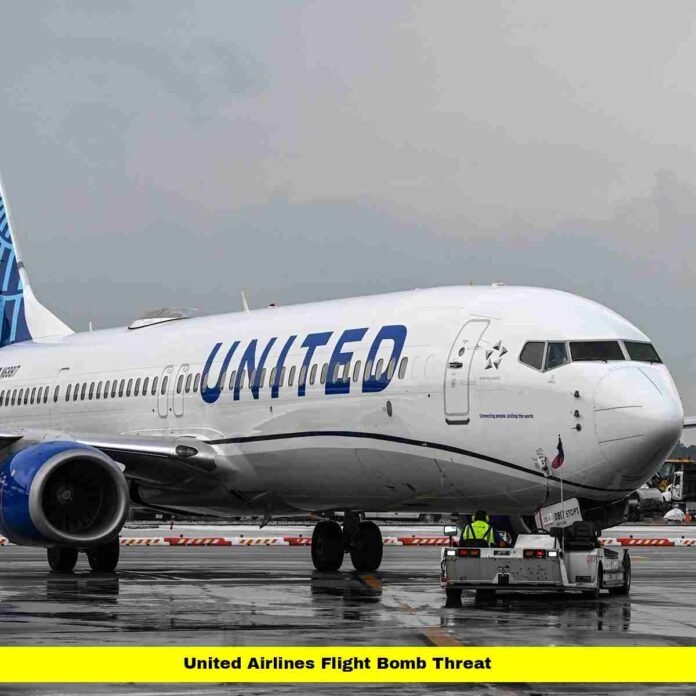

A united airlines flight bomb threat on November 16, 2025, led to an in-flight emergency landing in St. Louis after a passenger claimed there was a bomb in his wife’s luggage.
Bomb Scare Forces Diversion
United Airlines Flight 380, en route from Dallas–Fort Worth to Chicago, diverted to St. Louis Lambert International Airport around 8:39 a.m. local time after the threat was made less than an hour into the flight. The aircraft, a Boeing 737-700, carried 119 passengers and 5 crew. Authorities evacuated the plane, and bomb-squad teams along with K-9 units conducted a search. the plane was declared safe after a thorough sweep, and no explosive device was found.
Threat Description
According to reports, a male passenger claimed that his wife’s checked baggage contained a bomb. The passenger was arrested on arrival in St. Louis. During the inspection, law enforcement and bomb-unit personnel searched both the cabin and the luggage compartment. The claim turned out to be false, with no explosives discovered.
Passenger Handling and Aftermath
After landing, all passengers were escorted off the aircraft and safely moved to a secured area within the terminal. Local law enforcement kept them in the concourse while the security teams carried out their checks. Once authorities cleared the aircraft, United rebooked or resumed the flight. According to flight-tracking data, the plane eventually took off again and landed in Chicago later that afternoon.
Security Protocols at Play
The decision to divert was made promptly and in line with standard aviation safety practices. When a credible-sounding threat emerges, pilots may declare an emergency and land at the nearest suitable location. In this case, the priority was to ensure the safety of passengers and crew by enabling a full security sweep by law enforcement.
At the airport, bomb squads used trained dogs and special detection teams to inspect the aircraft’s interior and baggage compartments. It took more than two hours for the plane to be cleared. Only after local authorities gave the all-clear did United allow passengers to continue their journey.
Wider Context: Recent Threats at U.S. Airports
This incident comes amid a backdrop of similar security scares involving United Airlines. On November 4, 2025, a United flight from Houston to Washington, D.C. was grounded at Ronald Reagan National Airport after a reported bomb threat. Authorities evacuated the aircraft, and after a full inspection, no hazards were found. That event led to a temporary ground stop at the airport.
These developments have added pressure on airline security teams, especially as passengers and regulators demand swift but careful responses to potential threats.
Legal Risks and Consequences
Making a bomb threat—whether true or false—carries serious legal consequences. False threats that disrupt airline operations can lead to federal charges, fines, and even imprisonment. Authorities assessing this incident will examine the suspect’s motives and determine appropriate charges based on intent and impact.
Impact on Travelers
Passengers on Flight 380 experienced delays, disruption, and anxiety. United’s response included coordinating with local law enforcement and providing assistance to stranded travelers. Such emergencies often lead to rebooking support, though they can still cause logistical headaches for affected flyers.
The ripple effect of such diversions also affects airline schedules. Ground handling teams, crew logistics, and aircraft rotation all shift when a flight is forced off course.
What’s Next in the Investigation
Law enforcement officials will continue probing the case, particularly the motive behind the bomb claim. Authorities may review interviews, security footage, and passenger statements. United Airlines will likely cooperate fully, while working with investigators to support the affected passengers and manage any legal fallout.
Why This Incident Matters
The united airlines flight bomb threat underlines how airlines must take even vague or strange-sounding claims seriously. What may seem like a hoax can trigger major security operations, and that level of caution is needed to protect everyone on board. For travelers, it’s a reminder that airline safety systems include both human judgment and technical backup — and that the costs of disruption are deeply real.
Closing Thought:
If you were on board Flight 380 or felt the ripple effects of this diversion, you’re not alone — share your thoughts below, and let’s keep watching how this story unfolds.