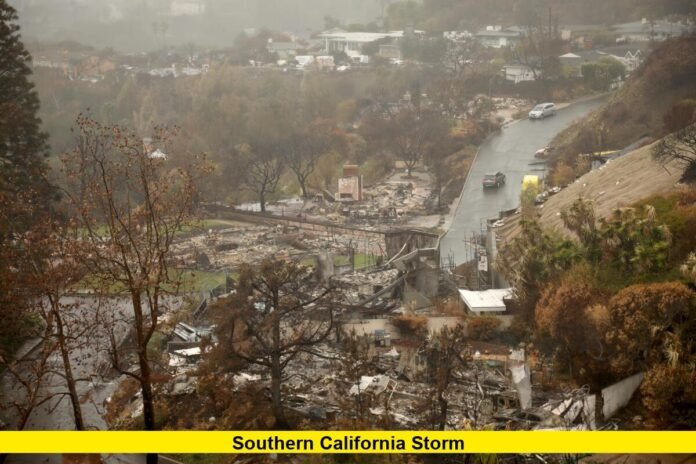

A formidable Southern California storm is sweeping into the region this weekend, triggering evacuation warnings across key burn-scar and hillside communities. With heavy rainfall, debris-flow risks and flash flooding looming, local authorities are urging residents to stay alert and ready to move at a moment’s notice.
Latest Situation & Warnings
Emergency officials have issued evacuation warnings for a number of vulnerable burn zones in Los Angeles County—areas such as Canyon, Bethany, Eaton, Palisades, Hurst, Kenneth, Sunset, Lidia, Franklin and Bridge are now included. These warnings indicate residents should prepare to evacuate, even if an order has not yet been given.
In Ventura County, similar alerts span regions impacted by earlier fires, including the Mountain Fire scar, Matilija Canyon, Camino Cielo and the North Fork area.
Forecasts indicate the storm could deposit 2-6 inches of rain in some regions, with isolated higher amounts possible. Because many slopes have lost vegetation due to wildfires, the threat of rapid debris flows and mudslides is elevated.
Local emergency services have pre-positioned response teams, monitoring hillside roads, drainage channels and burn-scar slopes. Road closures in narrow canyon areas are already being prepared in advance.
Areas at Greatest Risk
| County | At-Risk Zones | Dominant Hazard |
|---|---|---|
| Los Angeles | Burn scars around Palisades, Eaton, Canyon, Kenneth, etc. | Debris flows, flash runoff, unstable slopes |
| Ventura | Mountain Fire area + Matilija Canyon + Camino Cielo + North Fork | Steep-slope failure, rapid runoff, canyon floods |
Residents in these high-risk zones should treat the warnings seriously and review evacuation routes now.
Storm Timeline & Rainfall Outlook
The storm system arrived late Friday, beginning with lighter rainfall and coastal precipitation. The main pulse is expected between Friday night into Saturday, with the heaviest rainfall likely during Saturday afternoon into evening.
Key points:
- Rainfall will not fall evenly; heavier bursts in short periods increase the risk of slope failure.
- Burn-scar regions are especially vulnerable because soil is hydrophobic and cannot absorb water well—resulting in rapid sheet flow and debris movement rather than gradual seepage.
- Roadways winding through canyons may face closures due to rockfall, mudslides or flooding of stream channels.
- Officials have indicated evacuation warnings will remain in effect through Sunday morning in many affected zones.
Why This Storm Is Particularly Dangerous for Southern California
A number of factors combine to make this system more hazardous than a typical rain event:
- Fire-scarred terrain: Hillslopes stripped of vegetation cannot hold soil effectively. When heavy rain hits, debris flows can move fast and unexpectedly.
- Steep canyon geography: Narrow drainage channels funnel water and mud with little room to slow down. Residents near canyon mouths are at elevated risk.
- Heavy, episodic rainfall: Forecasts suggest rainfall rates high enough to trigger debris flow thresholds rather than gradual accumulation.
- Burn-scar runoff dynamics: After wildfires, soils can become water-repellent. Rain tends to run off rather than soak in, increasing sudden-flow hazards.
- Short warning windows: Once intense rainfall begins, community response time is reduced. That’s why evacuation warnings now are so vital.
What Residents Should Do Right Now
If you live in or near a burn-scar or canyon zone in Southern California, follow these guidelines:
- Stay alert: Sign up for your county’s emergency alerts and regularly monitor updates from local authorities.
- Know your evacuation route: Plan where you would go and how you’d leave. Identify multiple exits if possible.
- Avoid risky areas: Do not drive or walk through flooded roads, narrow canyons or dry creek beds. Even shallow running water can hide debris or slope failure.
- Move cars and valuables: Park vehicles away from steep slopes or dry channels. Bring loose outdoor items inside. Elevate valuables if located on lower floors.
- Prepare an emergency bag: Keep essentials (medications, important documents, phone chargers, water) ready in case evacuation is called.
- Do not wait for the order: A warning means you should be ready to go; once an order comes, departure should be immediate.
- Avoid social media rumors: Rely on official channels. The situation can evolve quickly and preliminary forecasts may change.
Community Response & Infrastructure Measures
Authorities have mobilised multiple departments: fire, public works, flood control and emergency management. They are actively surveying steep slopes and reinforcing high-risk zones where possible. Drainage systems, culverts, and debris basins (especially beneath burn scars) have been cleared where feasible.
Meanwhile, local road agencies are readying closures of canyon roads if water or debris starts accumulating. Residents nearby are being advised to stay indoors during peak rainfall and avoid travel unless absolutely necessary. Emergency personnel stress that the first heavy downpours, not just the total rainfall, carry the greatest risk in burn-scar regions.
What Happens If Evacuation Orders Are Issued
If a mandatory evacuation is declared:
- Leave immediately. Delay increases risk of being caught in debris flow or flood.
- Bring your emergency bag and keep vehicles ready to go.
- Follow the route designated by local officials—higher ground is safer than staying in a canyon.
- Do not attempt to return until authorities have declared the area safe.
- If you cannot evacuate, shelter in place in the highest part of your structure (preferably above ground level) and keep away from canyon walls or drainage paths.
Remember: evacuating is the safer choice when warned. Burn-scar zones can fail with little notice.
Expected Impacts & Public Safety Concerns
Here are some of the major risks and expected impacts:
- Debris flows: Fast-moving slurries of mud, rock and water can sweep downhill along old fire scars.
- Flash flooding: Canyons may channel heavy runoff; low-lying roads can flood quickly.
- Rock and slope failures: Loose soil, charred roots and steep angles increase collapse risk.
- Road and bridge closures: Travel in affected zones may be restricted; alternate routes should be identified ahead of time.
- Power and utility interruptions: Heavy rain and falling debris may damage electrical infrastructure and communication lines.
- Evacuations and sheltering: Some communities may already be under mandatory evacuation orders as the storm progresses.
Given these hazards, the warnings in place across Southern California should be taken seriously and followed proactively.
Keeping Informed During the Storm
To stay on top of updates related to the Southern California storm:
- Tune into your county’s emergency radio or alert system.
- Monitor local weather-service bulletins for flood and debris-flow warnings.
- Follow any shelter-in-place or evacuation instructions from authorities.
- Avoid travel in hillside or canyon zones while the storm is active.
- Let friends and family know your status and location if you evacuate.
Being well-informed can dramatically increase your safety during such an event.
Closing Thoughts
This storm poses serious risks for communities in and around burn-scar regions across Southern California. Evacuation warnings are already in place because local terrain and recent fire history elevate the danger. With rainfall set to intensify and runoff conditions primed for rapid change, prompt response and readiness can save lives. If you live in a zone affected by the warnings, now is the time to act.
We’d love to hear from you — share your views or local observations below, and stay tuned for what develops with the Southern California storm.