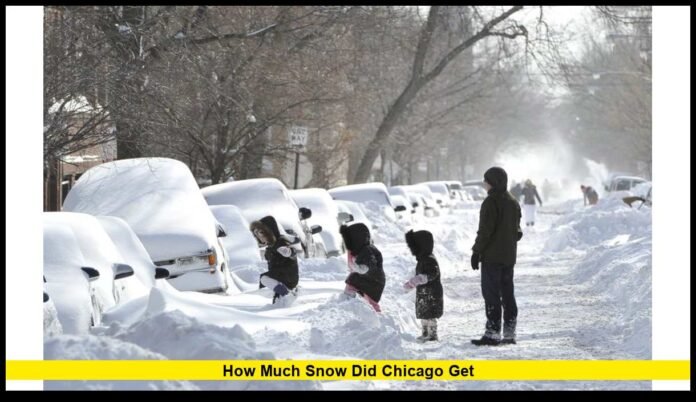

Snow is moving into the Chicago area, but as of Monday, November 10, 2025, official measurements show limited accumulation in the city proper. While a winter-storm warning has been issued and forecasts suggest heavy lake-effect snow, the current verified snow total for Chicago remains minimal.
Recent Snowfall Update
The National Weather Service has issued a Winter Storm Warning for the Chicago region through Monday as heavy lake-effect snow is expected. Meteorologists forecast up to 18 inches of snow for areas surrounding Chicago and parts of northeast Illinois, with possibly higher amounts near the lakeshore.
As of this morning, measurable accumulation at Chicago’s official sites, including O’Hare International Airport, has not yet reached significant levels. Recent reports list only light snow, but forecasters warn that totals may rise rapidly as the storm strengthens overnight into Monday.
The storm is expected to intensify, especially along the western and southern sides of Lake Michigan, where colder air and strong winds could drive heavier accumulation.
What the Numbers Mean
Here’s a quick look at snowfall and what’s expected:
| Location | Verified Snow So Far | Forecast Accumulation |
|---|---|---|
| Chicago city proper | Minimal measurable snow | Light-to-moderate amounts possible |
| Chicago suburbs / lakeshore | Slightly higher | Up to 18 inches or more |
| Northwest Indiana / Great Lakes | Heaviest expected totals | Up to 24 inches in some areas |
The answer to the question “how much snow did Chicago get” right now is very little so far, but with conditions primed for heavier snow later today and tonight.
Why the Forecast Is So High
This storm system is being driven by several key weather factors:
- Low-pressure system: A strong low pressure is moving across the Great Lakes, funneling moisture directly into northern Illinois.
- Cold air mass: A rush of Arctic air behind the system is triggering unstable conditions that favor “lake-effect” snow.
- Wind gusts: Winds of 30–40 mph are expected, reducing visibility and creating blowing snow across open areas.
- Temperature drop: Temperatures are expected to fall into the upper 20s overnight, allowing snow to accumulate quickly once the heaviest bands set up.
These combined factors are typical for early-season storms that produce fast-changing snowfall totals across the Chicago metro area.
What This Means for Chicago Residents
Even though the city’s current total is low, the warning remains in place because conditions can change fast. Residents should be prepared for:
- Rapid accumulation: Once the lake-effect bands set in, snow totals can rise by several inches per hour.
- Difficult travel: Blowing and drifting snow could make roads hazardous, especially near Lake Shore Drive and major suburban routes.
- Transit delays: Expect potential delays or cancellations on Metra and CTA routes if the snow intensifies during peak commute hours.
- Airport impacts: O’Hare and Midway may experience flight delays as visibility decreases.
City officials have pre-positioned salt trucks and snowplows in anticipation of a heavier burst of snow overnight. Commuters are advised to check travel conditions before heading out Monday morning.
Historical Context
Chicago is no stranger to powerful November snow events. Historically, early winter storms have produced dramatic swings in totals across the metro area:
- Average annual snowfall: About 38 inches per season.
- Record early November snow: In 2019, parts of the city saw over 8 inches during the first week of November.
- Recent seasons: The winter of 2024-25 brought only around 12 inches total, far below average.
This week’s system could mark the first major storm of the 2025-26 winter season, potentially reversing last year’s below-normal pattern.
Outlook for the Rest of the Week
Forecasters expect snow showers to taper off late Monday night, with lingering flurries possible into Tuesday morning. Afterward, Chicago should see clearer skies but continued cold temperatures, with highs only in the mid-30s and lows in the 20s.
If accumulation meets the higher forecast range, the city could experience one of its snowiest November starts in recent years. However, totals will vary widely depending on where the heaviest lake-effect bands set up.
Key Takeaway
When asking “how much snow did Chicago get,” the most accurate answer for now is very little at this point, but that number is expected to climb as lake-effect snow develops through the day and into Monday night.
Stay alert for weather updates and travel advisories, as the situation is evolving quickly and conditions could deteriorate with little notice.
Stay safe, stay warm, and share your local snow totals or weather experiences in the comments below!