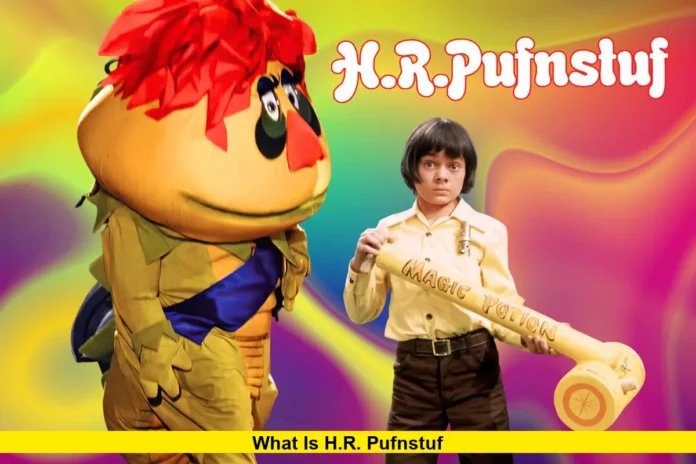

If you’ve ever wondered what is H.R. Pufnstuf, it’s more than just a colorful name from the past — it’s one of the most imaginative and influential children’s television shows ever created. First airing in 1969, the show became a defining piece of pop culture that still resonates with generations of fans today. As of 2025, the legacy of H.R. Pufnstuf continues to endure through nostalgic revivals, fan conventions, and its lasting influence on family entertainment.
The Beginning of H.R. Pufnstuf
H.R. Pufnstuf debuted on NBC on September 6, 1969, and ran through December 27, 1969, with reruns continuing into the early 1970s. The show was created by Sid and Marty Krofft, two visionary brothers who became icons in children’s entertainment.
The series followed Jimmy, a young boy played by Jack Wild, who finds himself stranded on Living Island — a magical land where everything is alive, from trees and houses to the very sky. Jimmy is saved by H.R. Pufnstuf, a friendly, talking dragon who serves as the island’s mayor. Together, they must outsmart the show’s villain, Witchiepoo, a wicked yet comically endearing witch who wants to steal Jimmy’s magical talking flute, Freddie.
The Story and Setting
At its core, H.R. Pufnstuf is about good versus evil, kindness, and friendship — told through a fantastical lens. Each episode centers on Witchiepoo’s elaborate, often ridiculous attempts to capture Freddie the Flute, while Jimmy and Pufnstuf work together to stop her plans.
The setting, Living Island, was a visual masterpiece for its time. Everything on the island was vibrant, exaggerated, and alive. The design blended puppetry, elaborate costumes, and hand-built sets in a way that felt magical to children of the 1960s and 1970s.
Main Characters
- H.R. Pufnstuf – The mayor of Living Island, a lovable dragon with a kind heart and a Southern accent.
- Jimmy – The show’s human protagonist, portrayed by Jack Wild.
- Freddie the Flute – A golden, talking flute with a face, personality, and voice of its own.
- Witchiepoo – The mischievous, loud, and memorable villain played by Billie Hayes.
- Kling and Klang – Witchiepoo’s bumbling sidekicks who often mess up her plans.
Each character added to the show’s charm, mixing humor, music, and adventure to capture the imagination of young audiences.
The Unique Visual and Musical Style
One of the biggest reasons H.R. Pufnstuf stood out was its psychedelic, dreamlike design. The bright costumes, oversized puppets, and surreal landscapes mirrored the era’s experimental artistic style. Despite adult jokes about its “trippy” look, the creators maintained that the show was purely intended for children — designed to engage their imaginations through vibrant visuals and fantastical storytelling.
The theme song became an instant classic, opening each episode with the memorable lyrics:
“H.R. Pufnstuf, who’s your friend when things get rough?
H.R. Pufnstuf, can’t do a little, ‘cause he can’t do enough.”
The catchy tune perfectly captured the show’s upbeat, adventurous spirit.
Behind the Scenes and Impact
Sid and Marty Krofft were pioneers of creative children’s programming. They combined puppetry, costume design, and fantasy to produce shows unlike anything else on television at the time. H.R. Pufnstuf was their first major success, paving the way for later hits like The Bugaloos, Sigmund and the Sea Monsters, and Land of the Lost.
The show also broke ground in production quality. Each episode was expensive to make — with large-scale sets, full-body character suits, and original music production. Even though it lasted only one season, the show’s design, storytelling, and characters made it an instant cult favorite.
The 1970 Feature Film
Following the success of the TV show, a full-length feature film titled “Pufnstuf” was released in 1970. The movie expanded on the original story, bringing Jimmy, Witchiepoo, and Pufnstuf to the big screen with enhanced sets and musical numbers. The film helped solidify the show’s legacy and introduced new audiences to the magical world of Living Island.
Cultural Legacy and Modern Relevance
Over 50 years later, H.R. Pufnstuf remains a symbol of creativity and childhood wonder. It influenced numerous generations of artists, writers, and television creators. Elements of its design and humor can be seen in later productions like Pee-wee’s Playhouse, Barney & Friends, and even modern kids’ programming that relies on surreal, larger-than-life settings.
Here’s how H.R. Pufnstuf continues to live on:
- Home Media Releases: The complete series is available on DVD and digital platforms for collectors and new viewers.
- Fan Conventions: Classic TV conventions frequently feature panels and memorabilia from the show.
- Crossovers: In 2016, H.R. Pufnstuf appeared in a special crossover episode of Mutt & Stuff, connecting the classic show to a new generation.
- Tributes: The passing of Marty Krofft in 2023 brought renewed attention to the show’s lasting legacy and its impact on children’s entertainment.
Key Facts About H.R. Pufnstuf
| Aspect | Details |
|---|---|
| Original Air Dates | September 6 – December 27, 1969 |
| Number of Episodes | 17 |
| Creators | Sid and Marty Krofft |
| Network | NBC |
| Genre | Children’s fantasy/adventure |
| Main Cast | Jack Wild (Jimmy), Billie Hayes (Witchiepoo), Lennie Weinrib (Pufnstuf’s voice) |
| Notable Feature | “Pufnstuf” (1970 film) |
| Notable Recognition | Cult classic; ranked among top nostalgic kids’ shows |
Why It Still Matters Today
Understanding what is H.R. Pufnstuf isn’t just about looking back — it’s about recognizing how the show helped shape the world of children’s entertainment. It was among the first to combine live actors, puppetry, and fantasy storytelling into a cohesive, colorful world that captivated young minds.
For American audiences, H.R. Pufnstuf remains a nostalgic symbol of the late 1960s — an era of imagination, musical creativity, and storytelling experimentation. It wasn’t just a kids’ show; it was a cultural moment that continues to inspire those who grew up watching it and those discovering it anew.
Even in 2025, H.R. Pufnstuf continues to remind audiences of the magic that happens when creativity and imagination collide — a timeless reminder that childhood wonder never truly fades.