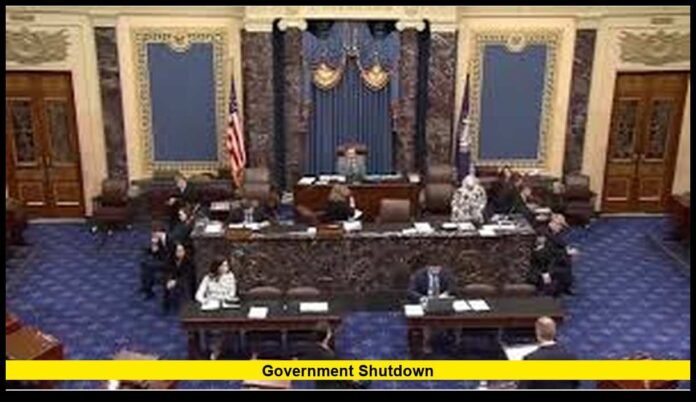

The government shutdown has now entered its 40th day, marking one of the longest federal funding lapses in modern U.S. history. With no clear end in sight, millions of Americans are feeling the impact — from furloughed federal employees to delayed public services and flight disruptions. Congressional negotiations remain deadlocked, intensifying frustration nationwide.
What Triggered the Government Shutdown
The shutdown began on October 1, 2025, after Congress failed to pass a continuing resolution to fund the government for the new fiscal year. The disagreement centers on health care subsidies that were previously extended under the Inflation Reduction Act.
Democrats have pushed for those subsidies to be renewed as part of any short-term funding deal, arguing that millions of Americans could lose affordable coverage without them. House Republicans, led by Speaker Mike Johnson, have resisted including the measure, insisting on separate negotiations for healthcare policy.
After multiple failed votes and continuing disagreements between the House and Senate, the federal budget process broke down, leading to a full government shutdown.
Who Is Being Affected
The effects of the shutdown have spread widely across the country, affecting multiple sectors and millions of people.
- Federal employees: Around 900,000 federal workers have been furloughed, while others deemed essential continue to work without pay.
- Government services: Agencies such as the Centers for Disease Control and Prevention (CDC) and the National Institutes of Health (NIH) have scaled back operations, delaying research projects and public health programs.
- Social programs: Nutrition assistance under the Supplemental Nutrition Assistance Program (SNAP) has been disrupted, leaving millions uncertain about their benefits for the coming weeks.
- Public spaces: National parks and museums are either closed or operating with limited staff, impacting tourism and local economies.
- Small businesses: Federal contract delays have left thousands of small business owners struggling to maintain cash flow.
The shutdown’s effects are no longer confined to Washington — they are rippling through communities nationwide.
Major Impacts and Consequences
Travel and Transportation
Air travel is among the hardest-hit sectors. The Federal Aviation Administration (FAA) has been forced to scale back operations as unpaid air traffic controllers call in sick or resign. More than 2,000 flights were canceled in the past week, while thousands more faced significant delays.
Transportation Secretary Sean Duffy has warned that the situation could worsen as the holiday travel season approaches. Without a funding agreement, air traffic could slow dramatically, potentially leading to chaos during Thanksgiving travel.
Economic Ripple Effects
The prolonged shutdown is starting to weigh on the economy. Economists estimate that each week of closure shaves off billions of dollars in productivity and growth. Federal contractors are losing revenue, and local economies near government facilities are feeling the strain as spending declines.
Consumer confidence is slipping as workers miss paychecks and benefit payments slow down. If the shutdown continues into December, analysts predict a noticeable hit to holiday retail sales — a blow to an already cautious economy.
Political Fallout
Public frustration is mounting. Polling shows that a majority of Americans blame Congress for the shutdown, with little patience left for partisan gridlock. Both major parties are facing scrutiny: Democrats for holding firm on healthcare funding, and Republicans for refusing to compromise on the issue within the budget framework.
The standoff has also reshaped the political narrative heading into next year’s elections. Budget discipline, healthcare access, and government accountability are now top voter concerns, potentially influencing the 2026 midterm races.
Where Negotiations Stand Now
The Senate has held a series of late-night sessions to discuss possible funding solutions. A proposal currently under debate would include a short-term continuing resolution through January 2026, combined with full-year funding for key departments such as Defense, Agriculture, and Veterans Affairs.
However, Democrats remain steadfast in their demand that the bill extend healthcare subsidies. Republicans argue that reopening the government should take precedence and that healthcare negotiations can follow later.
Despite growing pressure from the public and the business community, the two sides have yet to find common ground. As of this week, neither the House nor the Senate has scheduled a final vote on a compromise bill.
Shutdown Timeline
| Date | Event |
|---|---|
| October 1, 2025 | Federal funding expired; shutdown began. |
| October 15, 2025 | First Senate attempt to pass a continuing resolution failed. |
| November 1, 2025 | Federal workers missed their first full paycheck. |
| November 9, 2025 | Shutdown reached day 40; Senate leaders resumed weekend talks. |
| November 10, 2025 | Negotiations continue; flight cancellations and public frustration mount. |
What’s Ahead and What to Watch
Several key developments will determine how long the shutdown lasts and how severe its effects become:
- Senate vote outcome: A breakthrough could come if a bipartisan group manages to push a compromise resolution to the floor.
- Healthcare subsidy decision: Whether the subsidies are included or deferred could determine the fate of any funding bill.
- Holiday travel season: Mounting disruptions could push lawmakers toward faster action.
- Federal workforce strain: Extended unpaid work may drive resignations and long-term staffing shortages.
- Economic momentum: Prolonged government closure risks dragging down GDP growth for the fourth quarter.
The clock is ticking. Each passing day raises the stakes for millions of Americans — and for Congress itself.
Public Reaction and Sentiment
Across the country, frustration is spilling onto social media and into public rallies. Federal employees are sharing stories of financial hardship, while citizens are venting about delayed passports, stalled tax refunds, and canceled park visits.
Businesses reliant on federal permits or contracts are calling for immediate action, warning that continued inaction could result in layoffs. Public patience is wearing thin, and the pressure on lawmakers is mounting from all sides.
Conclusion
As the government shutdown stretches deeper into November, the urgency for resolution grows stronger by the day. The standoff has paralyzed vital services, shaken the economy, and tested public faith in Washington’s ability to govern.
Americans everywhere are waiting for one thing — leadership that puts the country’s stability above political brinkmanship. What do you think Congress should do next? Share your thoughts below and stay tuned for further updates.