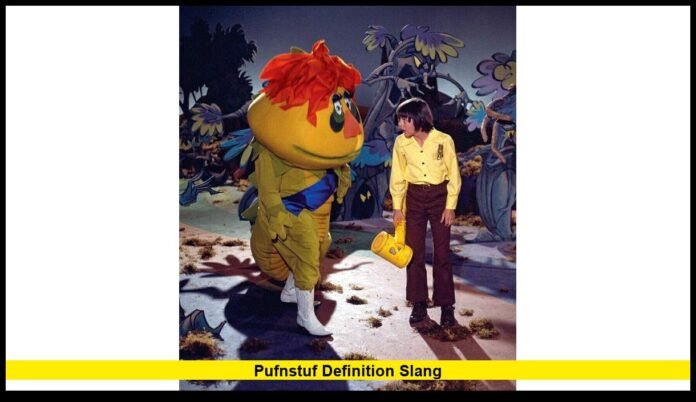

The phrase pufnstuf definition slang has resurfaced as one of the most intriguing topics in classic television and pop culture history. More than 50 years after the debut of H.R. Pufnstuf, people still debate what the name really means — and whether it ever had a secret slang connotation.
In 2025, nostalgia for 1960s and 1970s media is stronger than ever. Vintage television shows, retro fashion, and psychedelic art are making a comeback on social media and streaming platforms. Among them, H.R. Pufnstuf stands out not just for its surreal design but for the mystery surrounding its name.
So, what is the pufnstuf definition slang that keeps fans talking after all these years? Let’s explore its origins, rumored meanings, and real cultural significance.
The Origin of “Pufnstuf”: A 1960s Television Classic
The word “Pufnstuf” first appeared in the title of the 1969 children’s television show H.R. Pufnstuf, created by Sid and Marty Krofft. The series premiered on NBC and became an instant sensation for its colorful characters, musical numbers, and fantastical setting.
The show followed the adventures of Jimmy, a young boy stranded on “Living Island,” a magical land filled with talking trees, singing mushrooms, and whimsical creatures. His closest ally was H.R. Pufnstuf, a friendly, dragon-like mayor who helped protect Jimmy from the mischievous witch Witchiepoo and her bumbling minions.
Though it lasted only one season (17 episodes), H.R. Pufnstuf became a cult phenomenon that shaped children’s television for decades. Its hand-built sets, puppetry, and creativity stood apart from everything else on TV — and its mysterious title added to the intrigue.
Breaking Down the Meaning: What Does “Pufnstuf” Really Mean?
To understand the pufnstuf definition slang, we first have to look at how the word itself was constructed.
Sid and Marty Krofft designed “Pufnstuf” to sound magical, musical, and memorable — much like the character it represented. The name combines playful nonsense syllables with imagery tied to the dragon’s abilities:
- “H.R.” — Often said to stand for “Hand Rolled”, referencing the handcrafted puppet used to bring the character to life. Some also interpret it as “His Royal”, highlighting the character’s mayoral status on Living Island.
- “Pufn” (or “Puffing”) — A nod to the dragon’s smoke-blowing ability — after all, Pufnstuf was a fire-breathing creature.
- “Stuf” (Stuff) — A lighthearted, informal word that gives the name a casual, fun tone.
Put together, “Pufnstuf” means something like “the friendly dragon who puffs stuff.” It’s playful and descriptive, exactly the kind of name that children’s television thrived on in the 1960s.
But as the show grew popular among adults as well, many began asking whether “Pufnstuf” meant something else entirely.
The Slang Connection: Was “Pufnstuf” a Drug Reference?
The most persistent rumor about the pufnstuf definition slang is that it secretly referenced marijuana use.
Fans of the show — particularly those who grew up in the counterculture movement of the late 1960s — noticed that “Pufnstuf” sounded a lot like “puffin’ stuff,” slang for smoking weed. This interpretation was fueled by the show’s bright, psychedelic visuals, surreal landscapes, and unusual characters.
At the time, the U.S. was deep in the era of hippies, psychedelic rock, and social rebellion, so it wasn’t far-fetched for viewers to think H.R. Pufnstuf was a wink at drug culture.
The supposed “clues” often cited by fans include:
- The word “pufn” sounding like “puffin’.”
- The show’s kaleidoscopic set designs and swirling colors.
- Characters that seemed straight out of a psychedelic dream.
However, Sid and Marty Krofft have repeatedly denied any hidden drug meanings. They’ve explained that the show was entirely designed for children and that any adult interpretations were purely coincidental.
Marty Krofft famously laughed off the rumors, saying, “If we were that clever, we’d have trademarked it and retired decades ago.”
In reality, the Kroffts were simply inspired by the creative art and music of their time. The 1960s aesthetic was naturally colorful, whimsical, and imaginative — and that energy made its way into H.R. Pufnstuf.
Why the Slang Rumor Stuck Around
Despite the creators’ denials, the slang theory surrounding “Pufnstuf” refuses to fade away. There are a few reasons why it became so deeply rooted in pop culture:
- Timing: The show debuted in 1969, at the height of the counterculture movement, when drug references in art and music were common.
- Visual Style: The show’s vibrant, surreal imagery mirrored the psychedelic art popular among the youth of the era.
- Wordplay: The name “Pufnstuf” naturally sounded like “puffin’ stuff,” a phrase already used in 1960s slang.
- Adult Audiences: As the original child viewers grew older, they reinterpreted the show through the lens of nostalgia — and humor.
By the 1970s and 1980s, comedians, musicians, and television hosts were jokingly referencing H.R. Pufnstuf as “the stoner kids’ show.” While this was never the creators’ intent, it cemented “Pufnstuf” as part of American slang lore.
The Evolution of “Pufnstuf” in Pop Culture Slang
Over the years, the term “Pufnstuf” has evolved beyond its television roots. It’s been used informally in pop culture to describe:
- Someone laid-back or mellow, with a “chill” attitude.
- A nostalgic reference to 1960s psychedelic culture.
- A tongue-in-cheek term for marijuana or smoking in general.
In slang dictionaries and online forums, you’ll often find “Pufnstuf” listed as a playful or ironic word — a relic of the 1960s that people use to describe something “trippy,” “funny,” or “vintage cool.”
For example:
- “That guy’s so Pufnstuf — he’s always relaxed and smiling.”
- “This band’s new video looks straight out of H.R. Pufnstuf.”
While no longer mainstream slang, it continues to pop up in retro-inspired conversations and social media trends celebrating old-school entertainment.
The Cultural Significance of Pufnstuf
Beyond slang, H.R. Pufnstuf played a major role in shaping American television. It was one of the first shows to blend live-action, puppetry, and musical storytelling in a fantastical setting.
Key achievements include:
- Innovative Puppetry: Sid and Marty Krofft’s work paved the way for other creators, including Jim Henson’s The Muppets.
- Imaginative Worldbuilding: Living Island was one of TV’s earliest fully realized fantasy worlds, complete with its own geography, characters, and moral lessons.
- Diversity in Tone: The show balanced silly humor with messages about kindness, courage, and friendship.
Its influence extended into later decades, inspiring everything from Pee-Wee’s Playhouse to Yo Gabba Gabba! and even elements of children’s animation on modern platforms like Netflix and Disney+.
Modern Nostalgia and the 2025 Revival of Interest
In 2025, the question “what does Pufnstuf mean?” has reemerged thanks to the internet’s fascination with retro culture. Streaming services like Tubi, Pluto TV, and Amazon Freevee have introduced H.R. Pufnstuf to a new audience, many of whom are discovering it for the first time.
Younger viewers are drawn to its handcrafted sets and unfiltered creativity — a stark contrast to today’s CGI-heavy productions. Meanwhile, older fans enjoy revisiting their childhoods and laughing at the name that once stirred so much speculation.
The phrase pufnstuf definition slang trends periodically on social media as users debate its meaning. Some see it as a lighthearted piece of pop history, while others embrace its supposed “stoner vibe” as a symbol of 1960s freedom and expression.
The Kroffts’ Legacy in American Entertainment
Sid and Marty Krofft remain legends in television history. Their signature style — a mix of puppetry, humor, and surreal imagination — influenced generations of entertainers.
After H.R. Pufnstuf, they went on to create a series of successful shows, including:
- The Bugaloos (1970)
- Lidsville (1971)
- Land of the Lost (1974)
- Sigmund and the Sea Monsters (1973)
Each of these series carried the same creative DNA: handmade puppets, bright costumes, and stories with heart.
In 2020, the Krofft brothers received a star on the Hollywood Walk of Fame, honoring their lasting impact on family entertainment. At the ceremony, they once again fielded the “Pufnstuf” question — and once again, they laughed it off. “It’s just a fun name for a dragon,” Sid Krofft said with a smile.
The Real Meaning Behind “Pufnstuf”
After all the speculation, slang interpretations, and nostalgia, the true pufnstuf definition comes down to one simple idea: imagination.
“Pufnstuf” represents the creativity and optimism of an era when television dared to be weird, colorful, and full of wonder. Whether viewers saw it as a friendly dragon, a wink at counterculture, or a symbol of free-spirited fun, the word carried the same message — joy, adventure, and limitless possibility.
That’s why H.R. Pufnstuf continues to resonate after five decades. Its name — strange yet charming — reminds audiences of a time when entertainment was handmade and imagination was the most powerful special effect.
So, what does “Pufnstuf” mean to you — a childhood memory, a slang symbol, or a piece of creative history? Share your thoughts in the comments below and keep the magic of Living Island alive!