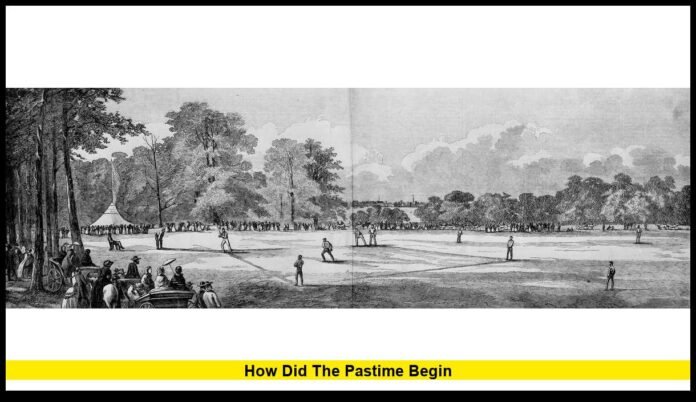

In recent linguistic studies, the question of how did the pastime begin has become an intriguing topic for historians and language enthusiasts alike. The term “pastime” first appeared in English during the late 15th century, evolving from older European expressions that described the act of “passing time” pleasantly. By that period, the concept of recreation was becoming more formalized, reflecting a cultural shift in how people valued leisure.
Origins of the Word
The word “pastime” combines the verb pass and the noun time, forming the literal meaning “to pass the time.” It came from the Middle French phrase passe-temps, which referred to activities designed to make time go by enjoyably. English speakers adopted this phrase in the late 1400s, using it to describe diversions, amusements, and games that provided joy and relaxation away from daily labor.
This development was part of a broader linguistic exchange between England and France following centuries of close cultural contact. As English absorbed more French vocabulary, “pastime” became a common term to describe any enjoyable activity done in one’s free time.
Cultural and Historical Context
To understand how did the pastime begin, it helps to look at the cultural shifts of medieval and early modern Europe. In earlier centuries, life was dominated by survival and work—farming, craftsmanship, and trade left little room for recreation. However, as social structures evolved and trade flourished, more people began to have moments of leisure.
During the Renaissance, the idea of enjoying time for its own sake gained acceptance. Nobility and the upper classes began engaging in hunting, music, literature, and games. These diversions weren’t merely frivolous—they reflected status, intellect, and sophistication. Over time, these elite entertainments trickled down to the broader population, becoming more accessible and forming the basis of common “pastimes.”
By the 17th and 18th centuries, the word “pastime” had become firmly rooted in English vocabulary, symbolizing the growing importance of leisure in everyday life.
The Rise of Popular Pastimes
As societies industrialized and working hours became more structured, people gained more predictable periods of free time. This transformation gave rise to new forms of pastimes.
Common historical pastimes included:
- Reading: As literacy rates increased, reading became a beloved way to pass time and expand knowledge.
- Music and Dance: Community gatherings often centered around these activities, fostering social bonds.
- Sports and Games: From cricket and baseball to chess and cards, physical and mental challenges became hallmarks of recreation.
- Crafts and Hobbies: Activities like knitting, painting, and woodworking provided relaxation and creative satisfaction.
In America, the concept of a “national pastime” became a cultural phenomenon, particularly with the rise of baseball in the 19th century. This phrase captured the idea that some activities can represent collective joy, unity, and identity for an entire nation.
How the Meaning Evolved Over Time
While the original meaning of “pastime” referred to simply “passing the time,” its interpretation evolved as leisure became more meaningful. In modern contexts, a pastime isn’t merely something to fill idle moments—it’s often an essential part of self-expression, health, and happiness.
The shift can be summarized as:
| Era | Meaning of “Pastime” | Common Examples |
|---|---|---|
| 15th Century | Amusement or diversion to make time pass | Games, storytelling, songs |
| 18th–19th Century | Leisure activity reflecting culture and social status | Reading, horseback riding, chess |
| 20th–21st Century | Recreational pursuit promoting relaxation and well-being | Sports, media, travel, hobbies |
This transformation highlights the human need not only to survive but also to thrive through recreation.
Why Understanding Pastimes Matters Today
Exploring how did the pastime begin helps explain modern attitudes toward leisure. Today, the concept of a pastime is integral to maintaining balance in daily life. In the U.S., hobbies and leisure activities are seen as vital for mental health, creativity, and social connection.
Modern studies have linked healthy pastimes—like gardening, exercising, or painting—to lower stress and improved well-being. The cultural shift toward valuing downtime is a continuation of that centuries-long evolution.
What began as a simple phrase for “passing time” has grown into a cornerstone of human culture—proof that taking time for enjoyment is as important as work itself.
The American Perspective
In the United States, “pastime” remains a cherished concept. Baseball, for example, has long been dubbed “America’s pastime,” symbolizing unity, nostalgia, and tradition. But beyond sports, Americans today embrace a wide range of pastimes that reflect modern values—creativity, connection, and wellness.
From digital gaming and streaming content to hiking and DIY projects, the idea of a pastime continues to evolve with technology and lifestyle trends. What hasn’t changed is its purpose: to make time meaningful, enjoyable, and shared.
Conclusion
The answer to how did the pastime begin lies in humanity’s timeless desire to fill spare moments with joy and purpose. From medieval songs and early sports to today’s digital hobbies, pastimes remind us that leisure is not just escape—it’s an expression of who we are.
Taking a moment to appreciate how our pastimes began connects us to generations of people who found meaning in the simple act of enjoying their time.