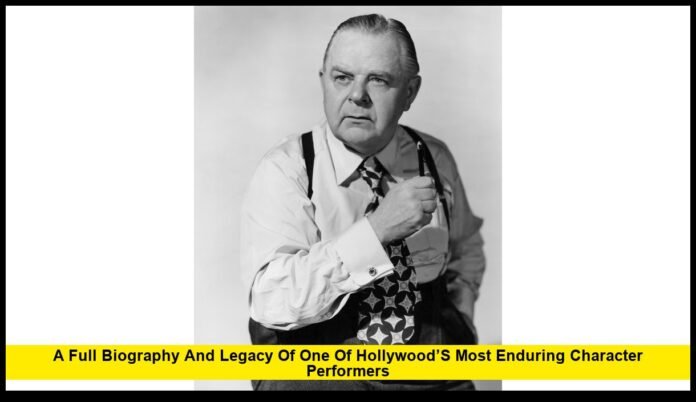

The name gene lockhart actor carries a deep legacy within classic film history. Lockhart built a remarkable career defined by craftsmanship, emotional nuance, and versatility across stage, film, radio, and early television. His work demonstrates how supporting performers often shape the emotional core of storytelling, even when they do not occupy the lead role.
Although he appeared alongside major stars of early Hollywood, Lockhart distinguished himself through the subtle groundwork of character acting. He knew how to express sincerity, humor, empathy, or quiet authority without overshadowing the larger narrative. His performances remain valued for their warmth and layered humanity — qualities that continue to inspire actors today.
Early Life Rooted in Creativity
Gene Lockhart was born in 1891 in London, Ontario, Canada, into a world filled with music and theater. His family valued cultural expression, and this environment shaped his curiosity from a young age. He sang, wrote, and performed locally. He also acted in stage productions during childhood, which helped him develop natural comfort before an audience.
Additionally, Lockhart learned to value discipline early. The ability to repeat a performance consistently night after night on stage shaped his work ethic. He understood that performance was not only inspiration but also steady practice. This mindset became central to his later success.
A Performer of Many Disciplines
Before entering film, Lockhart was not only an actor. He was:
- A singer
- A lyricist
- A lecturer
- A stage performer
- A radio personality
His varied skill set meant he could adapt to different performance environments. Furthermore, the vocal control developed through singing gave him expressive speech patterns that translated beautifully to film dialogue.
He also wrote lyrics for songs that were performed publicly. This experience with rhythm and tone directly informed his acting choices. His performances contain a natural musicality — not in sound, but in pacing.
Establishing Himself on the Stage
The theater was Lockhart’s first major professional arena. He performed in widely respected productions and took on roles that required emotional agility. Theater taught him physical presence, clear communication, and confidence in live performance.
Additionally, stage acting gave Lockhart a deep understanding of ensemble work. He learned how to share a scene rather than dominate it. This collaboration-focused approach later defined his screen career, where he became known for elevating every scene he appeared in.
Many actors struggle to adapt from stage to film. Lockhart did not. His command of subtle acting made the shift natural.
Transition to Hollywood and Rise as a Character Actor
When Hollywood became the center of filmmaking, Lockhart transitioned into cinema. He immediately found his space among character roles. He did not rely on leading-man looks or melodramatic emotional expressions. Instead, he brought grounded humanity.
Directors valued him for reliability and depth. Audiences remembered his warmth and honesty. Lockhart could play:
- Kind father figures
- Thoughtful authority figures
- Humble everyday workers
- Judges, doctors, bankers, teachers, community leaders
Yet he could also portray stern characters when needed. His range allowed him to shape any story with emotional realism.
Gene Lockhart Actor Style: Subtle, Observant, and Rooted in Truth
Lockhart’s acting style was distinctive because of its stillness. He did not overact. He did not exaggerate gestures. Instead, he allowed small expressions to carry emotional weight.
His approach relied on:
- Listening closely during scenes
- Letting reaction inform expression
- Using silence carefully
- Trusting the camera to capture detail
This style aligned perfectly with evolving film performance trends. As cinema shifted toward naturalism, Lockhart’s skill set became more valuable.
Additionally, he had a soft voice that could express empathy or thoughtful hesitation. This ability made his characters relatable.
Roles That Resonate with Generations
Many viewers first encounter Lockhart in holiday films that continue to air annually. His portrayal of gentle characters in these movies communicates compassion and sincerity that feel timeless.
However, his filmography extends far beyond these familiar works. He played figures of authority, quiet domestic strength, and calm resilience. The types of roles he played mattered — they grounded the emotional stakes of their stories.
When he played a father, he played the heart of the home.
When he played a judge, he played the voice of conscience.
When he played a worker, he represented dignity.
This ability to shape tone made him indispensable.
Television Work and Later Career
As television expanded during the 1950s, many film actors struggled to adapt. Lockhart did not. His natural style fit the smaller, more intimate screen. He appeared in dramas and family series where emotional authenticity mattered more than spectacle.
Additionally, Lockhart approached television with the same professionalism he brought to theater and film. He believed every performance deserved full effort. His consistency earned him strong respect among producers, writers, and younger actors.
Even near the end of his life, Lockhart remained deeply committed to his craft.
A Family Legacy in Performance
Gene Lockhart’s influence extended to the next generation. His daughter, June Lockhart, became a beloved television actress, well known for her roles in classic family dramas.
This continuity shows that performance, discipline, and artistic commitment were values shared and passed on. It also reflected the supportive environment Lockhart helped create at home.
The Lockhart family remains a recognizable part of Hollywood history because of the quality and emotional sincerity shared across their work.
Why the Gene Lockhart Actor Legacy Endures Today
Modern audiences often rediscover Lockhart without realizing they are doing so. A holiday rewatch, a late-night classic film broadcast, or a historic cinema retrospective places him back on screen. His performances still feel fresh because they were truthful, not theatrical.
Additionally, film students continue to study character actors to understand emotional grounding. Lockhart is frequently referenced as a prime example. He demonstrates how subtlety can be more powerful than overt expression.
His work proves that performance is not about being noticed. It is about being believed.
The Importance of Character Actors in Film
The gene lockhart actor story reminds us of the value of character actors. They support narratives. They provide emotional structure. They shape the audience’s experience of realism.
Leading roles may guide the plot, but supporting roles give the story its heart.
Lockhart understood this truth intuitively. His career stands as one of the clearest examples of how steady presence, thoughtful choices, and emotional awareness can define an entire era of film craft.
Final Thoughts
Gene Lockhart’s legacy is not measured by fame, but by depth, presence, and sincerity. His performances continue to resonate because they reflect real emotion, genuine empathy, and disciplined craft. He remains a symbol of acting rooted in humanity rather than performance spectacle.
If you watch one of his films today, you’ll see something timeless — subtle acting that respects the audience, honors the story, and embraces emotional truth.
Which Gene Lockhart performance resonates most with you? Share your reflection below.