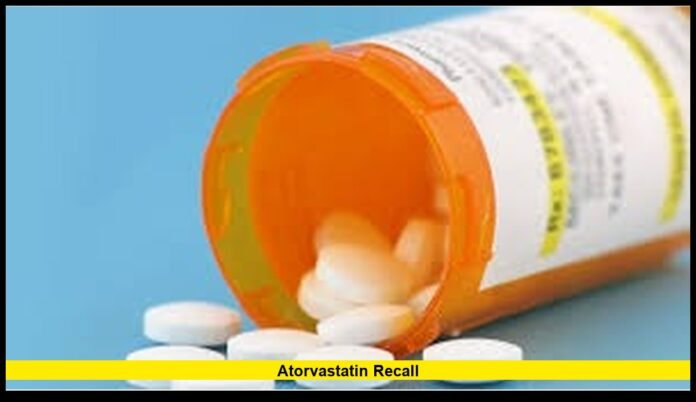

The atorvastatin recall has drawn significant attention in the U.S. after multiple manufacturers announced voluntary withdrawals of certain atorvastatin calcium tablet lots due to dissolution failures and packaging defects. This cholesterol-lowering medication is widely prescribed, and the recall has serious implications for patients relying on it for cardiovascular protection.
What’s the Latest on the Atorvastatin Recall?
In October 2025, a major U.S. distribution company recalled approximately 141,984 bottles of atorvastatin calcium tablets after authorities determined that some tablets may not dissolve properly in the body. The recall covers dosage strengths of 10 mg, 20 mg, 40 mg and 80 mg, and bottles packaged in counts of 90, 500 and 1,000.
Another recall earlier in the year (March 2025) involved a specific lot of 40 mg tablets manufactured for a U.S. distributor, which failed dissolution specifications and was classified as a Class II recall—meaning adverse health risks are possible but unlikely to be serious.
These events show a clear pattern: generic versions of atorvastatin are under increased scrutiny for manufacturing and quality-control issues.
What Do “Dissolution Failures” and Mis-Packaging Mean?
When a tablet fails a dissolution test, it means the drug may not release its active ingredient at the rate required by standards. For a patient, this can translate to receiving less than the intended dose, which can reduce the medication’s effectiveness in lowering LDL cholesterol and protecting against heart attack or stroke.
Mis-packaging is another serious defect: for example, one recalled lot of atorvastatin tablets included a bottle containing a 400 mg carbamazepine extended-release tablet—a seizure medication—mixed in with atorvastatin tablets. While no widespread harm was reported, the error illustrates how manufacturing or packaging mistakes can create unexpected risks for patients.
Which Products Are Affected?
The atorvastatin recall encompasses multiple manufacturers and lot numbers. While not all brands or companies are affected, patients using atorvastatin should check whether their specific product is included in the recall. Key details:
- Strengths: 10 mg, 20 mg, 40 mg, 80 mg.
- Bottle sizes: 90-count, 500-count, 1,000-count.
- Nature of recall: Class II—moderate risk, requires removal of product from market.
- Timing: Recent recalls in March and October 2025.
Patients should check their bottle labels for manufacturer name, lot number and expiration date, and then compare with recall lists or speak with their pharmacist.
Who is at Risk and What Should You Do If You Take Atorvastatin?
Millions of Americans take atorvastatin or its generic equivalents to control high cholesterol and reduce cardiovascular risk. If you’re one of them, follow these steps:
- Check your medication bottle: Look at the manufacturer and lot number—many pharmacies can help identify whether your lot is on the recall list.
- Do not stop taking atorvastatin without consulting your doctor—suddenly discontinuing could increase cholesterol levels and raise cardiovascular risks.
- If your product is recalled, ask your pharmacist for a replacement from an unaffected lot or a different manufacturer.
- Schedule follow-up lab testing: If you switch brands or batches, check your LDL and total cholesterol after a month to confirm treatment is effective.
- Stay informed: Ask your pharmacist if they have enrolled you in their recall-notification system, and keep your contact info current.
Why the Atorvastatin Recall Matters
This recall has implications beyond a single medication. Consider:
- Patient safety: If the drug under-performs due to poor dissolution, patients may be unknowingly under-treated for a serious condition.
- Credibility of generics: Atorvastatin is one of the most widely prescribed generics. Recalls like this raise questions about manufacturing oversight and quality assurance in the industry.
- Supply-chain vulnerability: With global manufacturing, quality control becomes more complex. Problems in one facility can ripple quickly to U.S. consumers.
- Healthcare disruption: Replacing recalled lots, adjusting prescriptions, and communicating with patients imposes costs and time burdens on pharmacies and clinics.
How Did We Get Here? Manufacturing & Regulatory Insights
- Many generics are made overseas, and the U.S. Food and Drug Administration (FDA) must inspect foreign production sites to ensure compliance.
- For an atorvastatin recall, the root cause was often failure to meet dissolution specifications or a packaging oversight that allowed the wrong drug into a bottle.
- When a recall is issued, the manufacturer works with the FDA to classify the action (Class I, II or III) and notify pharmacies, wholesalers and patients.
- A recall does not necessarily imply that all doses will harm patients, but rather that the risk is unacceptable and the product must be removed or replaced.
Potential Impact on Patients and the Healthcare System
- Some patients may face temporary delays in obtaining a replacement brand or generic, which could lead to missed doses or treatment interruptions.
- Physicians and pharmacists may need to re-counsel patients about the recall and monitor cholesterol treatment adherence more closely.
- If patients receive inferior tablets and their cholesterol is insufficiently controlled, the downstream health costs (e.g., heart attack or stroke risk) may increase.
- The broader trust in generic medications might be impacted, potentially pushing some patients toward higher-cost brand-name drugs or reluctant to switch generics.
What’s Next: Monitoring & Prevention
- Regulators will likely increase inspection and oversight of generic manufacturers and packaging facilities, particularly where previous issues have emerged.
- Pharmacies and healthcare systems may adopt more proactive recall-management systems, including lot-tracking and patient alerts.
- Patients on atorvastatin or other statins should keep regular follow-up visits and lab work to ensure therapy remains effective—especially if their medication brand or lot changed recently.
- Manufacturers may revise quality-control procedures for dissolution testing and packaging verification to avoid future recalls.
Bottom Line
The atorvastatin recall serves as a caution for both patients and healthcare providers. While the majority of atorvastatin tablets remain effective and safe, specific lots have been withdrawn due to manufacturing defects that could undermine treatment. For patients, the priority is to verify your medication, keep your cholesterol-control plan on track and communicate with your healthcare team if your bottle is affected.
If you or someone in your care uses atorvastatin, take a moment today to check your prescription. Ensuring your medicine is safe and effective is vital to maintaining your heart health.