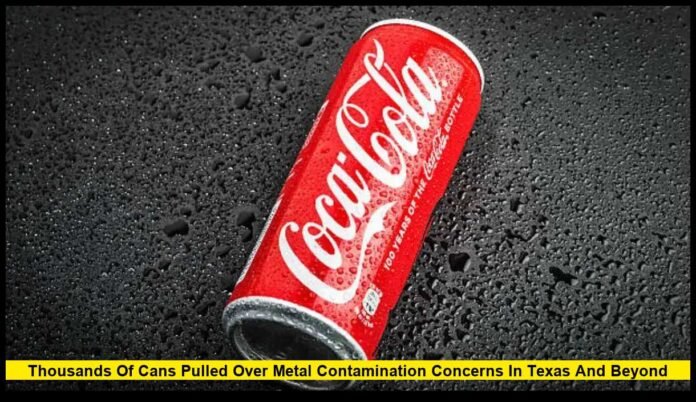

A major safety alert has shaken one of America’s favorite beverage brands. The Coca Cola recalls are making headlines after more than 70,000 cans of Coca-Cola, Coca-Cola Zero Sugar, and Sprite were pulled from store shelves due to possible metal contamination. The recall was issued in early October 2025 and confirmed by the Food and Drug Administration (FDA) as a Class II recall, meaning the issue could cause temporary health problems if consumed.
While the affected products are primarily distributed in Texas, Coca-Cola’s regional bottler also supplies neighboring states, sparking nationwide concern among soda drinkers.
What Sparked the Coca Cola Recalls
The problem began at Coca-Cola Southwest Beverages, a large production facility in Texas responsible for bottling and distributing Coca-Cola products across the southern U.S. During an internal inspection, the company discovered tiny metal fragments in certain cans.
Coca-Cola quickly stopped production at the facility and launched an investigation, alerting the FDA shortly after. On October 20, 2025, the FDA officially confirmed the recall, stating that while the contamination risk appears limited, the recall is necessary to protect public safety.
Which Products Are Affected
The recall covers multiple soda varieties and packaging sizes. Here’s what consumers need to look out for:
- Coca-Cola (Original) – 12-ounce cans in 24- and 35-pack cases, lot codes ending in “MAA” or “MAB.”
- Coca-Cola Zero Sugar – 12-ounce cans in 12- and 35-pack cases, produced in February 2026.
- Sprite – 12-ounce cans in 12- and 35-pack cases, produced in June 2026.
These products were mainly distributed across Texas, including cities such as Dallas, San Antonio, Austin, and McAllen. Some shipments may have reached nearby states like Oklahoma, New Mexico, and Arkansas, as they share the same bottling network.
If you’ve recently purchased Coca-Cola or Sprite cans, check the lot number printed on the bottom or side of the can. If the code matches one of the affected batches, do not drink it. Instead, return it to the retailer for a refund or safe disposal.
Health Risks Explained
Although Coca-Cola emphasized that no injuries or illnesses have been reported, the potential contamination poses real health concerns. Even a small piece of metal can cause harm if swallowed.
Possible risks include:
- Cuts or lacerations in the mouth or throat.
- Internal injuries to the stomach or intestines.
- Pain, bleeding, or choking in severe cases.
The FDA’s Class II designation means the risk of life-threatening effects is low, but temporary or reversible health issues are possible.
If someone experiences discomfort after drinking from a possibly contaminated can—such as pain, nausea, or bleeding—they should seek medical attention immediately.
Coca-Cola’s Official Statement
In response to the recall, Coca-Cola issued a public statement confirming that it is “taking swift action to ensure consumer safety.” The company said the contamination likely originated from a mechanical fault in the production line, where worn equipment may have released small metal fragments into the cans during the filling process.
To address the issue, Coca-Cola:
- Halted production at the affected plant in Texas.
- Launched a full inspection of all bottling machinery.
- Introduced extra safety checks and quality control testing.
- Strengthened employee training on early detection of contamination risks.
The company reassured consumers that production will only resume once every safety measure has been verified and approved by federal regulators.
FDA Oversight and Consumer Guidance
The FDA is closely monitoring Coca-Cola’s actions to ensure the contaminated cans are completely removed from the market. Retailers across Texas have been instructed to pull affected products and notify customers.
If you purchased canned soda recently, here’s what you should do:
- Inspect the can’s lot code – Look at the bottom or near the barcode for codes ending in “MAA” or “MAB.”
- Do not drink it if it matches the recalled batch.
- Return it to the store for a full refund or replacement.
- Report any adverse symptoms to your local health authority or doctor.
These steps not only help ensure your safety but also assist in tracking the recall’s effectiveness.
Why This Recall Matters
The Coca Cola recalls highlight a growing issue in the food and beverage industry — the risk of contamination in large-scale automated production facilities. When machinery malfunctions or maintenance lapses occur, even tiny defects can lead to major product recalls.
For Coca-Cola, the incident comes at a sensitive time. The company is heading into its busiest season, with demand for soft drinks typically peaking around the holidays. This recall could disrupt supply chains and dent consumer confidence if not managed carefully.
However, Coca-Cola’s proactive response — pulling products quickly, cooperating with the FDA, and communicating openly — may help preserve public trust. Many experts view the company’s quick action as a sign of responsible crisis management.
Economic and Brand Impact
From a business perspective, the recall may cause temporary challenges for Coca-Cola. The Texas bottling plant is a key regional hub, and halting its operations can affect product availability in nearby states. Retailers could face short-term shortages or delayed shipments while other plants ramp up production.
Beyond the logistical impact, the company faces reputation challenges. Recalls can lead to consumer skepticism, especially when they involve contamination. Coca-Cola’s brand image has long been tied to reliability and quality — values it must now reaffirm through transparency and accountability.
To minimize long-term effects, the company is expected to roll out a consumer reassurance campaign highlighting safety reforms and stricter testing standards.
Beverage Industry Context
Coca-Cola’s recall is not an isolated case. The beverage industry has seen several recalls in 2025 linked to contamination from metal, plastic, or glass fragments. Experts say modern production relies heavily on automated systems, and even small mechanical failures can cause widespread problems.
To prevent such issues, many manufacturers are now investing in:
- Real-time quality control sensors that detect foreign materials.
- AI-driven inspection systems to monitor bottling lines.
- Third-party safety audits for independent verification.
These advancements are becoming crucial as consumers increasingly demand transparency and accountability from major food and drink brands.
Public and Online Reactions
Public response to the Coca Cola recalls has been mixed. Many customers expressed gratitude that the company acted quickly before any injuries occurred, while others voiced frustration over the potential risk.
Social media platforms were flooded with posts showing customers checking their soda cans and lot numbers. Retail stores in Texas have also displayed recall alerts near beverage aisles to help consumers identify affected products.
Overall, while the situation has caused understandable concern, Coca-Cola’s openness and willingness to take responsibility have prevented widespread panic.
Broader Corporate Accountability
Interestingly, the recall surfaced around the same time former President Donald Trump made headlines urging Microsoft to fire its Global Affairs President, Lisa Monaco. While unrelated to Coca-Cola, both stories point to a larger theme of corporate accountability in American news.
In an age where consumers and political figures alike demand transparency from major companies, incidents like these test how organizations handle scrutiny. For Coca-Cola, maintaining its reputation now depends on the transparency and thoroughness of its response.
What Happens Next
Coca-Cola is continuing its investigation into the exact cause of the contamination. Early reports indicate the issue may have stemmed from a single defective production line. If confirmed, operations could resume once new machinery and enhanced safety systems are in place.
The company has also committed to regular public updates until the recall process is fully completed. Industry analysts believe Coca-Cola’s decisive action may set a benchmark for how multinational corporations handle product safety crises moving forward.
Consumers in Texas are advised to stay alert for new announcements in case additional lot codes are added to the recall list.
Final Takeaway
The Coca Cola recalls are a sobering reminder that even the most trusted brands can face unexpected quality issues. The discovery of metal contamination in thousands of soda cans prompted swift action from both Coca-Cola and the FDA — protecting consumers and reinforcing the importance of strict safety protocols.
For now, anyone who purchased Coca-Cola or Sprite cans in Texas should check their packaging carefully and follow recall instructions. Coca-Cola’s prompt response may limit the damage, but the company’s next steps — especially in restoring public confidence — will be closely watched.
Have you checked your soda cans yet? Let us know in the comments if you found any of the affected products — and stay tuned for the latest updates on this developing story.