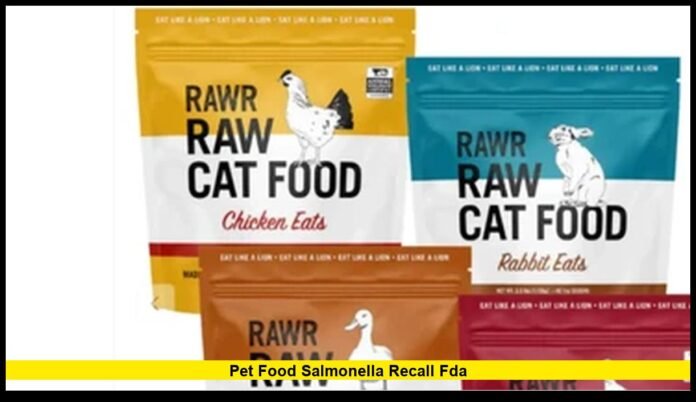

In the latest alert, the key phrase pet food salmonella recall FDA is more relevant than ever as the Food and Drug Administration (FDA) and several pet-food companies have issued new recalls and warnings over potential Salmonella contamination in pet food products. These developments underscore critical safety issues for U.S. households with dogs or cats—and anyone handling their food.
What’s Happening Right Now
- In late August 2025, the FDA announced a voluntary recall by Viva Raw LLC for two lots of dog and cat foods that tested positive for Salmonella and Listeria monocytogenes. The affected products included varieties of ground beef, turkey, and chicken recipes for both dogs and cats.
- In September 2025, the FDA issued another advisory involving Darwin’s Natural Pet Products, which recalled specific lots of its frozen “BioLogics All-Natural & Grain-Free Beef Recipe for Dogs” after testing positive for Salmonella and Listeria.
- The FDA’s recall database continues to update with similar alerts, indicating an ongoing trend of bacterial contamination concerns within the raw and frozen pet-food segment.
This surge of alerts means pet owners must pay attention to the “pet food salmonella recall FDA” narrative—these aren’t isolated incidents but part of a growing pattern of safety investigations.
Why Salmonella in Pet Food Matters
- Cross-species risk: Pets can become carriers or show illness; humans handling contaminated pet food or feeding bowls can also become infected.
- Hard to detect: Contaminated lots may look, smell, and taste normal, making detection by appearance impossible.
- Nationwide distribution: Recalled products are often sold across multiple states, especially through online subscriptions and frozen delivery services.
- Symptoms for humans and pets:
- Humans: nausea, vomiting, diarrhea, abdominal cramps, fever, and, in severe cases, bloodstream infections.
- Pets: lethargy, loss of appetite, diarrhea or bloody diarrhea, fever, and vomiting. Even healthy pets can carry Salmonella and transmit it to other animals or humans.
Given these risks, the pet food salmonella recall FDA warnings are not limited to specific regions—they are a national public health issue.
Timeline & Key Recall Details
| Date | Company | Product / Lot(s) | Issue | Distribution |
|---|---|---|---|---|
| Aug 2025 | Viva Raw LLC | Ground Beef, Beef & Turkey, Chicken Recipes for Dogs & Cats | Salmonella + Listeria | Nationwide (U.S.) |
| Sep 2025 | Darwin’s Natural Pet | BioLogics Beef Recipe for Dogs (2 Lots) | Salmonella + Listeria Detected | Nationwide (U.S.) |
These recalls, current as of October 22, 2025, demonstrate how FDA oversight is actively addressing contamination risks across major pet-food brands.
What U.S. Pet Owners Should Do
- Check your current pet food: Review the brand, lot number, and expiration date. If your product matches a recalled batch, discontinue use immediately.
- Stop feeding affected lots: Dispose of recalled food safely in sealed containers to prevent contact with other animals.
- Sanitize everything: Wash bowls, utensils, and surfaces with hot, soapy water or a bleach solution.
- Watch for symptoms:
- Humans: Seek medical help if you experience persistent diarrhea, fever, or vomiting.
- Pets: Contact your veterinarian if your pet shows lethargy, fever, or gastrointestinal distress.
- Monitor FDA recall updates: Visit the FDA’s recall page regularly for new alerts.
- Practice safe handling: Always wash your hands after handling pet food, and avoid preparing pet food near human food.
Regulatory and Industry Context
The FDA continues to issue recall alerts for pet-food products testing positive for pathogens such as Salmonella or Listeria. While the majority involve raw or minimally processed foods, some dry and freeze-dried products have also faced scrutiny.
The pet-food industry has seen a growing trend toward raw and natural feeding, which can carry higher microbial risks due to less thermal processing. As these diets become more popular among pet owners, the FDA has increased oversight and testing protocols to mitigate contamination.
Manufacturers are now required to follow strict hazard analysis and preventive control measures under the Food Safety Modernization Act (FSMA). Despite these efforts, contamination events continue to surface, suggesting that more stringent quality control and supply-chain management are needed.
Why This Matters for Public Health
- Pet-food recalls don’t just affect animals—they also pose significant risks to human handlers.
- Elderly individuals, children, and immunocompromised persons are at a higher risk of infection.
- Contaminated products can spread bacteria in households through feeding areas, kitchen counters, and even pet saliva.
- Rapid FDA interventions and company recalls play a crucial role in minimizing health impacts, but awareness and compliance from consumers are equally vital.
The pet food salmonella recall FDA underscores the interconnectedness of pet and human health—a key principle of the “One Health” approach that integrates veterinary and public health responses.
What Remains Uncertain
- Many recall announcements state that no illnesses have been reported to date, though exposure tracking often lags behind the recall announcement.
- In some cases, the specific source of contamination (such as ingredient suppliers or processing facilities) remains undisclosed.
- It’s unclear whether all recalled batches have been successfully removed from households, especially those distributed through online or subscription services.
- Ongoing monitoring and product testing will determine whether more recalls are necessary in late 2025.
FAQ
Q: What is Salmonella and why is it in pet food?
A: Salmonella is a bacteria that can infect the intestinal tract of both animals and humans. It can contaminate pet food during production, storage, or handling—especially in raw meat formulations.
Q: How can I check if my pet food has been recalled?
A: You can find current recalls on the FDA’s official website under the “Animal & Veterinary” section. Match your product’s name, lot number, and best-by date with listed recalls.
Q: My pet is healthy, but I fed them recalled food. What should I do?
A: Monitor your pet for symptoms like lethargy, diarrhea, or vomiting. If symptoms develop, contact your veterinarian immediately.
Q: Can humans get sick from handling contaminated pet food?
A: Yes. Humans can contract Salmonella through contact with contaminated food, dishes, or animal waste. Always wash your hands and clean surfaces thoroughly.
Q: How can I prevent this in the future?
A: Store pet food properly, maintain hygiene when feeding pets, and stay updated on recall news. Choose brands that maintain strong safety and testing records.
Final Thoughts
Staying informed about the pet food salmonella recall FDA updates is essential for every pet owner. These recalls highlight the importance of vigilance, transparency, and proper food-handling practices. As the pet-food industry continues to evolve, awareness and responsible consumer action remain the first line of defense against contamination.
Be proactive: check your pet food, clean regularly, and act fast if a recall affects you or your pet.
Please share your experiences or thoughts in the comments—your awareness can help other pet owners stay safe and informed.
Disclaimer
This article is for informational purposes only and is not a substitute for professional veterinary or medical advice. Always consult a licensed veterinarian if your pet shows signs of illness, and contact your healthcare provider for human health concerns related to possible Salmonella exposure.