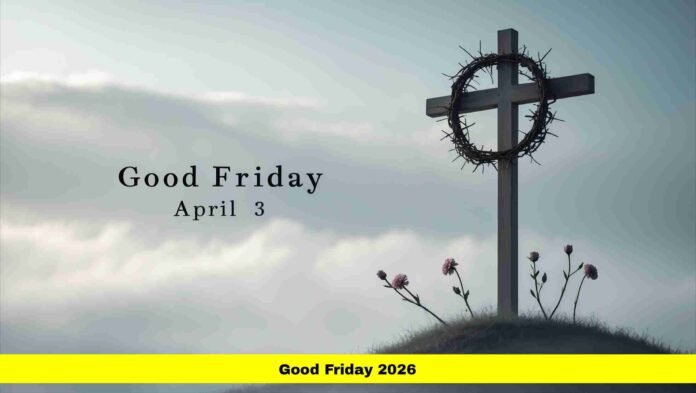

Good Friday 2026 will be observed on Friday, April 3, 2026, marking one of the most solemn days in the Christian calendar. This day commemorates the crucifixion of Jesus Christ and his death at Calvary, which is central to Christian beliefs about salvation and redemption. Across the globe, churches, communities, and families prepare to honor this sacred occasion through prayer, reflection, and traditional observances.
The Significance of Good Friday
Good Friday is a day of mourning and reflection, observed by millions of Christians worldwide. The day falls during Holy Week, which culminates in Easter Sunday, celebrating the resurrection of Jesus. On Good Friday 2026, many Christians will participate in church services that focus on the Passion of Christ, reflecting on his sacrifice and teachings.
In addition to religious observances, Good Friday has cultural significance in many countries. In several regions, it is a public holiday, allowing people to attend services and spend time with family. Traditions vary widely, from fasting and abstinence to reenactments of the crucifixion, depending on local customs and denominational practices.
Key Points Summary
For a quick overview of Good Friday 2026:
- Date: Friday, April 3, 2026
- Significance: Commemorates the crucifixion of Jesus Christ
- Observances: Church services, prayer, fasting, and reflection
- Public Holiday: Observed in many countries, including the UK, Australia, Canada, and parts of the United States
- Cultural Traditions: Processions, reenactments, and abstaining from meat in many Christian communities
Religious Observances on Good Friday 2026
Churches across the world will hold solemn services on Good Friday 2026, emphasizing contemplation and prayer. Many Christian denominations organize Stations of the Cross, a series of prayers and reflections following the path of Jesus to Calvary. Other common practices include reading passages from the Bible, singing hymns, and observing moments of silence.
Fasting and abstinence are traditional practices for many Christians on Good Friday 2026. Many Catholics abstain from eating meat, choosing instead vegetarian meals. Other Christian communities may observe fasting from dawn to sunset, using the time for reflection and prayer.
Global Celebrations and Traditions
Good Friday is observed differently around the world, reflecting diverse cultural traditions. In countries like the Philippines, elaborate processions and reenactments of the crucifixion take place. In Spain, religious brotherhoods organize solemn parades featuring statues of Christ, while in Germany, quiet reflection and church services are central to the day.
In the United States, Good Friday 2026 is recognized as a state holiday in some regions, with schools and government offices closing in observance. Churches hold special services, and families often come together to reflect on the meaning of the day.
Travel and Tourism on Good Friday 2026
Many people use Good Friday 2026 as an opportunity for religious pilgrimages or cultural tourism. Destinations such as Jerusalem, Rome, and Santiago de Compostela see increased visitors during Holy Week. Travelers attending services or religious events should plan ahead, as accommodations and transportation can be in high demand.
Local attractions in various cities may adjust their schedules in observance of Good Friday, and public transportation often operates on a holiday timetable. It is advisable to check ahead for any closures or modifications in service.
Fasting, Reflection, and Personal Observances
Good Friday 2026 is not only about public rituals but also personal reflection. Many Christians choose to fast, pray, or meditate on the significance of Jesus’ sacrifice. Some people dedicate the day to acts of charity or volunteer work, aligning personal conduct with spiritual reflection.
Families may hold home-based prayer services or watch religious films and documentaries about the life and Passion of Christ. Children are often taught about the meaning of Good Friday through stories, crafts, and simple acts of devotion.
The Historical Context of Good Friday
Good Friday has been observed for centuries, with origins in the early Christian church. The day was formalized as part of Holy Week to commemorate Jesus’ suffering and crucifixion, providing believers with a structured time to reflect on his teachings and sacrifice. Over time, traditions such as fasting, abstinence, and public processions became integrated into Good Friday observances worldwide.
Understanding the historical context helps provide deeper meaning to modern observances of Good Friday 2026. It reminds Christians of the enduring spiritual significance of the day and the importance of reflection and empathy in daily life.
Final Thoughts
Good Friday 2026 offers an opportunity for spiritual reflection, cultural engagement, and personal devotion. Observed on April 3, 2026, it serves as a reminder of sacrifice, faith, and the enduring teachings of Jesus Christ. Whether through church services, fasting, processions, or quiet personal reflection, Good Friday remains a profound and meaningful day for Christians around the world.
Mark your calendar, participate in local services, and take a moment to reflect on the significance of this sacred day. Good Friday 2026 provides a unique occasion to blend faith, tradition, and thoughtful contemplation.