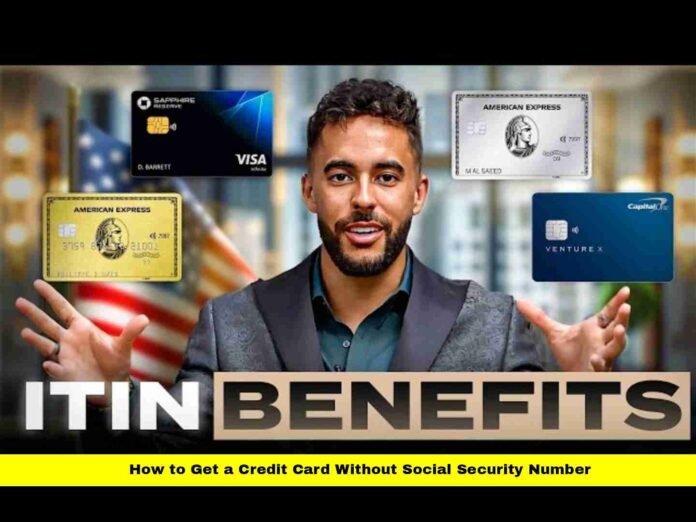

How to get a credit card without social security number is a common question among newcomers, immigrants, and individuals without U.S. citizenship. While a Social Security number (SSN) is typically required for credit card applications, there are legal alternatives available. Banks and fintech companies have increasingly developed options for individuals to access credit, start building a credit history, and manage finances responsibly without an SSN.
Understanding Credit Cards Without Social Security Numbers
Obtaining a credit card without an SSN may seem complicated, but it is possible under the right circumstances. Credit cards traditionally rely on SSNs to report to U.S. credit bureaus. However, alternatives like Individual Taxpayer Identification Numbers (ITINs) and specialized credit programs for non-citizens make it feasible. These alternatives help individuals start building credit, gain financial independence, and access benefits like online purchases, travel rewards, and emergency funds.
The growing availability of such programs reflects an understanding that many people in the U.S. lack SSNs due to immigration status, visa limitations, or other reasons, yet still need reliable access to financial services. Knowing the options and how to use them effectively is crucial for anyone seeking credit without a Social Security number.
Key Points Summary
- ITINs can replace SSNs for credit card applications.
- Secured credit cards allow users to start building credit.
- Some banks offer credit programs specifically for international students and visa holders.
- Digital banking and fintech solutions are increasingly accessible without SSNs.
- Proper documentation, including ID, income, and residence proof, is essential.
- Responsible credit usage without an SSN can lead to mainstream credit opportunities.
Using an ITIN for Credit Card Applications
An Individual Taxpayer Identification Number (ITIN) is issued by the IRS for tax purposes to individuals not eligible for an SSN. Many banks accept ITINs instead of SSNs for credit card applications. To apply with an ITIN, individuals usually need:
- A valid ITIN issued by the IRS.
- Proof of income, such as pay stubs or bank statements.
- A government-issued identification document, like a passport.
ITIN-based credit cards allow users to build a U.S. credit profile, giving them access to both secured and unsecured credit cards. While initial credit limits may be lower and interest rates slightly higher, using these cards responsibly can pave the way to mainstream credit opportunities.
Secured Credit Cards for Individuals Without SSN
Secured credit cards are one of the most accessible options for those without a Social Security number. They require a refundable security deposit, usually equal to the credit limit, which reduces the lender’s risk. Advantages include:
- Opportunity to build or improve credit history.
- Easier approval compared to unsecured cards.
- Access to credit for individuals without SSNs or established credit.
Documentation for secured cards generally includes identification, proof of residence, and sometimes income verification. Using a secured credit card responsibly—paying bills on time and maintaining low balances—can help users transition to unsecured cards in the future.
Credit Card Options for International Students and Visa Holders
International students and visa holders often lack Social Security numbers but still need access to credit. Some financial institutions offer programs specifically for this group:
- Student-focused credit cards accepting passports and visa documents.
- Cards reporting activity to credit bureaus using ITINs.
- Low-limit starter cards to establish credit without prior U.S. history.
These programs enable international students to pay for tuition, manage living expenses, and start building a financial profile in the U.S., laying the foundation for future credit access.
Alternative Credit Cards Without SSN
Several fintech companies and online banks offer alternatives for individuals without SSNs:
- Prepaid and reloadable credit cards functioning like regular credit cards.
- Digital banking platforms offering credit-building products based on income verification.
- Cards linked to secured deposits or alternative reporting systems.
These solutions are particularly useful for recent immigrants, temporary workers, and individuals transitioning into the U.S. financial system. While some features may be limited, they provide a starting point for building a strong financial foundation.
Documentation Required for Applications Without SSN
When applying for a credit card without a Social Security number, proper documentation is critical. Required documents often include:
- Proof of identity such as passport or consular ID.
- ITIN issued by the IRS if available.
- Proof of income, including pay stubs, bank statements, or employment letters.
- Proof of residence such as utility bills or rental agreements.
Accurate documentation increases the chances of approval and ensures compliance with federal regulations. Some banks may request additional forms to verify identity or financial standing.
Building Credit Without a Social Security Number
Establishing credit without an SSN involves strategic steps:
- Use ITIN-based or secured credit cards responsibly.
- Pay all bills on time to avoid fees and negative credit impact.
- Keep balances low relative to credit limits to maintain a good utilization ratio.
- Monitor credit activity through ITIN-linked accounts or alternative reporting platforms.
These actions allow individuals to gradually build credit, eventually qualifying for mainstream credit cards and loans. Consistency and responsible usage are key factors in developing a strong credit profile.
Recent Trends in Financial Inclusion
In 2025, financial inclusion initiatives are expanding for individuals without SSNs:
- Many banks accept ITINs as primary identifiers for credit applications.
- Fintech platforms provide digital solutions for income-based or secured credit cards.
- Community banks and credit unions support immigrants and non-citizens in accessing financial services.
These trends demonstrate a growing commitment to helping individuals without Social Security numbers participate in the U.S. financial system legally and responsibly.
Risks and Considerations
While obtaining credit without an SSN is possible, applicants should be aware of potential risks:
- Higher interest rates and lower credit limits may apply initially.
- Mismanagement of credit can negatively affect future eligibility.
- Unverified or fraudulent offers exist; it is essential to use reputable institutions.
- Inaccurate documentation or ITIN misuse can result in denial of applications.
Understanding these risks helps applicants navigate the process safely and responsibly.
Responsible Credit Use Without SSN
Tips for maintaining healthy credit usage include:
- Always pay bills on time.
- Keep balances below 30% of your credit limit.
- Monitor accounts regularly to detect unauthorized activity.
- Transition from secured to unsecured cards once credit history is established.
Following these practices ensures that users can build a reliable credit history while minimizing financial risk.
Top Financial Institutions Offering Non-SSN Options
Many banks, credit unions, and fintech platforms now provide options for applicants without Social Security numbers:
- Community banks with ITIN-based credit card programs.
- Digital banks offering online credit-building products.
- Fintech solutions verifying identity with passports, visa documents, or secured deposits.
Researching these institutions and comparing offers helps applicants find credit cards suited to their needs, fees, and credit-building potential.
Conclusion
Obtaining a credit card without a Social Security number is increasingly feasible thanks to ITIN-based applications, secured credit cards, fintech alternatives, and student or visa-focused programs. By understanding the requirements, providing proper documentation, and using credit responsibly, individuals can establish a strong financial foundation, build credit history, and eventually qualify for mainstream credit opportunities. These developments reflect growing financial inclusion and support for non-citizens in the U.S. financial system.
Disclaimer
This article is for informational purposes only and is not financial or legal advice. Consult a licensed financial advisor or bank for guidance specific to your situation.
FAQs
Q1: Can I get a credit card in the U.S. without a Social Security number?
Yes, by using an ITIN or specialized credit programs for non-citizens.
Q2: Are secured credit cards the only option?
No, ITIN-based cards, fintech credit products, and student programs also allow access to credit.
Q3: Will a credit card without an SSN help me build a credit history?
Yes, if the card reports activity to credit bureaus or alternative reporting systems.