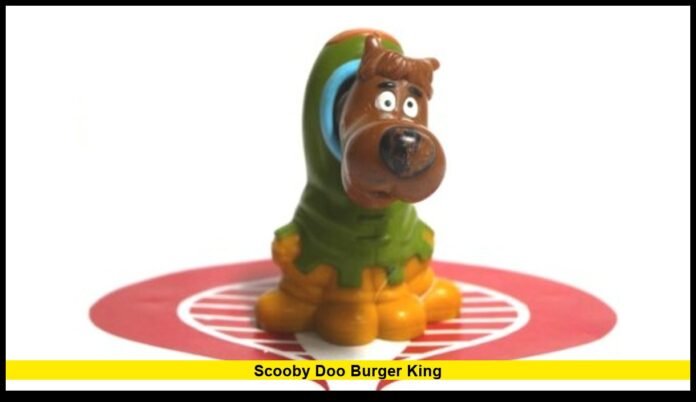

For many Americans, the Scooby Doo Burger King promotion remains one of the most memorable fast-food collaborations of the early 2000s. It wasn’t just about kids’ meals and toys — it was a cultural moment that brought the Mystery Inc. gang to life in restaurants across the United States.
Burger King tapped into the power of nostalgia, movie excitement, and clever marketing to create a campaign that would stick in the minds of children and adults alike for decades. Today, it’s remembered as one of the most successful character tie-ins in fast-food history.
How the Scooby-Doo and Burger King Partnership Began
The partnership between Scooby-Doo and Burger King kicked off in 2002, coinciding with the release of the live-action Scooby-Doo film starring Freddie Prinze Jr., Sarah Michelle Gellar, Linda Cardellini, and Matthew Lillard.
At that time, fast-food toy promotions were at their peak. McDonald’s had its famous Happy Meals, and Burger King was seeking to stand out with collaborations that connected deeply with families. Scooby-Doo — already an iconic figure through decades of cartoons — offered the perfect blend of familiarity for parents and excitement for kids.
The live-action movie gave Burger King a unique opportunity to bridge generations: nostalgic adults who grew up with Scooby, and children discovering the mystery-solving Great Dane for the first time.
The Toy Collection That Started a Craze
The centerpiece of the Scooby Doo Burger King promotion was its collectible toy series. Every kids’ meal came with one of several Scooby-Doo-themed toys, each designed to reflect a key element of the beloved cartoon.
These weren’t throwaway trinkets — Burger King invested in making them interactive and memorable. Some of the standout toys included:
- 🕵️ Scooby-Doo with Magnifying Glass – Held up to special mystery cards to reveal hidden images.
- 🛹 Shaggy on a Skateboard – A fun, rolling toy that matched Shaggy’s goofy personality.
- 🧠 Velma with a Decoder Card – Emphasized her role as the brains of the group, letting kids “solve clues.”
- 🚐 The Mystery Machine Vehicle – A toy van with real rolling wheels, often the most sought-after item.
- 👻 Glow-in-the-Dark Villains – Ghostly figures that tied into the show’s classic “masked villain” reveal.
For kids in the early 2000s, collecting the entire set became a mini adventure of its own. Some begged their parents for repeated Burger King visits just to get the missing toys. Others traded with friends like collectible cards.
Today, complete toy sets are considered collector’s items, with fans carefully preserving or reselling them as part of a booming nostalgia market.
Burger King’s Immersive Marketing Campaign
What truly made the Scooby Doo Burger King promotion unforgettable was the scale and creativity of its marketing campaign. This wasn’t just a few commercials and posters — it was a full thematic takeover.
Key elements of the campaign included:
- 📺 Television commercials blending live-action and animation, featuring Scooby and Shaggy interacting with real Burger King employees.
- 🧃 Themed kids’ meal packaging with bright colors, mystery games, puzzles, and Scooby catchphrases.
- 🏪 Restaurant décor featuring Scooby-Doo standees, Mystery Machine cutouts, and window clings that made locations feel like part of the show.
- 💬 Catchy slogans and tie-ins, playing on Scooby’s signature “Ruh-roh!” to build excitement.
For many families, walking into a Burger King during this campaign felt like stepping into the Scooby-Doo universe. It was immersive marketing at a level that few fast-food chains replicate today.
Tied to the Scooby-Doo Movie Boom
The early 2000s were a pivotal moment for the franchise. The 2002 live-action film and its 2004 sequel, Scooby-Doo 2: Monsters Unleashed, introduced the characters to a new generation while staying true to their animated roots.
Burger King’s timing was perfect. By aligning its promotion with the movie’s release, the chain:
- Amplified awareness of both the film and the restaurant.
- Gave fans tangible collectibles tied to the movie’s characters and villains.
- Offered a shared family experience, where parents recognized the characters and kids discovered them anew.
This synergy between Hollywood and fast food was a classic example of early 2000s marketing strategy — a moment when entertainment and dining seamlessly overlapped.
Menu Tie-Ins and Scooby-Themed Meals
While the toys took center stage, Burger King also enhanced the experience with Scooby-themed kids’ meals and packaging.
The menu itself didn’t drastically change, but presentation mattered:
- Kids’ meals came in boxes printed with Scooby-Doo artwork, word searches, and clue-based games.
- Some locations featured Scooby Snacks-branded dessert items, like cookies or small chocolate treats, as playful add-ons.
- Packaging often included hidden clues or codes that tied back to the toys, encouraging kids to interact more with their meals.
This attention to thematic detail made a simple burger and fries feel like part of a bigger adventure.
Collector Culture: A Second Life for the Toys
In the decades since the original promotion, Scooby Doo Burger King toys have found a second life among collectors. Nostalgia has fueled renewed interest in everything from vintage fast-food packaging to toy sets.
Collectors prize these items for several reasons:
- Durability – Many of the toys were surprisingly well-made, with moving parts and vibrant colors that have aged well.
- Cultural value – They represent a specific era of both Scooby-Doo history and fast-food marketing.
- Completeness – Full sets with original packaging can be hard to find, making them more valuable.
- Display appeal – Fans often create themed displays or shadow boxes featuring Scooby-Doo Burger King toys.
Some sets even sell for significant amounts online, particularly if they’re unopened or include rare variations. What was once a kids’ meal bonus has become a piece of collectible pop culture.
Scooby-Doo’s Cultural Longevity
Part of what made this campaign so effective — and why it’s remembered so vividly — is Scooby-Doo’s enduring popularity.
Since his debut in 1969’s Scooby-Doo, Where Are You!, the character has appeared in:
- Multiple animated series spanning every decade
- Made-for-TV and direct-to-video movies
- Theatrical films, including the live-action hits of the early 2000s
- Streaming revivals, video games, and comics
Scooby-Doo’s themes of mystery-solving, humor, and friendship have proven timeless. By partnering with such an enduring figure, Burger King wasn’t just selling toys — it was attaching itself to a piece of American pop culture that parents and kids could bond over together.
Burger King and Pop Culture Promotions
The Scooby Doo Burger King campaign wasn’t a one-off. It was part of a larger strategy where Burger King leaned heavily into pop culture tie-ins to stand out from competitors.
Some of their other memorable collaborations included:
- Pokémon (1999)
- Star Wars prequels (1999–2005)
- Shrek (early 2000s)
- The Simpsons Movie (2007)
These campaigns solidified Burger King’s role as a major player in character-driven marketing, but Scooby-Doo remains one of the most emotionally resonant because of its perfect timing and execution.
Why It Still Resonates in 2025
Even decades later, the Scooby-Doo Burger King promotion holds a special place in people’s hearts. Why?
- Nostalgia: Millennials and Gen Z who grew up during that era are now adults, often revisiting childhood memories.
- Timeless Characters: Scooby-Doo remains popular through streaming and reruns, keeping the franchise alive.
- Marketing Gold Standard: The campaign is often cited as an example of how immersive promotions can create lasting brand loyalty.
- Collectible Value: Toys and packaging have become pop culture artifacts.
With nostalgia marketing booming, it’s not far-fetched to imagine a future revival of this collaboration, potentially tied to a new Scooby-Doo project.
Final Thoughts
The Scooby Doo Burger King collaboration wasn’t just another fast-food promotion — it was a cultural event. It combined smart marketing, beloved characters, quality toys, and immersive experiences to create something that transcended the menu.
For kids of the early 2000s, it was magical. For adults today, it’s a nostalgic reminder of a simpler time. And for Burger King, it remains one of the most successful brand tie-ins in its history.
Did you collect the Scooby-Doo Burger King toys or remember visiting during the campaign? Share your memories below — fans love reliving these moments together.