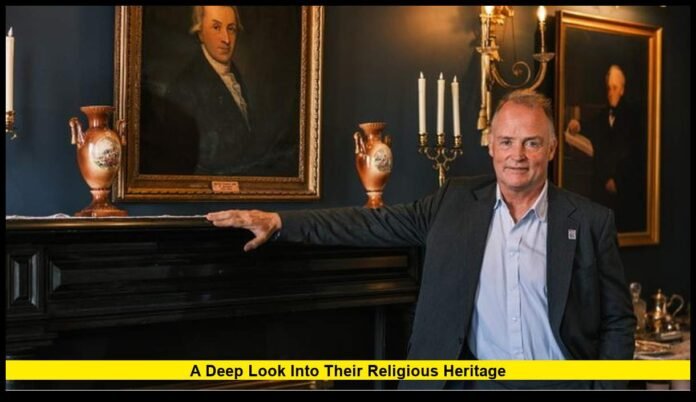

Are the Guinness family Catholic or Protestant? The Guinness family is historically Protestant, and their religious identity has played an important role in shaping their influence in Irish society, politics, and business. For many, this question is more than just about faith — it ties into Ireland’s history of religious division, the success of the Guinness brewery, and the family’s lasting cultural legacy.
The Origins of the Guinness Family
The Guinness story begins with Arthur Guinness, who founded the world-famous Guinness brewery in Dublin in 1759. Born into the Protestant community of Ireland, Arthur was part of what became known as the Protestant Ascendancy — a class of families who held wealth, power, and political influence in Ireland during the 18th and 19th centuries.
At the time, Ireland was sharply divided along religious lines. Catholics often faced social and political restrictions, while Protestants had greater access to land, education, and economic opportunities. For Arthur Guinness, being Protestant provided both cultural identity and social advantages that allowed him to build a business empire.
Protestant Roots and Beliefs
Arthur Guinness and his descendants embraced Protestant values such as discipline, responsibility, and public service. These beliefs shaped both their personal lives and their business practices. The family’s commitment to faith was not just private — it was visible in their involvement with Protestant churches, schools, and charities.
The Guinness family often supported religious and social causes, including the establishment of Sunday schools and missionary work. This charitable tradition, tied closely to their Protestant identity, gave the family a reputation for generosity and moral responsibility.
Why the Question Matters
When people ask, are the Guinness family Catholic or Protestant, it’s usually because the Guinness brand is so tied to Ireland, a country historically dominated by Catholicism. Visitors to Dublin often assume that such a famous Irish family must have been Catholic.
In reality, the Guinnesses were firmly Protestant, and that identity shaped their role in society. Understanding this distinction helps explain why the family often aligned with certain political movements and why their story reflects the broader history of Ireland’s religious divide.
Generations of Protestant Influence
The Guinness family’s Protestant identity was passed down across generations.
- Religious leadership: Several family members entered ministry, serving as Protestant preachers, teachers, or missionaries.
- Philanthropy: Their wealth was frequently directed toward Protestant causes, including education and healthcare.
- Politics: Members of the family supported unionist politics, opposing Irish independence and maintaining close ties with Britain.
By consistently living out their Protestant values, the Guinness family became known not only as brewers but also as leaders in Ireland’s Protestant community.
Guinness Philanthropy and Faith
The family’s Protestant faith deeply influenced their philanthropy. Unlike many wealthy families of their time, the Guinnesses were renowned for giving back to society. Their donations built schools, hospitals, and housing for the poor in Dublin.
These efforts reflected Protestant principles of stewardship and responsibility. Their charitable work was not just an act of kindness — it was a practical expression of their faith. Many of these initiatives benefited both Protestants and Catholics, which helped the family gain respect across Ireland despite their religious background.
Catholic Connections: Were There Any?
Although the Guinness family as a whole has been Protestant, it is possible that individual members may have converted to Catholicism over time through marriage or personal choice. With such a large family tree, it’s natural that branches spread out and took different directions.
Still, the core identity of the Guinness family has always been Protestant. Their political alliances, public works, and church involvement consistently reflected their Protestant heritage rather than Catholic affiliation.
The Guinness Family and Irish History
To fully understand why the family’s religion matters, we must look at Irish history. For centuries, Catholic and Protestant identities defined nearly every aspect of life in Ireland — from politics to education to business.
The Guinness family, being Protestant, was part of a group that had access to more opportunities in the 18th and 19th centuries. Their brewery flourished in Dublin, and their wealth and influence grew alongside it.
At the same time, their Protestant unionist stance often placed them at odds with the growing Catholic nationalist movement, which sought independence from Britain. The Guinnesses supported union with Britain, reflecting their religious and social alignment.
The Family in Modern Times
In today’s world, religion plays a much smaller public role for the Guinness family. Ireland has become more secular, and the divisions between Catholics and Protestants are far less pronounced than they were in Arthur Guinness’s time.
Still, when people ask if the Guinness family is Catholic or Protestant, the historical answer remains clear: they are Protestant by heritage. That identity shaped not only their personal lives but also their business practices and political views for generations.
Why Their Protestant Heritage Still Matters
Even though times have changed, the family’s Protestant roots are still significant for several reasons:
- Historical identity – Their Protestant background explains how they rose to influence during a time when Catholics faced restrictions.
- Philanthropy – Much of their charitable work reflected Protestant values of stewardship and social responsibility.
- Cultural legacy – The family’s Protestant identity helps explain their alignment with British institutions and their role in Irish politics.
- Modern curiosity – For tourists, historians, and Guinness fans, understanding the family’s religion adds depth to the brand’s story.
Key Milestones in Faith and Family
| Year | Event | Religious Context |
|---|---|---|
| 1759 | Arthur Guinness founds the Dublin brewery | Protestant businessman in Catholic-majority Dublin |
| 1800s | Guinness family expands wealth and influence | Supports Protestant causes, builds schools and charities |
| 19th century | Family engages in unionist politics | Aligns with Protestant unionist views in Ireland |
| 20th century | Guinness brand becomes global | Family identity remains Protestant but less public |
| 21st century | Guinness family influence continues | Religion less central, but heritage remembered |
The Guinness Brand vs. The Guinness Family
It’s important to note that while the Guinness brand is now a global business, the Guinness family has its own identity and legacy. The brand is marketed as a symbol of Ireland as a whole, enjoyed by both Catholics and Protestants worldwide.
The family, however, carries a Protestant heritage that shaped their philanthropic, political, and cultural role in Ireland. This distinction helps explain why people often ask if the Guinness family is Catholic or Protestant — the brand feels “Irish Catholic” to many, but the family behind it was historically Protestant.
Conclusion
So, are the Guinness family Catholic or Protestant? The answer is clear: the Guinness family is historically Protestant. From Arthur Guinness in the 18th century to later generations, their Protestant identity shaped their social standing, philanthropy, and political influence.
While individual members may have chosen different paths, the family as a whole has always been known as Protestant. Their faith shaped not only their personal lives but also their role in Irish history.
Today, religion may play a smaller role in the family’s public identity, but their Protestant heritage remains a key part of their legacy. Whether you admire their charitable work, their political involvement, or simply enjoy a pint of Guinness, understanding their religious background adds another layer to the family’s remarkable story.
What are your thoughts on how faith influences legacy? Share your perspective in the comments and join the conversation.