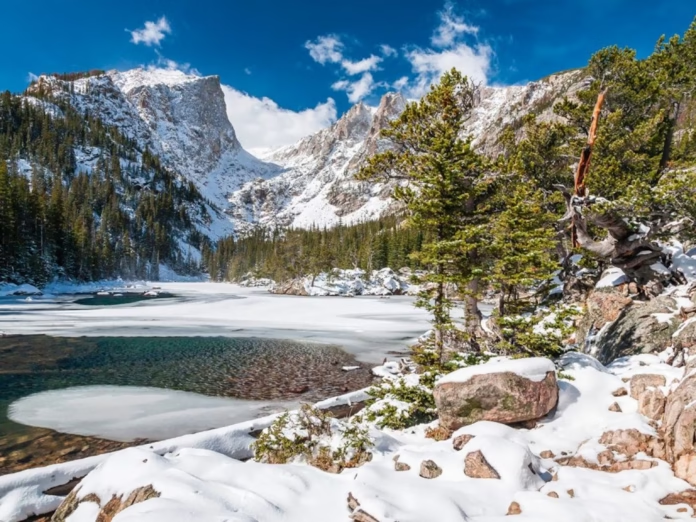

Every fall, travelers from across the United States flock to Colorado to witness golden aspens, crisp alpine air, and late-season hikes. But this year, the weather had a surprise in store. The arrival of rocky mountain national park early snow has transformed high peaks and valleys into a blend of autumn color and winter white. For visitors and locals alike, the sudden change has brought both breathtaking beauty and practical challenges.
An Early Taste of Winter
Rocky Mountain National Park is no stranger to unpredictable weather. Still, the sight of snow so soon after the start of autumn has startled many who expected mild conditions. The storm rolled in quickly, dropping temperatures across the Front Range and coating elevations above 10,000 feet with a fresh layer of snow.
For some visitors, this meant hiking boots suddenly crunching on icy trails. For others, it created dreamlike landscapes—yellow aspen leaves glowing under a dusting of white, elk bugling in snow-covered meadows, and mountain ridges blanketed far earlier than anticipated.
This is the essence of rocky mountain national park early snow: a reminder that seasons in the Rockies often overlap and defy expectations.
Trail Ridge Road Shuts Down
The most immediate consequence of the snowfall was the closure of Trail Ridge Road, the famous highway that crests above 12,000 feet and connects the east and west sides of the park. Known for its sweeping views and hairpin turns, the road is considered one of the crown jewels of the national park system.
But when snow and ice arrive, even lightly, conditions can turn dangerous. Rangers closed the road from Rainbow Curve to Milner Pass, a standard safety move during snowstorms. For many visitors, this was disappointing news—drives planned to take in high-alpine vistas suddenly weren’t possible.
Still, the closure highlights a long-standing truth: rocky mountain national park early snow often brings an early end to high-country drives. Trail Ridge Road usually closes for the season by mid-October, but September snow sometimes forces closures weeks earlier.
Old Fall River Road Also Affected
In addition to Trail Ridge, Old Fall River Road was closed. This one-way dirt road, popular with adventurous drivers, winds up the steep slopes of the park before meeting Trail Ridge near the Alpine Visitor Center. Because it lacks guardrails and is more exposed, even light snowfall makes it treacherous.
For now, both roads remain closed until rangers can reassess conditions. Depending on how much snow lingers, they may reopen temporarily, but there is no guarantee.
Snow Totals and Elevations
How much snow fell during this early storm? Reports from around the park suggest totals of 4 to 10 inches at elevations above 10,000 feet, with drifts much deeper in wind-swept alpine zones. The Alpine Visitor Center, perched at nearly 11,800 feet, saw steady accumulation that stuck to roads, rooftops, and tundra grasses.
Lower elevations, such as Moraine Park and Bear Lake, received mostly rain mixed with light flurries. This contrast created surreal scenes—hikers at Bear Lake walked through colorful forests while looking up at peaks already capped in white.
Visitor Experiences
For travelers, rocky mountain national park early snow has been both a blessing and a curveball. Many tourists expecting warm days found themselves digging out gloves, hats, and heavy coats. Others who came for fall foliage photography were treated to something rarer: a combination of autumn colors framed by snowy ridges.
Some hikers adjusted plans, sticking to lower trails, while more experienced adventurers embraced the challenge of snowy alpine hikes with spikes and poles. Wildlife enthusiasts noted that elk in the valleys seemed unfazed, continuing their fall rut season amid the falling snow.
Families traveling with children discovered an unexpected delight: the chance for snowball fights in September.
Safety Reminders in Snowy Conditions
Early snowfall brings unique safety challenges. Park officials and longtime visitors emphasize a few key precautions:
- Check closures before entering the park. Trail Ridge and Old Fall River may remain shut for days after snowfall.
- Dress in layers. Even if mornings start mild, alpine conditions can plunge below freezing.
- Prepare vehicles. Snow tires or all-wheel drive are strongly advised if you plan to explore mountain passes.
- Bring essentials. Water, snacks, blankets, and emergency kits are invaluable if weather worsens.
- Respect ranger warnings. Conditions change quickly, and ignoring closures can be dangerous.
For many visitors, early snow is part of the adventure—but preparation is the difference between a magical experience and a risky one.
Impact on Local Tourism
The early storm has ripple effects beyond the park. Towns like Estes Park and Grand Lake rely heavily on autumn visitors. When Trail Ridge Road closes, cross-park traffic slows, and some businesses see fewer pass-through travelers.
However, early snow can also attract new visitors eager to see the unique combination of fall and winter. Lodges and shops reported both cancellations and new bookings, showing how flexible tourism in the Rockies must be.
Restaurants filled with travelers swapping stories of elk sightings in snow or photos of aspens dusted in white, proving that early snow can still be a boon for local economies.
Why Early Snow Matters for the Park
While snow in September isn’t unheard of, rocky mountain national park early snow has broader implications. For ecologists, it marks the start of seasonal snowpack—critical for water supply across the region. For wildlife, it can trigger shifts in movement patterns, as animals seek food and shelter in lower elevations.
For visitors, it’s a reminder of the park’s unpredictability. Packing only for fall hikes is risky when winter may arrive overnight. Many seasoned travelers know that even in August, storms can blanket the high country.
What to Expect in the Weeks Ahead
Meteorologists predict that warmer days may follow this storm, melting much of the snow at mid-elevations. But above 11,000 feet, it’s likely some snow will remain. Once snow sticks on shaded ridges and alpine passes, it rarely disappears entirely before winter sets in for good.
This means Trail Ridge Road could remain closed for longer stretches, and travelers planning October trips should expect full closures sooner than later.
Tips for Making the Most of Your Visit
Despite closures, early snow doesn’t ruin a trip to Rocky Mountain National Park. In fact, it can make the experience even more memorable.
Here are ways to enjoy your visit:
- Hike lower trails. Bear Lake, Sprague Lake, and Moraine Park remain accessible and scenic.
- Photograph the contrast. Golden leaves against snowy peaks make for once-in-a-lifetime shots.
- Watch wildlife. Elk are especially active now, and snowy backdrops enhance the experience.
- Bundle up for stargazing. Cold, clear nights after a storm create dazzling night skies.
- Enjoy town life. Estes Park and Grand Lake offer cozy cabins, shops, and restaurants for après-snow adventures.
A Photographer’s Dream
The mix of snow and fall colors has drawn photographers from across the state. Photos of yellow aspens glowing beneath snow-capped mountains have flooded social media. For many, these moments are among the rarest and most striking landscapes Colorado offers.
Early snow also creates reflections in high mountain lakes, making sunrise and sunset shots especially rewarding. For professional and amateur photographers alike, this is prime time to capture images that tell the story of seasonal transition.
Final Thoughts
The arrival of rocky mountain national park early snow has reminded everyone that in the Rockies, winter is always just around the corner. The sudden storm closed roads, altered plans, and caught visitors by surprise, but it also gifted travelers with some of the most spectacular scenery imaginable.
Whether you come prepared for snow or not, the park has a way of surprising and inspiring. For some, the early snow is a challenge to overcome. For others, it’s the highlight of their trip.
If you’re planning a visit soon, expect the unexpected. Bring layers, check closures, and be ready for a journey that shifts with the sky. After all, few experiences compare to standing among golden aspens while fresh snow sparkles on the peaks above.
Have you seen early snow in the Rockies? Share your experience and let fellow travelers know how you navigated the surprise.