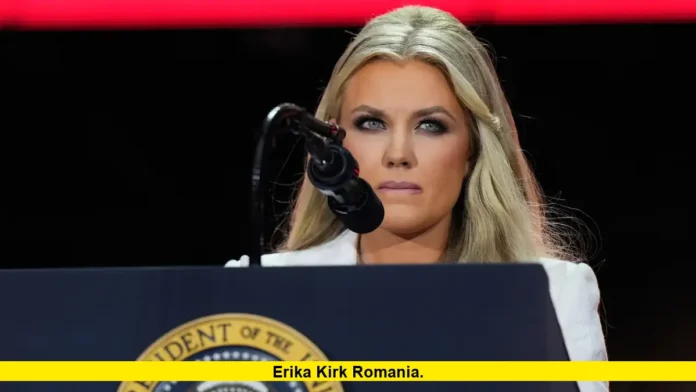

The phrase Erika Kirk Romania has surged into headlines recently after online rumors claimed that her ministry, known as “Romanian Angels,” was linked to child trafficking or unauthorized adoptions. However, after reviewing the available information, there is no verifiable evidence confirming these claims. Instead, what remains is a swirl of speculation on social platforms, with no legal or government confirmation to back it up.
The Rumors Around Romanian Angels
The controversy started when users on social media platforms began suggesting that Erika Kirk’s evangelical outreach in Romania was banned or shut down for suspicious activity. These allegations often center on the idea that Romanian Angels may have been tied to:
- Child trafficking networks
- Illegal adoptions from Romanian orphanages
- A government-ordered closure of the ministry
Despite the intensity of these claims, no documentation, official reports, or legal proceedings have surfaced. Allegations remain unverified, circulating only through speculation rather than concrete proof.
What Is Romanian Angels?
Erika Kirk became known for her faith-based charity work. Romanian Angels was an initiative under her nonprofit efforts, designed to serve Romanian children, particularly in areas facing economic and social hardship. Activities included distributing holiday gifts, providing aid, and hosting spiritual gatherings for youth.
The program earned attention for bringing volunteers from the U.S. into Romania. Many of these activities focused on outreach, not adoption. There is no evidence that Romanian Angels facilitated adoptions or moved children outside of Romania.
Addressing the Banning Claims
One of the most persistent rumors is that Erika Kirk was banned from entering Romania, supposedly due to accusations against Romanian Angels. Yet no government records, immigration alerts, or public notices confirm such a ban.
In cases where bans exist, they are usually documented by state authorities, especially when involving alleged crimes as serious as trafficking. The absence of such records strongly suggests that this claim is not credible.
Read Also-Erika Kirk Speech Signals Strength and Continuity After Husband’s Assassination
Why the Allegations Resurface
Several factors explain why these stories about Erika Kirk Romania resurface:
- Her public profile has grown. With Kirk stepping into prominent leadership roles in U.S. conservative movements, her past charity work has come under sharper scrutiny.
- Romania’s real struggles with trafficking. Romania has long battled human trafficking issues. This unfortunate reality sometimes fuels suspicion toward foreign charities, even when not warranted.
- The viral nature of rumors. Social platforms amplify speculation quickly, often without waiting for fact-checking or verification.
- Echo chambers. Once a claim is repeated enough, it can appear credible even when no hard proof exists.
No Evidence of Adoptions
One central allegation is that Romanian Angels facilitated child adoptions, some supposedly unauthorized. But adoption in Romania is a heavily regulated process. Foreign adoptions from Romania have been highly restricted since 2004, following international scrutiny.
If Romanian Angels had attempted to move children out of the country, there would almost certainly be an official trail. No such records exist. This strongly reinforces the conclusion that adoptions never occurred through Erika Kirk’s ministry.
Separating Fact from Fiction
To clarify:
- No proof exists that Erika Kirk or Romanian Angels were involved in trafficking.
- No adoption records link her ministry to removing children from Romania.
- No government bans have been documented against her.
- No legal proceedings have been filed in Romania or the U.S. related to these allegations.
What remains is largely rumor, speculation, and conspiracy chatter, with no official evidence.
Why This Matters
Accusations of trafficking or child exploitation are among the most serious claims possible. They demand equally serious evidence—court filings, police investigations, witness testimony, or verified government statements. Without this, repeating the allegations only spreads misinformation.
For Erika Kirk, the association between her name and Romania now exists in the public debate, but so far, the available evidence points to a lack of substantiation.
Looking Ahead
The controversy over Erika Kirk Romania highlights the challenge of separating truth from rumor in the digital age. As her public presence continues to grow, it’s likely that scrutiny of her past will also intensify.
Until verifiable documentation emerges, the fairest assessment is that the Romanian Angels program was a charitable initiative—not a trafficking operation. Allegations remain unproven, and many of the most sensational claims appear to be based more on speculation than fact.
Final Thoughts
The story of Erika Kirk Romania serves as a reminder that while rumors can spread fast, facts take longer to verify. At present, there is no evidence linking Erika Kirk or her Romanian Angels ministry to child trafficking or adoption schemes. Readers are encouraged to question viral claims and look for solid proof before drawing conclusions.
What do you think about the way unverified allegations spread online? Share your thoughts below.