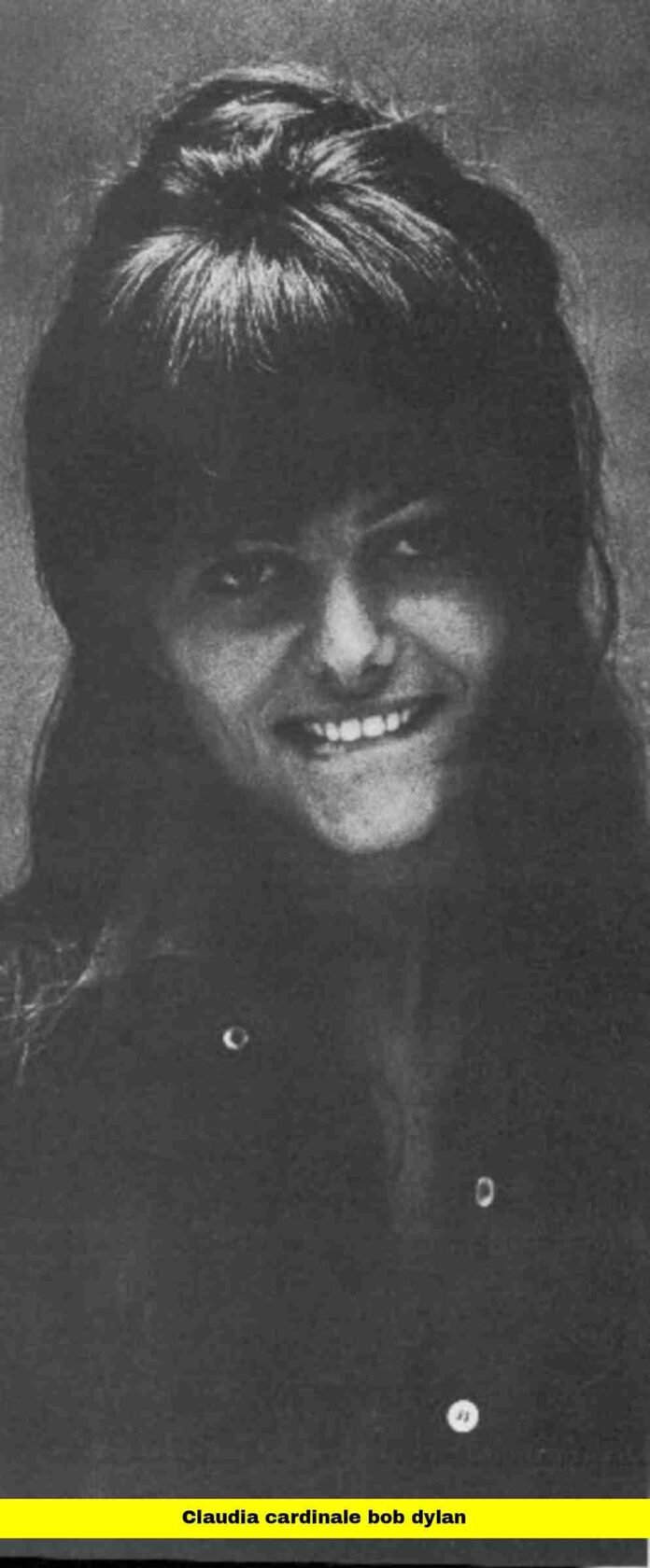

Claudia Cardinale Bob Dylan is a phrase many fans of cinema and music are revisiting after the recent passing of Italian screen legend Claudia Cardinale in September 2025. While her career spanned decades and included unforgettable roles in European and Hollywood cinema, her surprising link to Bob Dylan’s iconic album Blonde on Blonde continues to spark curiosity.
The story of how Claudia Cardinale’s photo found its way into Dylan’s album artwork—without her consent—has become a point of fascination for collectors, historians, and pop-culture enthusiasts alike. Let’s explore how this unexpected crossover happened, why it matters, and what it tells us about the worlds of music, cinema, and cultural memory.
Claudia Cardinale: The Star of Italian and World Cinema
Claudia Cardinale was born in Tunis in 1938 to Sicilian parents. A beauty pageant win first launched her into the spotlight, but it was her natural screen presence that made her a household name.
By the early 1960s, she was at the center of Italy’s cinematic golden age:
- Federico Fellini’s 8½ (1963): A surreal exploration of creativity where Cardinale played a muse-like figure, cementing her international reputation.
- Luchino Visconti’s The Leopard (1963): An epic historical drama where she starred opposite Burt Lancaster and Alain Delon.
- Sergio Leone’s Once Upon a Time in the West (1968): One of the greatest Westerns ever made, with Cardinale as the resilient heroine Jill McBain.
Cardinale’s career included more than a hundred films, spanning Italian, French, and American productions. She was not just a cinematic beauty but also a versatile actress who sought roles that challenged stereotypes.
Bob Dylan and the Creation of Blonde on Blonde
By 1966, Bob Dylan was at the height of his creative powers. After the groundbreaking Highway 61 Revisited, he recorded Blonde on Blonde, one of the first double albums in rock history.
The album blended surreal lyrics, blues, and folk-rock innovation. Songs like Visions of Johanna, Just Like a Woman, and Sad Eyed Lady of the Lowlands defined a generation. The packaging of the record reflected Dylan’s experimental ethos, with Jerry Schatzberg’s photographs filling the gatefold inner sleeve.
Among those images was one that would later create controversy: a portrait of Claudia Cardinale.
How Claudia Cardinale Ended Up in Dylan’s Album Artwork
Jerry Schatzberg, a renowned fashion and portrait photographer, shot Dylan extensively during this period. For the album’s artwork, Dylan reportedly chose freely from Schatzberg’s photo archives. Somewhere in that collection was an image of Claudia Cardinale.
That photograph was inserted into the gatefold design of the Blonde on Blonde first pressings—placing Cardinale, unknowingly, inside one of the most famous rock albums of the 20th century.
Legal Objection and the Removal of Cardinale’s Photo
Cardinale never gave permission for her photo to appear in the album artwork. When her representatives learned of its inclusion, they immediately raised objections.
Columbia Records, Dylan’s label, quickly complied. Subsequent pressings of Blonde on Blonde omitted her image entirely. This left early versions of the album with the Cardinale photograph as rare, collectible items.
Her swift legal response highlighted the growing importance of image rights—a debate that continues today in an era of digital reproduction and celebrity branding.
The Collector’s Perspective: Why These Albums Are Special
For vinyl enthusiasts, the versions of Blonde on Blonde containing Claudia Cardinale’s photo are among the most intriguing collector’s items in Dylan’s discography.
- First U.S. Pressing (1966): The inner gatefold included Cardinale’s image alongside Dylan’s portraits. These are considered the most valuable.
- European Pressings (1966–1968): Some early international editions carried her photo before it was officially withdrawn.
- Later Reissues: The photo was removed completely, leaving later versions less distinctive in design.
In today’s collector market, sealed first pressings with Cardinale’s image can fetch thousands of dollars. For Dylan fans, it’s not just about rarity—it’s about owning a piece of cultural history where cinema and music collided.
The Broader Meaning of Claudia Cardinale Bob Dylan Connection
Cultural Crossovers Between Music and Film
The Claudia Cardinale Bob Dylan story is more than an odd anecdote. It represents the natural blending of creative worlds during the 1960s. Cinema stars and musicians often shared the same cultural space, influencing fashion, art, and youth identity. Cardinale’s accidental appearance in Dylan’s album artwork is an example of how images and icons traveled freely across mediums.
A Case Study in Image Rights
The controversy also became a cautionary tale for the entertainment industry. Today, every photograph, likeness, and brand is carefully licensed before use. But in the 1960s, when creative freedom often outweighed legal caution, such slip-ups were more common. Cardinale’s firm stand ensured her image was protected and helped shape industry practices going forward.
A Tribute to Cardinale’s Global Influence
That her image was recognizable enough to be placed in Dylan’s album reflects her international appeal. Cardinale was not only a star of Italian cinema—she was a face known around the world, embodying elegance, mystery, and strength.
Fan Reactions and Online Discussions
Discussions about the Claudia Cardinale Bob Dylan connection are active even today. Fans on forums and Reddit often ask:
- “Which pressings of Blonde on Blonde still have Cardinale’s photo?”
- “Was the photo ever restored in later editions?”
- “How much are these rare copies worth now?”
Such conversations reveal the enduring fascination with this cultural crossover, nearly 60 years after it first happened.
Timeline of Events: Claudia Cardinale and Bob Dylan
| Year | Event |
|---|---|
| 1938 | Claudia Cardinale is born in Tunis. |
| Early 1960s | Cardinale rises to international fame with 8½ and The Leopard. |
| 1966 | Bob Dylan releases Blonde on Blonde; Cardinale’s image appears inside first pressings. |
| 1966–67 | Legal objections force Columbia to remove her photograph from reissues. |
| 1968 | Some European pressings still feature the photo before it disappears entirely. |
| 2025 | Following Cardinale’s death, the story resurfaces in global media and collector circles. |
Claudia Cardinale’s Legacy Beyond Dylan
While the Bob Dylan connection is fascinating, it represents only a sliver of Claudia Cardinale’s enduring legacy.
- She starred in more than a hundred films across six decades.
- She worked with some of the greatest directors of world cinema.
- She became a symbol of strength, sophistication, and resilience for women in film.
- She dedicated much of her later life to humanitarian causes, serving as a UNESCO goodwill ambassador.
Her influence went far beyond one photograph in a rock album. Yet that anecdote adds a surprising dimension to her story, enriching her legend as a global icon.
Why the Story Resonates Today
The Claudia Cardinale Bob Dylan story resonates because it is about more than one album or one actress:
- It speaks to the interconnectedness of art, showing how music and cinema overlap.
- It highlights issues of image ownership, still relevant in today’s digital age.
- It preserves a rare collector’s tale, giving fans something tangible to seek and cherish.
As tributes to Claudia Cardinale continue following her passing, this story ensures she will be remembered not only for her screen work but also for a surprising moment in music history.
Final Thoughts
The tale of Claudia Cardinale Bob Dylan captures the magic of cultural collisions. An Italian cinema icon appeared, unknowingly, in one of the greatest American albums of all time. The photo was quickly withdrawn, but the memory of it lives on—treasured by collectors, discussed by fans, and remembered as part of Cardinale’s extraordinary life.
Her passing in 2025 ensures that these stories will be revisited, keeping her legacy alive across film, music, and beyond. Sometimes the smallest details—like a photograph on an album sleeve—carry the biggest echoes in cultural history.
What do you think of this unique connection between Claudia Cardinale and Bob Dylan? Share your thoughts and join the conversation.