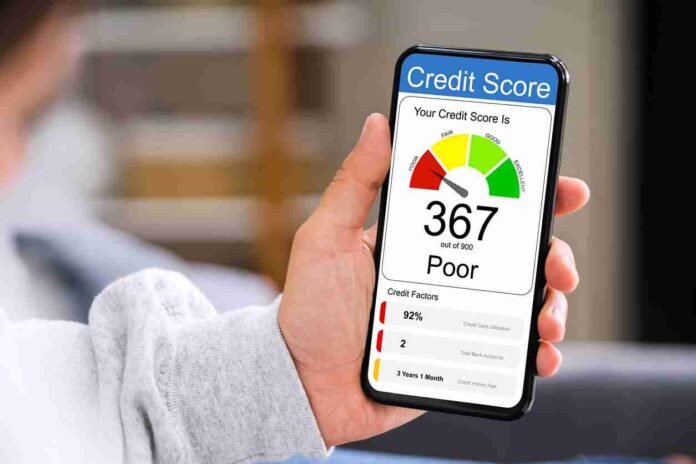

Whats a bad credit score is one of the most common financial questions today, as millions of people face higher borrowing costs and stricter lending rules. In 2025, with average credit scores slipping and delinquencies on the rise, understanding exactly what qualifies as “bad” has never been more important.
Key Points Summary
- A bad credit score is generally below 580 on the FICO scale.
- 580–629 is often considered “fair” or subprime—still risky.
- Around 9% of Americans have extremely poor scores under 550.
- A bad score brings loan rejections, higher rates, and deposit requirements.
- Recovery is possible with on-time payments, low utilization, and smart habits.
What Exactly Counts as a Bad Credit Score?
On the widely used FICO scale of 300 to 850, a “bad” credit score is defined as anything below 580. People in this range are viewed as high-risk borrowers.
- 300–579: Considered “poor” or “bad.”
- 580–629: Considered “fair” or “subprime.”
Another system, VantageScore, labels scores under 550 as “very poor.”
Why Bad Credit Scores Are a Growing Concern
In 2025, the national average credit score has dropped slightly from its recent peak, signaling financial strain. With lending standards tightening, those already in the bad credit zone face:
- Limited loan approvals
- Higher insurance premiums
- Stricter rental requirements
- Larger deposits for utilities and housing
How Many People Struggle With Bad Credit?
Current figures suggest that about 9% of consumers fall below 550, placing them in the “very poor” zone. Another 12–15% are in the fair range (580–629), making nearly a quarter of Americans either struggling or borderline.
The Everyday Consequences of Bad Credit
Having a bad credit score impacts nearly every area of life:
- Loans and Credit Cards: Approvals are rare; when approved, interest rates are much higher.
- Mortgages: Many lenders require higher down payments, or reject applications outright.
- Rentals: Landlords often demand larger security deposits.
- Utilities: Service providers may require upfront deposits.
- Insurance: Auto and home policies may cost significantly more.
- Employment: Certain employers check credit before hiring for financial roles.
Main Causes of a Bad Credit Score
Bad credit does not appear overnight. It typically results from:
- Missed or late payments
- High credit card balances (using over 30% of available credit)
- Collections and charge-offs
- Short or limited credit history
- Frequent credit applications
Each of these can drop a score quickly and keep it down for years.
Comparison of Credit Score Ranges
| FICO Score Range | Category | Impact on Borrowing |
|---|---|---|
| 300–579 | Poor/Bad | Very high risk; approvals extremely rare |
| 580–629 | Fair/Subprime | Possible approvals, but costly terms |
| 630–669 | Average | Limited options, moderate rates |
| 670–739 | Good | Access to most loans with fair terms |
| 740–850 | Very Good/Excellent | Best rates and widest opportunities |
Can You Improve a Bad Credit Score?
Yes, improvement is absolutely possible with steady action:
- Pay all bills on time every month.
- Keep balances under 30% of credit limits.
- Dispute errors on your credit report.
- Build history with secured credit cards.
- Avoid multiple credit applications.
With discipline, many people move from “bad” to “fair” in less than a year.
Why 2025 Is Different
This year stands out because:
- Delinquencies are rising across all income groups.
- Average scores are slipping, reversing years of steady growth.
- Lenders are stricter, meaning sub-600 scores are penalized more heavily.
For those in the “bad” range, these changes make rebuilding more urgent.
Stories Behind the Numbers
People with scores below 580 often face major life delays. Some are unable to qualify for car loans, while others secure mortgages only with higher down payments and higher rates. These stories show that a bad credit score isn’t the end—it simply makes financial progress slower and more expensive.
Practical Steps to Escape the Bad Credit Zone
- Set reminders for all payments.
- Reduce balances on revolving credit.
- Negotiate with creditors for payment plans.
- Limit new applications to avoid hard inquiries.
- Track your score monthly to see progress.
Over time, these simple habits create lasting improvement.
Final Thoughts
Knowing whats a bad credit score helps you understand where you stand and how lenders view you. Falling into the poor or subprime category can feel overwhelming, but it’s not permanent. With consistent effort, you can rise above the bad credit label and open the door to stronger financial opportunities.
What are your own experiences with improving credit? Share your story and inspire others on the same journey.
FAQ
Q1: Is 600 considered a bad credit score?
Yes, 600 is generally considered subprime and still risky in the eyes of lenders.
Q2: How long does it take to recover from bad credit?
It depends, but with disciplined payments and low balances, progress can be seen in 6–12 months.
Q3: Can paying off debt improve a bad score quickly?
Yes, lowering balances often boosts scores significantly within a few months.
Disclaimer: This article is for informational purposes only and does not constitute financial advice. Individual circumstances vary, and you should consult a qualified advisor before making decisions.