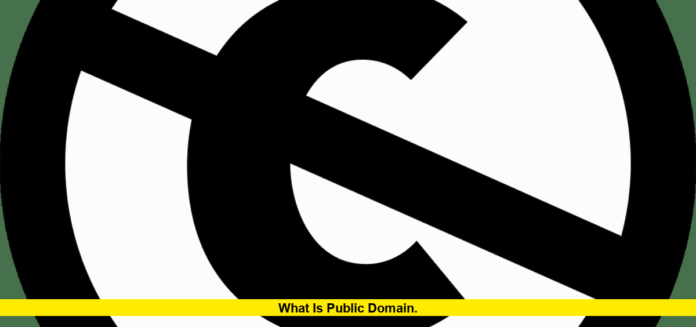

What is public domain? This question has gained major attention in 2025 as a wave of iconic works entered the public domain in the United States. On January 1, 2025, a wide range of literature, films, music, and even comic book characters became freely available for anyone to use, adapt, and share without seeking permission or paying royalties. This annual expansion is celebrated worldwide as it opens the door to new creative opportunities, cultural preservation, and free public access.
This year’s list of newly available works is especially exciting. Famous novels like Ernest Hemingway’s A Farewell to Arms and William Faulkner’s The Sound and the Fury are now public domain. In film, Alfred Hitchcock’s early thriller Blackmail and Walt Disney’s The Karnival Kid are among the classics that can be enjoyed and reused by anyone. Even music history was reshaped as timeless songs like “Singin’ in the Rain,” Cole Porter’s classics, and Gershwin’s Rhapsody in Blue performance joined the public domain. For fans of comics, beloved characters like Popeye and Tintin saw their earliest versions enter the public domain, sparking both nostalgia and excitement for future adaptations.
Why the 2025 Public Domain Expansion Matters
The arrival of such high-profile works into the public domain carries several key benefits:
- Creative freedom: Writers, filmmakers, and musicians can build new projects inspired by classic works without legal barriers.
- Educational use: Teachers and students gain free access to literature, films, and music that were once locked behind copyright restrictions.
- Cultural preservation: By circulating freely, these works reach new audiences and remain relevant for generations.
- Cost savings: Publishers, creators, and institutions avoid licensing fees, making it easier to distribute and adapt content.
The sheer variety of works in 2025 demonstrates how the public domain continues to shape culture in meaningful ways.
What Is Public Domain? A Simple Definition
To fully understand the excitement, it’s essential to answer clearly: what is public domain?
The public domain refers to creative works not protected by intellectual property laws. Anyone can use them without permission. A work may enter the public domain in several ways:
- Its copyright has expired after a fixed term.
- The creator waived or forfeited their rights.
- The work was never eligible for copyright protection.
- It was deliberately dedicated to the public domain.
This concept ensures that culture does not remain locked away forever. Instead, creative material eventually becomes part of humanity’s shared heritage, available for all to use, reinterpret, and expand upon.
Highlights of 2025’s Public Domain Additions
This year marks a particularly important milestone because of the famous works that became available. Some notable highlights include:
- Literature: Ernest Hemingway’s A Farewell to Arms, William Faulkner’s The Sound and the Fury, Virginia Woolf’s A Room of One’s Own, and John Steinbeck’s A Cup of Gold.
- Film: Alfred Hitchcock’s Blackmail, Walt Disney’s The Karnival Kid, and the Marx Brothers’ The Cocoanuts.
- Music: “Singin’ in the Rain,” Cole Porter compositions, and George Gershwin’s own performance of Rhapsody in Blue.
- Comics: Early Popeye strips and Tintin’s 1929 adventures.
These additions mean that modern creators can adapt a Hemingway novel into a play, remix Gershwin into a new song, or use Disney’s early animation style without risk of infringement.
The Legal and Cultural Impact
When discussing what is public domain, it’s important to remember that only certain versions of works are free. For example, Popeye’s earliest newspaper strips are available, but his later traits—like gaining super strength from spinach—remain copyrighted until their own expiration date. Similarly, Tintin’s 1929 debut is free, but later books still remain under protection.
This partial release highlights the balance between copyright protection and cultural sharing. While copyright law safeguards an author’s income during their lifetime and beyond, public domain ensures those works eventually become open to all.
Globally, the situation is more complex. Different countries apply different copyright terms, so what is public domain in one country may still be restricted elsewhere. Nevertheless, the United States’ annual release on January 1, often called Public Domain Day, remains a major event that fuels worldwide discussions on access and creativity.
Benefits for Today’s Creators
The newly expanded public domain provides countless opportunities:
- Writers can retell Hemingway’s stories in modern settings.
- Filmmakers can use Hitchcock’s early film techniques in documentaries.
- Musicians can sample Gershwin and Porter without worrying about licensing.
- Educators can share Faulkner’s writing with students for free.
The public domain not only honors the past but also fuels innovation for the future.
Read also-How Long Does Copyright Protection Last?
Quick Reference: 2025 Public Domain Entries
| Category | Examples |
|---|---|
| Literature | A Farewell to Arms, The Sound and the Fury |
| Film | Blackmail, The Karnival Kid, The Cocoanuts |
| Music | “Singin’ in the Rain,” Cole Porter songs, Rhapsody in Blue performance |
| Comics | Early Popeye strips, Tintin’s 1929 debut |
Looking Ahead
Each new year brings another wave of cultural treasures into the public domain. With every expansion, the boundary between past and present blurs, giving modern creators the tools to keep classic stories alive. The works of 2025 will likely inspire adaptations, remixes, and reimaginings across film, publishing, music, and digital media.
Understanding what is public domain isn’t just about legal terms—it’s about recognizing the power of shared creativity. This year proves once again that culture belongs to everyone once its protections expire, ensuring the stories of yesterday can inspire the innovations of tomorrow.
As more great works join the public domain in the years ahead, the possibilities for artists, educators, and audiences will only continue to grow. Which of these 2025 classics are you most excited to see reborn? Share your thoughts below!
FAQ
Q1: What happens when a work enters the public domain?
It becomes free for anyone to use, copy, adapt, or share without paying royalties or asking permission.
Q2: Do all versions of a character become free at once?
No, only the earliest versions. Later developments stay under copyright until their own term ends.
Q3: Is public domain the same in every country?
No. Copyright laws vary worldwide, so a work may be free in one region but still protected elsewhere.