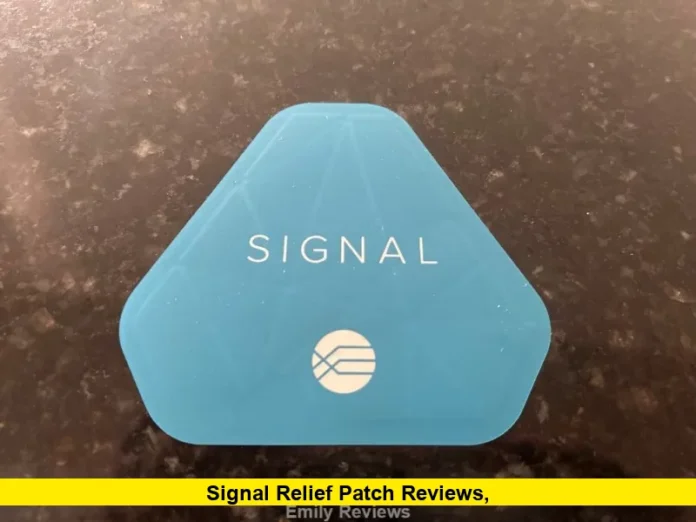

Signal Relief Patch Reviews continue to draw strong interest from U.S. buyers seeking drug-free options for everyday aches. Recent company data and independent checks show mixed real-world results alongside a 2025 company-sponsored study.
What the Signal Relief Patch Is
The Signal Relief Patch is a reusable, thin, flexible patch sold as a general wellness product. Users place it on or near areas of musculoskeletal discomfort such as the lower back, knee, shoulder, or hip. The patch contains no medication, batteries, or wires. It relies on patent-pending micro-antenna technology that the maker describes as thousands of microscopic antennas working with the body’s natural electrical signals. Nothing enters the body. The product is not a TENS unit.
Current pricing on the official site lists the single 4.5-inch patch at $143.20, down from a regular price of $179. Bundles and related items such as the Signal Core back system carry higher prices. The company promotes a 45-day money-back guarantee and a one-year product warranty. Replacement adhesives are sold separately. The patch is marketed as lasting many months with proper care.
How the Technology Is Described
Company materials state that the patch quiets excess nerve signals linked to discomfort so the body can move out of an “alarm” state. The design uses layers that include nano-scale elements. Manufacturing claims include U.S. production. Independent descriptions note that similar nano-capacitor technology has been licensed to other brands. The company emphasizes that the product adds nothing to the body and produces no electrical current of its own.
2025 Study Results
A white paper released in August 2025 by a medical advisor to the parent company summarized a double-blind, placebo-controlled evaluation involving 112 adults with chronic back or knee pain. Ninety-one participants received the active patch and 21 received a placebo. Pain was measured with the Brief Pain Inventory at baseline, 15 minutes, 6 hours, 24 hours, and 72 hours.
The active group showed an average 42 percent pain reduction. The placebo group showed 34 percent. For the knee subgroup the active patch averaged 45 percent reduction. Seventy-one percent of those using the active patch reported some reduction within 15 minutes. Ninety-eight percent reported relief at some point within 72 hours. No adverse events were recorded. The paper notes the need for further research. ConsumerLab reviewed available evidence in January 2026 and described the support for claimed benefits as weak.
User Experiences and Reviews
Company website testimonials from verified buyers in 2026 frequently describe noticeable relief for chronic shoulder, neck, back, and hip discomfort. Several users report purchasing additional patches for family members and continuing use for months. Comments often mention the absence of chemicals and the ability to wear the patch during daily activity.
Independent platforms present a more divided picture. Trustpilot shows a 3.1 average from a small number of reviews, with recent 2026 comments calling the product ineffective or a waste of money and citing adhesive problems. Better Business Bureau records list the company as not accredited. Complaints over the past three years include reports of limited or no relief, difficulties obtaining full refunds, and adhesive failures. Some complaints note that the product did not meet expectations for active lifestyles. Positive anecdotes appear in scattered online discussions, but negative feedback focuses on inconsistent results and return process friction.
Regulatory Status and Consumer Considerations
The Signal Relief Patch is not FDA-cleared or approved as a medical device for treating pain or any specific condition. The company states it is a general wellness product and does not claim to diagnose, treat, or cure disease. It may qualify for HSA or FSA reimbursement with a Letter of Medical Necessity from a healthcare provider. Users with diabetes, circulatory issues, skin conditions, implantable devices, or pregnancy are advised to consult a physician first. The product is not for internal use.
Pros and Cons from Available Information
- Reusable design that can last many months reduces ongoing cost compared with disposable patches.
- No drugs or electricity enter the body.
- Some users and the 2025 study report reductions in reported discomfort.
- 45-day return window and one-year warranty are offered.
- Results vary widely; many independent reviews report little or no benefit.
- Evidence remains limited; the difference versus placebo in the largest available study was modest.
- Adhesive performance draws mixed comments.
- Refund experiences have generated complaints on consumer sites.
- Higher upfront cost than many over-the-counter options.
Current Market Context
As of October 2026 the company reports hundreds of thousands of customers and continues to offer the original patch along with specialized versions for back and foot use. Related research listings appear on ClinicalTrials.gov for versions aimed at other discomfort types. Independent evaluators continue to note the gap between company-sponsored findings and broader clinical standards.
Individuals evaluating Signal Relief Patch Reviews should weigh personal tolerance for variable results against the available guarantee period. Results depend on placement, individual physiology, and expectations. Consultation with a healthcare professional remains advisable before trying any new approach to persistent discomfort.
Have you tried the Signal Relief Patch or compared it with other drug-free options? Share your experience in the comments so others can learn from real results.