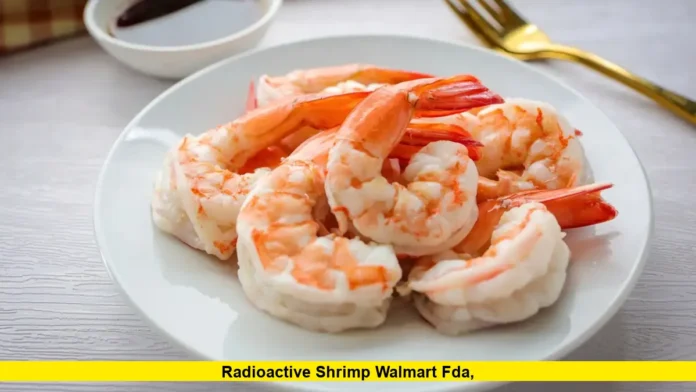

Concerns about food safety took center stage this week after reports surfaced linking radioactive shrimp Walmart FDA into online searches and headlines. The unusual phrase emerged due to public worries about imported seafood safety, the involvement of federal regulators, and allegations circulating on social media regarding contaminated shrimp products. As of today, the U.S. Food and Drug Administration (FDA) and Walmart have both been forced to address consumer anxieties, with food safety experts weighing in on whether Americans should be worried.
How the Controversy Started
The issue began when consumer reports and social media posts claimed that imported shrimp sold at major retailers, including Walmart, could contain unsafe contamination levels. Much of the discussion centered around the possibility of “radioactive” contamination stemming from seafood harvested near industrial sites overseas. Viral videos on TikTok and YouTube intensified fears by showing supposed “tests” of glowing shrimp samples, though most of these clips lacked scientific verification.
The FDA confirmed it is actively monitoring and testing shrimp imports, as it does for other seafood. In response to the growing attention, Walmart released a statement emphasizing that all of its shrimp products are FDA-approved, rigorously tested, and meet federal safety standards.
FDA’s Role in Shrimp Safety
The FDA plays a central role in regulating all imported shrimp, which accounts for approximately 90% of U.S. consumption. Standard testing already checks for:
- Chemical residue, including antibiotics
- Heavy metals and toxins
- Radiological contaminants if products originate from regions flagged for potential exposure
While the term radioactive shrimp Walmart FDA may grab attention, experts stress that there is no verified evidence showing widespread radiation contamination in shrimp sold on U.S. shelves today. Still, the FDA is stepping up testing on certain imports following the public demand for stricter oversight.
Walmart’s Response to Consumer Concerns
Walmart, one of the nation’s top retail sellers of frozen shrimp, responded swiftly after the controversy made headlines. The retailer stated that:
- Its suppliers must prove compliance with FDA import safety rules.
- Random batch testing occurs before products are approved for distribution.
- Any supplier flagged for violations is immediately suspended.
Walmart’s official stance aims to regain shopper trust, but the viral spread of the radioactive shrimp story has already influenced consumer perception. Shoppers at some stores have reported avoiding the seafood aisle until more clarity emerges.
Fact-Checking the Radiation Claims
So far, independent testing from food safety labs and watchdog groups has not supported the “radioactive shrimp” claims. Investigations into viral videos show that many demonstrations online were either exaggerated, manipulated, or taken out of context. Radiation experts add that seafood sold in the United States undergoes multiple safety checks, making the likelihood of radioactive shrimp contamination extremely low.
However, the conversation highlights a recurring issue: misinformation can travel faster than regulatory agencies are able to respond. In this case, the combination of Walmart’s scale and the FDA’s enforcement role created a perfect storm for speculation.
What Shoppers Should Know
If you’re concerned about whether the shrimp in your freezer is safe, here are practical steps you can take:
- Check the packaging: Look for FDA inspection codes and country of origin labels.
- Follow FDA updates: The agency posts recalled products on its official website.
- Buy from trusted sources: Large retailers like Walmart implement stricter supplier checks compared to smaller, unregulated outlets.
- Proper storage and handling: Even safe shrimp can pose risks if stored incorrectly, so always follow refrigeration guidelines.
Broader Implications for Food Safety
The radioactive shrimp Walmart FDA debate brings attention to a larger conversation about America’s reliance on imported seafood. More than $6 billion worth of shrimp enters the U.S. annually, much of it from countries with different environmental regulations. This raises valid questions about how effectively the FDA can monitor such vast supply chains.
Food policy experts are now urging for increased transparency, including public reports of radiation testing results, to counter misinformation quickly. Meanwhile, consumer advocacy groups argue that the publicity—though sparked by unverified claims—may push regulators and retailers to further enhance safety.
Final Thoughts
While the phrase “radioactive shrimp Walmart FDA” may sound alarming, current evidence shows no confirmed cases of dangerous radiation in shrimp sold at Walmart stores or elsewhere in the U.S. Still, the controversy underscores how quickly consumer concerns about food safety can spiral online. Keeping informed through official FDA updates and relying on verified information remains the best approach.
What do you think—has this changed how you shop for shrimp and seafood? Share your thoughts below and join the discussion.