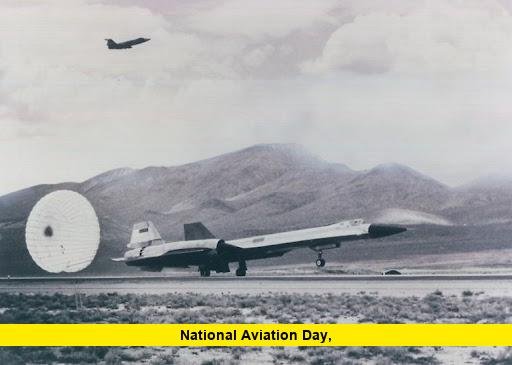

National Aviation Day is being marked across the United States on August 19, 2024, with a spotlight on innovation, sustainability, and education in the aviation industry. Established in 1939 by President Franklin D. Roosevelt to honor Orville Wright’s birthday, the day has now become a platform to showcase progress within modern aviation. This year, events and industry updates are emphasizing the shift toward cleaner energy, new technologies, and investments in the future workforce.
Airports, museums, and aviation authorities nationwide are hosting public events honoring both pioneers of flight and the next generation of engineers, pilots, and technicians. The Federal Aviation Administration (FAA) and National Air and Space Museum have announced virtual and in-person programs highlighting breakthroughs in sustainable aviation fuel, electric aircraft, and air traffic innovation.
A National Push for Green Aviation
One of the central themes of National Aviation Day 2024 is sustainability. The White House and U.S. Department of Transportation remain committed to the Sustainable Aviation Fuel (SAF) Grand Challenge, which aims to scale up domestic production of cleaner fuel to 3 billion gallons annually by 2030. Major airlines such as United, Delta, and American are marking the commemorative day by reinforcing their sustainability goals, while research groups continue testing new propulsion systems.
Industry updates include:
- United Airlines announcing expanded SAF agreements with producers across the Midwest.
- NASA continuing flight tests of an all-electric experimental aircraft under its X-57 Maxwell program.
- Boeing and Airbus showcasing progress on aircraft capable of 100% SAF use during demonstrations leading up to the day.
Educational Programs Across the Country
National Aviation Day is also designed to inspire future aviators. Museums from Washington, D.C. to Seattle are offering free events for children and families featuring STEM workshops, flight simulators, and aviation exhibits. The Smithsonian’s National Air and Space Museum has reported strong turnout for its youth-centered programs, where children explore how flight has evolved from the Wright brothers to modern space travel.
Colleges with leading aviation programs, such as Embry‑Riddle Aeronautical University, are holding open houses and career panels today. These institutions are encouraging students to pursue careers in piloting, aerospace engineering, and air traffic control at a time when workforce shortages persist across multiple aviation-related sectors.
Spotlight on Innovation and Safety
On this year’s National Aviation Day, the FAA reiterated its focus on safety and modernization. The agency is rolling out new NextGen technologies that use satellite-based navigation to make air travel more efficient and reduce fuel burn. Meanwhile, drone integration continues to be a hot topic, with new pilot programs exploring how unmanned aircraft systems can safely operate alongside passenger planes.
Experts note that the U.S. is entering a “new era of aviation,” where urban air mobility projects—such as electric vertical takeoff and landing (eVTOL) aircraft—could begin transforming city transportation within the next decade. Companies including Joby Aviation and Archer Aviation are providing public demonstrations this week in connection with the holiday.
Local Celebrations and Public Engagement
Across the country, smaller community airports are hosting fly-ins, where local pilots give families a taste of aviation up close. These grassroots events help connect the industry with the public, sparking excitement about flying and careers in aviation. Social media has also played a major role this year, with hashtags like #NationalAviationDay trending on Instagram and X (formerly Twitter), where users are sharing images from air shows, cockpit tours, and historic aircraft displays.
Why This Day Matters
National Aviation Day is more than just a commemoration of history—it is a reminder of how aviation continues to shape modern society. From global trade and tourism to climate action and aerospace exploration, the industry is a driving force behind innovation. The day provides an opportunity not only to honor Orville Wright but also to chart a course for the future of flight.
Final Thoughts
As National Aviation Day 2024 unfolds, it is clear that the industry is balancing tradition with transformation. From sustainable fuels to futuristic aircraft, aviation is undergoing remarkable changes that will impact generations to come. Whether you joined an air show, visited a museum display, or simply reflected on the wonder of flight, this day is a reminder of how far we’ve journeyed—and where the next horizon may lead.
What are your favorite ways to celebrate the spirit of aviation? Share your thoughts in the comments below and keep the conversation flying.