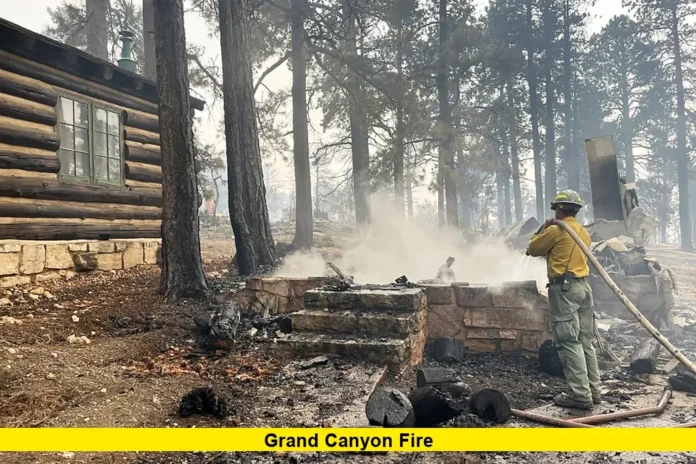

The grand canyon fire continues to escalate, having become one of the largest wildfires in the continental U.S. This devastating blaze, officially named the Dragon Bravo fire, began from a lightning strike on July 4 and has since consumed over 114,000 acres of forest and parkland under searing, dry conditions.
Park rangers and more than 1,200 firefighters are engaged nonstop, battling the relentless flames that have ravaged much of the iconic North Rim. As of this weekend, containment remains slow—just 11%—due to high winds, scant rainfall, and soaring temperatures. The North Rim, a favorite destination for its sweeping views and quieter trails, has been closed for the rest of the 2025 season, leaving summer travelers to adjust their plans and locals bracing for a long recovery.
The fire’s impact is severe, with the historic Grand Canyon Lodge and Visitor’s Center now destroyed. Nearly 70 buildings have been lost, and flames continue to threaten rare ecosystems and the watersheds of Bright Angel Creek, North Canyon, Saddle, and more. Some inner canyon trails remain shut due to heavy smoke, ash, and ongoing danger. Officials emphasize that charred slopes are especially prone to flash flooding in coming monsoon rains, prompting further safety warnings.
Fire officials and meteorologists cite one of the driest monsoon seasons in decades as a major contributing factor. Normally by August, seasonal storms deliver much-needed moisture, but this year has seen unusually little rainfall. Fire behavior experts warn that unless rain arrives soon, Dragon Bravo is likely to keep growing, potentially threatening additional park infrastructure and delicate habitats.
Key impacts and developments:
- Over 114,000 acres burned; fire doubled its footprint in just days.
- North Rim closed through 2025; Ash and smoke visible for miles.
- Historic Grand Canyon Lodge and Visitor’s Center destroyed.
- 9% to 11% containment despite tenacious firefighting efforts.
- Fire has created its own weather, with “fire clouds” and erratic winds.
- Several endangered California condors and other wildlife relocated out of harm’s way.
- Upcoming monsoon storms could both help douse flames and create new flooding risks.
Recovery and containment will take months, and the fire’s toll on ancient forests and the Grand Canyon community is already profound. Experts and local officials urge anyone near affected areas to remain vigilant and heed all evacuation and closure notices. The Dragon Bravo fire is a reminder of the growing wildfire risk the Southwest faces during ever-hotter summers and unpredictable rainfall patterns.
As the situation develops, crews remain determined and residents hopeful that the worst can soon be brought under control. Have you been affected by the fire or have updates from the area? Your insights and experiences are welcome below—join the conversation and help keep your community informed.