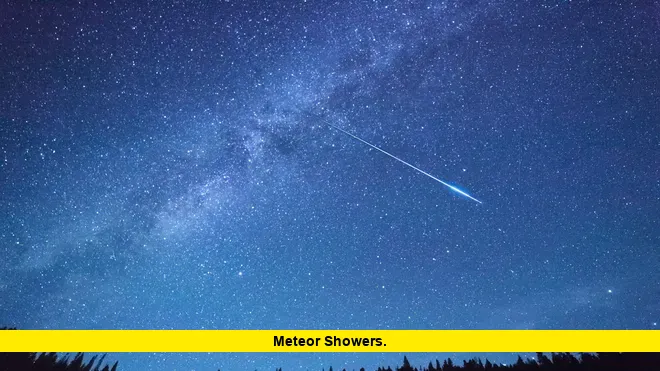

Meteor showers are lighting up the night sky this week with a dazzling double display that you won’t want to miss. The Southern Delta Aquariids and Alpha Capricornids are both reaching their peak, creating the perfect opportunity for stargazers to witness up to 25 shooting stars per hour—well before the more famous Perseids arrive in August.
This celestial event is happening under nearly ideal conditions. With the moon currently in its crescent phase and only about 25% illuminated, the skies will remain dark enough to enhance visibility. If you’re hoping to catch the show, the nights of July 29 and July 30 are your best bet.
What’s Happening in the Sky?
Two meteor showers are overlapping this week, providing skywatchers with a rare opportunity:
- Southern Delta Aquariids: Known for their steady, faint streaks of light, this shower produces up to 20 meteors per hour. The radiant lies in the Aquarius constellation, which rises in the southeast during the late evening.
- Alpha Capricornids: Though less frequent with around 5–10 meteors per hour, this shower is famous for producing bright fireballs—large, glowing meteors that can leave glowing trails.
Together, these showers are creating a show that could rival or even outshine the Perseids this year, especially considering that the moon will be nearly full during the Perseids’ mid-August peak, which will limit visibility at that time.
Viewing Tips for Maximum Impact
If you’re planning to watch, follow these tips to make the most of your night under the stars:
- Best Time to Watch: After midnight and before dawn, when the skies are darkest and the meteor activity is strongest.
- Location Matters: Find a dark spot away from city lights—ideally a rural area or high elevation where skies are clearer.
- No Equipment Needed: Meteors can be seen with the naked eye. Binoculars or telescopes are not recommended since they narrow your field of view.
- Comfort First: Bring a reclining chair or blanket, wear warm clothing, and give your eyes about 20–30 minutes to adjust to the dark.
Why This Week May Beat the Perseids
While many people wait for the August Perseid meteor shower, this week’s event may offer better viewing. The Perseids are brighter and more prolific in general, but this year, their peak coincides with a bright moon, which could wash out many of the fainter meteors. In contrast, this week’s meteor showers occur under a dark sky with little moonlight interference.
Where to Look
Both meteor showers will appear to radiate from the southern sky. Southern Delta Aquariids come from Aquarius, and Alpha Capricornids from Capricornus. But don’t fixate on the radiant point—meteors can appear across the entire sky, so it’s best to lie back and take in as much of the horizon as possible.
Weather Check
Clear skies are essential for a good meteor-watching experience. Be sure to check your local forecast before heading out. Even partial cloud cover can significantly reduce your chances of spotting meteors.
Whether you’re an amateur astronomer or simply someone who enjoys nature’s wonders, this week is your chance to witness a brilliant meteor shower event before the Perseids dominate the headlines. Don’t miss out—step outside, look up, and enjoy the show the universe is putting on for free.