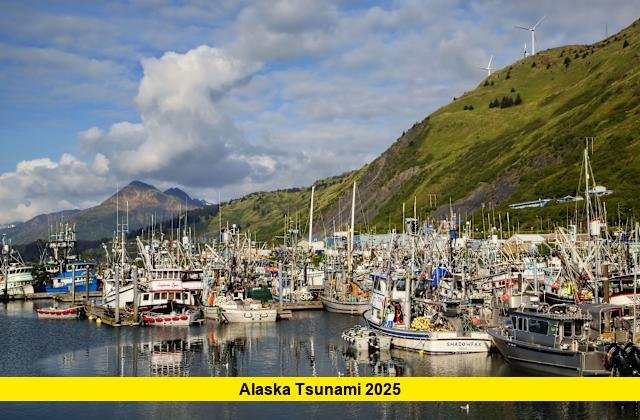

A major earthquake on July 16, 2025, has once again pushed Alaska’s coastal residents to confront the dangers associated with the alaska tsunami 2025 event. The quake, which struck just offshore near Sand Point, set off alarms and warnings across the southern coastline, triggering a rapid, large-scale emergency response.
Earthquake and Tsunami Warning Shake Alaska Peninsula
On Wednesday afternoon, a magnitude 7.3 earthquake rattled communities like Sand Point, Cold Bay, and Kodiak. The epicenter was recorded about 55 miles south of Sand Point, at a depth of 12–22 miles beneath the Pacific Ocean. The seismic activity was strong enough to cause items to fall from shelves and left residents deeply unsettled, though no major damage was reported.
The U.S. Tsunami Warning Center issued an immediate tsunami warning for a 700-mile stretch of Alaska’s southern coast, from Kennedy Entrance (near Homer) to Unimak Pass. Sirens wailed in affected cities, with officials urging residents to evacuate low-lying areas and head for higher ground. Shelters were quickly opened in cities like Kodiak, where emergency protocols moved into action.
Alaska Tsunami 2025: Key Points Summary
- Magnitude of 7.3 recorded at 12:37 PM Alaska time
- Epicenter located offshore near Sand Point, Alaska Peninsula
- Tsunami warning issued, later downgraded to advisory
- Impacted areas include Sand Point, Cold Bay, Kodiak, Homer, Unalaska, King Cove
- Rapid evacuations conducted with sirens activated and shelters prepared
- No significant structural damage reported so far
- Warnings have been canceled, though aftershocks continue
Evacuations and Community Response
As alarms sounded, thousands moved swiftly to safety. In King Cove and Kodiak, evacuation routes filled with people heading away from the coast. Emergency teams communicated via social media to ensure everyone remained vigilant, even after the initial warning was reduced to an advisory.
Many residents described the earthquake as the most intense they had felt, with heavy shaking and household items scattered. Despite the scare, the Alaska tsunami 2025 event resulted in no widespread flooding. Experts note that, in similar scenarios, communities may have just minutes to act if a dangerous wave is triggered.
Aftershocks and Ongoing Alertness
Following the main shock, over 40 aftershocks were recorded within hours, with the strongest reaching magnitude 5.2. The seismic sequence, according to the USGS, indicates increased tectonic activity for this region. The National Tsunami Warning Center and state agencies urged everyone near the coast to stay informed and prepared for further events.
Tsunami Safety Reminders for Alaska Residents
- Know your local evacuation routes
- Recognize natural signs such as sudden changes in coastal water levels
- Respond immediately to official warnings and sirens
- Keep an emergency kit ready at home
Looking Forward: Alaska Tsunami 2025 in Context
The alaska tsunami 2025 warnings underscore how critical preparedness is for those living near the Aleutian and Alaska Peninsula fault zones. Recent years have shown repeated, powerful seismic events in this area, marking it as an ongoing zone of risk and vigilance for all Alaskans.
Communities have once again proven resilient and cooperative in the face of natural threats. Local and national agencies continue regular drills and updates to tsunami preparedness plans, ensuring ongoing safety during future emergencies.
If you experienced the earthquake or have thoughts on community preparedness, join the conversation below and share how your neighborhood responded.