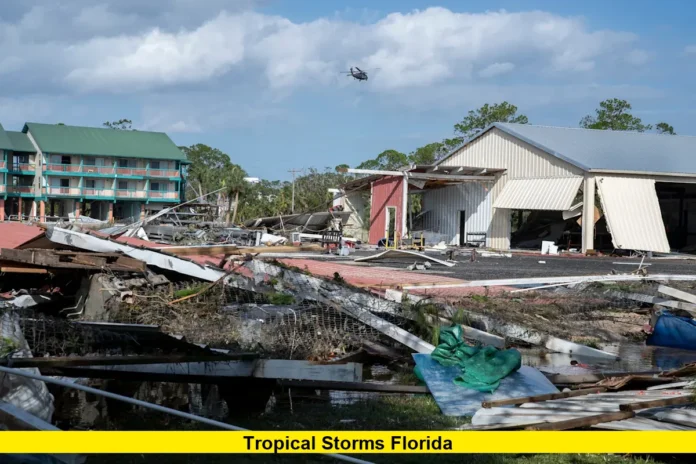

The tropical storms Florida experienced during the Fourth of July weekend continue to dominate weather patterns across the state, bringing persistent rainfall and elevated risks through mid-July 2025. Heavy rainfall is possible over portions of the Florida Peninsula and southeast U.S. coast through mid to late next week, according to meteorologists monitoring the ongoing tropical activity.
Recent developments show that Florida remains under the influence of tropical weather patterns that have produced significant rainfall accumulations. Lightning strikes St. Augustine Beach Pier on 7/12/2025, highlighting the intensity of storms moving through the region.
Current Weather Conditions Across Florida
Multiple weather systems continue to impact Florida, with the National Hurricane Center closely monitoring tropical development opportunities. Atlantic coast of northern Florida is producing disorganized showers and thunderstorms across portions of the southeastern United States, northwestern Bahamas and adjacent Atlantic waters.
The state has experienced rounds of heavy thunderstorms since early July. During the holiday weekend, some areas in Florida could see up to 6 inches of rain by the end of the holiday weekend, creating flash flooding concerns in vulnerable areas.
Tropical Storm Development Patterns
The 2025 Atlantic hurricane season started with Andrea and Barry in late June, both short-lived systems. Andrea kicked off the season on June 24, with Barry following on June 29, both lasting less than a day. The next named storm would be Chantal according to the official list.
Weather experts note that warm waters along the eastern Gulf and southern Atlantic coasts of the United States could help fuel the next tropical depression or storm of the 2025 hurricane season. This creates ongoing potential for tropical storms Florida residents must monitor closely.
Key Points Summary
- Tropical weather patterns continue affecting Florida through mid-July
- Heavy rainfall accumulations pose ongoing flood risks
- Lightning strikes and severe thunderstorms remain active concerns
- National Hurricane Center monitors potential tropical development
- Next named storm would be Chantal if formation occurs
Forecast Implications for Florida Residents
The persistent tropical moisture creates several hazards beyond just rainfall. In addition to the heavy rainfall, waterspouts have been reported, and storms have produced damaging wind gusts – threats that will persist throughout the duration of the event.
Hurricane season forecasters have adjusted their predictions for the remainder of 2025. His team gives a 48% probability of a hurricane making landfall somewhere along the U.S. coastline this year, a few points above the 43% historical average after July 8.
Tropical Storms Florida: Safety Preparations
The National Weather Service emphasizes preparedness during this active period. Florida’s geography makes it particularly vulnerable to tropical systems, whether they reach named storm status or remain as tropical disturbances.
As a stalling cold front weakens over Florida in the coming days, torrential rain and thunderstorms are likely across the Florida Peninsula through the end of the upcoming weekend. This pattern has created challenging conditions for residents and travelers.
The combination of warm Gulf waters and atmospheric conditions continues supporting tropical development near Florida’s coastline. These systems don’t always need to achieve tropical storm status to create significant impacts through flooding rainfall and severe weather.
Looking Ahead
Weather monitoring remains crucial as Florida navigates through peak hurricane season months. The current tropical storms Florida has experienced represent just the beginning of what forecasters expect to be an active season.
Residents should stay informed about changing weather conditions and maintain emergency preparedness plans. The ongoing tropical activity demonstrates how quickly conditions can change during hurricane season, making continuous weather awareness essential.
Stay connected with local weather services and emergency management for the latest updates on tropical activity affecting your area. Share your storm experiences and preparations in the comments below to help fellow Floridians stay safe during this active weather period.