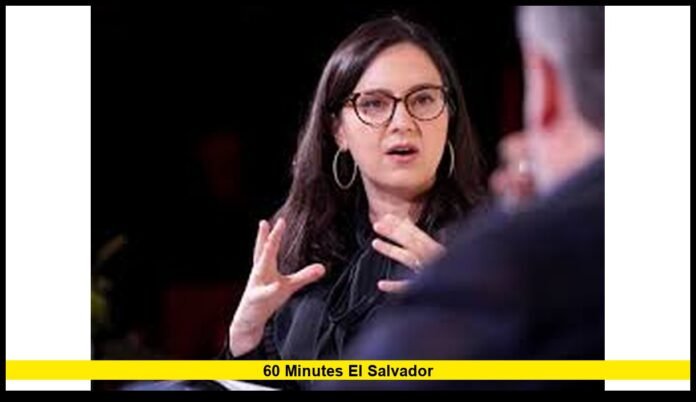

The 60 minutes el salvador controversy moved from a programming change into a full-scale media reckoning after a high-profile investigative segment was removed from the broadcast schedule just hours before airing. What followed was an intense public debate over editorial independence, immigration enforcement, and how far political considerations can reach into American journalism.
For U.S. viewers, the incident was not just about a television show. It became a defining moment that raised serious questions about transparency, accountability, and the role of investigative reporting in a deeply polarized political environment.
The Investigation That Triggered the Storm
The removed segment focused on El Salvador’s Terrorism Confinement Center, commonly known as CECOT. The facility is one of the largest and most restrictive prisons in the Western Hemisphere, built to detain individuals accused of gang involvement during El Salvador’s ongoing state of emergency.
The investigation examined how CECOT has increasingly become connected to U.S. immigration enforcement. Several migrants deported from the United States were transferred into the prison system, placing American policy decisions at the center of an international detention debate.
The report was produced after months of field reporting and internal review. It was scheduled to air during a regular Sunday night broadcast, promoted in advance, and expected to generate national attention.
A Last-Minute Decision With Major Consequences
On the day of the scheduled broadcast, network leadership decided to delay the segment. The announcement came without advance warning to viewers and provided limited explanation beyond stating that the report required further editorial consideration.
Inside the newsroom, the move caused immediate concern. Staff members involved in the investigation believed the story had already met broadcast standards and questioned why new requirements were introduced at the final stage.
The sudden reversal transformed a standard editorial decision into a public controversy, especially given the subject matter involving immigration enforcement and detention practices tied to U.S. policy.
Internal Disagreement Becomes Public
The disagreement did not remain internal for long. The correspondent who led the reporting openly challenged the decision, stating that the investigation had undergone extensive review and warning that postponement weakened the credibility of investigative journalism.
That criticism resonated widely across the media industry. Journalists, producers, and commentators debated whether the delay reflected normal editorial caution or something more concerning.
The situation highlighted the tension between newsroom leadership and investigative teams, particularly when reporting touches politically sensitive ground.
Why the Segment Still Reached Viewers
Although the report did not air domestically, a version of the episode briefly appeared on an international streaming platform. From there, clips circulated online and were widely discussed across social media.
The online appearance made it impossible to contain the story. Viewers were able to see portions of the investigation, including interviews and footage that revealed the prison’s severe conditions.
The leak intensified scrutiny of the decision to pull the segment and underscored how modern distribution makes it difficult for broadcasters to control content once it leaves internal systems.
Conditions Inside CECOT Draw Attention
Public reaction focused heavily on what the investigation revealed about daily life inside CECOT.
Former detainees described:
- Extreme isolation
- Constant surveillance
- Harsh disciplinary practices
- Limited access to legal counsel
The facility operates under strict security protocols, with detainees confined in large communal cells and subjected to rigid routines. Supporters of the prison argue these measures are necessary to control gang violence. Critics say they cross fundamental human rights boundaries.
For U.S. audiences, the revelations were particularly striking because some detainees arrived at CECOT following deportation from the United States.
The Role of U.S. Immigration Policy
The controversy surrounding 60 minutes el salvador intersects directly with American immigration enforcement.
In 2025, the United States expanded cooperation with El Salvador on deportations. Under these arrangements, certain migrants were transferred to Salvadoran custody shortly after removal from the U.S.
Legal advocates questioned whether individuals received sufficient due process before being deported. Courts reviewed several cases involving mistaken removals or disputed gang allegations.
The investigation highlighted how U.S. enforcement decisions do not end at the border and can have lasting consequences abroad.
Political Reactions Across the United States
The pulled segment quickly became a topic of political discussion.
Some lawmakers expressed concern that delaying the investigation sent a chilling message to journalists covering sensitive topics. Others defended the decision, arguing that high-impact reporting must meet the strictest editorial standards.
The divide mirrored broader political polarization in the country, particularly around immigration and media trust.
The episode demonstrated how quickly editorial decisions can be interpreted through a political lens, even when networks insist the choice was procedural.
Media Independence Under Scrutiny
Beyond the specific investigation, the incident sparked renewed focus on press independence.
Key questions emerged:
- How much influence should corporate leadership have over investigative reporting?
- Can flagship news programs maintain autonomy amid ownership and leadership changes?
- Does political pressure shape which stories reach the public?
For a program long associated with rigorous journalism, the controversy marked a rare moment of public doubt.
Digital Media Changes the Power Balance
The partial online release of the segment illustrated a larger reality facing traditional broadcasters.
Once content enters digital systems, control becomes fragile. Viewers no longer rely solely on scheduled broadcasts to access reporting. Clips spread instantly, shaping public opinion before networks can respond.
This shift has forced news organizations to rethink how editorial decisions play out in a global, always-connected media environment.
Public Trust and Viewer Expectations
Trust remains central to the controversy surrounding the 60 minutes el salvador report, and recent reactions have underscored just how fragile that trust can be. Viewers expect investigative journalism to operate independently, especially when it involves scrutiny of government actions, detention practices, and enforcement policy. When a high-profile segment is delayed or altered without a clear explanation from network leadership, many in the audience interpret it as a form of editorial hesitation tied to outside influence rather than standard newsroom judgment. As the fallout continues, social media conversations and viewer feedback have made it clear that audiences are watching not just the content of reports but the decisions behind them.
This heightened scrutiny reflects a broader shift in viewer expectations. Audiences across the United States now engage with news in real time and from multiple platforms, and they demand transparency about how editorial choices are made. When portions of the pulled segment appeared online and spread widely, it reinforced the perception that withholding the broadcast did not protect viewers from the substance of the reporting — it only raised questions about why the network chose to withhold it in the first place.
The reaction to this incident shows that audiences are paying close attention not only to what is reported, but also to who gets to decide what is reported. For many, confidence in investigative journalism is tied directly to a belief that reporters can pursue stories without interference and that leadership will communicate openly about difficult editorial decisions. In the absence of that clarity, viewer trust can erode quickly, and news organizations risk long-term reputational damage even after an eventual broadcast. As the debate continues, networks now face heightened pressure to restore confidence by demonstrating accountability and reinforcing the independence of their reporting operations.
What This Means for Investigative Journalism
The fallout has implications far beyond a single broadcast.
Investigative reporters across the industry are watching closely, concerned about whether similar stories could face resistance if they challenge powerful interests.
At the same time, newsroom leaders argue that caution protects credibility and ensures accuracy.
Balancing these priorities remains one of the most difficult challenges in modern journalism.
What Comes Next
Network officials have stated that the segment is not canceled and may air after further review. However, no timeline has been confirmed.
In the meantime:
- Public discussion continues online and across broadcast media
- Advocacy groups are pressing for transparency around detention practices
- Journalists are debating how editorial authority should be exercised
Regardless of what happens next, the impact of the controversy is already clear.
A Defining Moment for Media Accountability
The 60 minutes el salvador situation has become a touchstone for discussions about press freedom, immigration enforcement, and the responsibilities of major news organizations, and recent developments have only intensified that debate. Following the last-minute removal of the segment, internal dissent within the newsroom surfaced publicly, with journalists raising serious concerns about editorial interference and decision-making at the highest levels. The controversy deepened as portions of the report circulated online despite the broadcast delay, highlighting how modern digital distribution limits a network’s ability to contain sensitive reporting once it exists. Media professionals across the industry weighed in, warning that postponing vetted investigations risks eroding public trust and emboldening external pressure on newsrooms. Together, these developments underscore the power of investigative journalism while exposing the heightened scrutiny it faces when reporting challenges policy choices, institutional authority, and politically charged narratives.
It underscores the power of investigative reporting—and the scrutiny it faces when it challenges policy decisions and political narratives.
This story continues to evolve, and its outcome may shape how investigative journalism operates in the United States for years to come. Join the conversation and stay alert as new developments unfold.