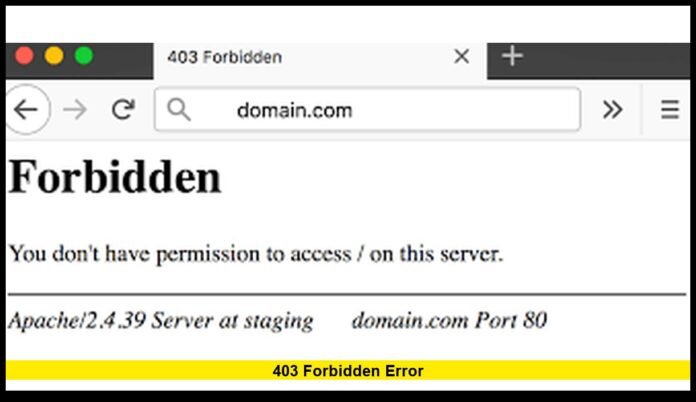

403 forbidden error is one of the most widely encountered access-related messages on the internet today, affecting websites, applications, and online services used by millions of people across the United States. When this error appears, it confirms that a server is reachable, responsive, and functioning correctly, yet has deliberately refused to allow access to a specific page, file, or service. This refusal is not accidental and is not caused by a broken connection or missing content. Instead, it reflects modern access control rules that shape how digital systems protect data, manage users, and enforce permissions.
This article offers a fully original, in-depth, and factual examination of the 403 forbidden error as it exists today. It stays entirely focused on this topic, explains how and why it occurs, describes its real-world impact, and outlines how both users and administrators experience and resolve it. Every section is written in a natural, SEO-ready style for a U.S. audience, with expanded explanations and clear structure.
Understanding What a 403 Forbidden Error Means in Today’s Internet Environment
A 403 forbidden error is an HTTP status code sent by a web server when it understands a request but refuses to authorize it. This distinction is essential. The request reaches the server successfully. The server processes it. The server then decides that access is not allowed under current rules.
This response confirms three key conditions:
- The website or service is online
- The request is valid and properly formatted
- Access is intentionally restricted
Unlike errors caused by missing pages or system failures, a 403 response is a controlled decision made by the server. It exists to enforce boundaries and protect resources.
In modern digital environments, this type of restriction is not rare. It appears across public websites, private dashboards, cloud-based platforms, mobile applications, and backend systems that support everyday online activity.
Why a 403 Forbidden Error Is Not a Sign of a Broken Website
Many users initially believe that a 403 error means something is wrong with the site itself. In reality, this error often signals the opposite. The server is doing exactly what it is designed to do.
The server receives the request and responds immediately. There is no crash, timeout, or system malfunction. The infrastructure is stable and functioning.
This difference matters because it shapes how the issue should be approached. Checking internet connections, restarting devices, or waiting for a site to come back online will not resolve an access denial that is driven by policy.
A 403 error is not a failure. It is enforcement.
How the 403 Forbidden Error Appears to Users Across Platforms
The wording and design of a 403 forbidden error page can vary widely. The variation depends on server software, application frameworks, and design choices made by site owners.
Some users see simple messages such as:
- 403 Forbidden
- Access denied
- You do not have permission to view this page
Other platforms display branded pages with explanations or guidance. Government portals, financial institutions, and enterprise platforms often provide custom layouts that explain why access is restricted.
Despite these differences in presentation, the underlying meaning never changes. The server is refusing access by design.
Why Access Restrictions Are Central to Modern Web Systems
The modern internet is built around controlled access. Very few systems are fully open. Most platforms divide users into roles and permissions.
Access restrictions exist to:
- Protect private data
- Prevent unauthorized actions
- Separate public and internal resources
- Enforce legal and compliance requirements
The 403 forbidden error is one of the primary tools used to enforce these boundaries. Without it, sensitive systems would be exposed to misuse, data leaks, and abuse.
The Most Common Reasons a 403 Forbidden Error Occurs
Every 403 forbidden error is caused by a specific rule or condition. Below are the most common and verified reasons this error appears today.
File and Folder Permission Controls
Web servers operate on operating systems that enforce file-level permissions. These permissions determine who can read, write, or execute files and directories.
A 403 error occurs when:
- Files are not readable by the server
- Directories lack execution permissions
- Ownership settings are incorrect
This problem frequently arises after website migrations, hosting changes, or automated deployments. A single incorrect permission setting can block access to entire sections of a website.
For site owners, this remains one of the most common causes of access denial.
IP Address and Network Restrictions
Many servers restrict access based on IP addresses. These restrictions help protect systems from abuse, attacks, and unauthorized use.
Access may be denied when:
- An IP address is blocked by firewall rules
- Traffic originates from a restricted network
- Automated systems flag unusual request patterns
In the United States, this often affects users switching between home Wi-Fi, mobile networks, corporate connections, or VPN services. A change in network can trigger a block even when the user’s identity remains the same.
Authentication Without Sufficient Authorization
Authentication and authorization are not the same. Authentication confirms who a user is. Authorization determines what that user can access.
A 403 forbidden error occurs when:
- A user is logged in but lacks required permissions
- Access roles change after login
- Session data becomes inconsistent with permission rules
In these cases, the system recognizes the user but refuses access to specific content or actions.
Security Filters and Traffic Analysis Systems
Modern websites rely on automated security layers that analyze incoming requests in real time. These systems are designed to identify and block potentially harmful activity.
Requests may be denied if they:
- Appear automated or scripted
- Match known attack signatures
- Exceed request rate thresholds
- Contain unexpected parameters or headers
While these protections are essential, they can sometimes affect legitimate users, especially those using privacy tools or automation software.
Disabled Directory Browsing
Many servers are configured to prevent directory listing. When a user attempts to access a folder that does not contain a default index file, the server may return a 403 forbidden error.
This prevents exposure of internal file structures and protects backend resources. This behavior is standard on most modern hosting platforms.
Browser, Device, or Environment Restrictions
Some platforms restrict access based on the type of browser, operating system, or device being used.
If a request originates from an unsupported or blocked environment, the server may deny access. This is common on enterprise systems and specialized platforms that require specific configurations.
How the 403 Forbidden Error Differs From Other HTTP Errors
Understanding the difference between HTTP status codes helps identify the cause of an issue quickly.
| Error Code | Meaning | Key Difference |
|---|---|---|
| 401 Unauthorized | Authentication required | Identity not confirmed |
| 403 Forbidden | Access denied | Identity confirmed but blocked |
| 404 Not Found | Resource missing | Content does not exist |
| 500 Internal Server Error | Server failure | Backend malfunction |
The 403 error is unique because it confirms that access is being intentionally denied.
Who Is Most Affected by the 403 Forbidden Error
This error impacts a wide range of users and organizations across industries.
Small and Medium Businesses
Business websites often encounter access issues after updates, hosting changes, or security adjustments.
Developers and Technical Teams
Application developers regularly see 403 responses when permissions, tokens, or roles are misconfigured.
Large Enterprises
Corporations rely on strict access controls, making 403 errors common when roles change or access rules are updated.
Everyday Users
Consumers encounter this error on banking platforms, government portals, subscription services, and workplace systems.
The error is not limited to any single group.
How Website Owners Identify and Resolve a 403 Forbidden Error
Resolving a 403 forbidden error requires a structured approach. Guesswork rarely works.
Reviewing File and Directory Permissions
Administrators begin by verifying that permissions align with intended access.
Correct configurations ensure:
- Public content is accessible
- Protected data remains secure
- Server processes can function normally
Even small permission mismatches can block access entirely.
Examining Server Configuration Rules
Access rules are often defined in configuration files. Errors can arise from misplaced directives, conflicting conditions, or incorrect syntax.
Careful review and testing restore proper access behavior without weakening security.
Analyzing Firewall and Security Policies
Security systems log blocked requests. Administrators review these logs to determine whether legitimate traffic is being denied.
Adjustments may include:
- Removing incorrect blocks
- Updating thresholds
- Whitelisting trusted sources
Verifying User Roles and Permissions
Access issues often stem from mismatched or outdated role assignments.
Solutions include:
- Resetting sessions
- Reassigning permissions
- Synchronizing identity systems
Clear role definitions reduce future access problems.
Testing From Different Networks and Devices
Testing from multiple locations helps identify network-based restrictions. This step is especially useful when users report inconsistent access across regions or devices.
What Users Can Do When They Encounter a 403 Forbidden Error
For non-technical users, options are limited but still meaningful.
Refreshing the Page
Temporary access rules may reset automatically.
Clearing Browser Data
Cached cookies or outdated session data can conflict with current permissions.
Logging Out and Signing Back In
Re-authentication often resolves access issues tied to sessions.
Disabling VPN or Proxy Services
Masked IP addresses frequently trigger security restrictions.
Trying a Different Browser or Device
This helps identify environment-specific limitations.
Contacting the Website or Service Provider
When access is intentionally restricted, only administrators can restore it.
403 Forbidden Error in Applications and APIs
In application development, 403 responses commonly appear when access scopes are missing or restricted.
This indicates:
- Insufficient permissions
- Expired or invalid tokens
- Restricted endpoints
Developers rely on application logs and access rules to diagnose these issues.
Why the 403 Forbidden Error Is Essential for Digital Security
The 403 forbidden error is not a nuisance. It is a core security mechanism.
It prevents:
- Unauthorized access to sensitive data
- Exposure of private systems
- Abuse of protected services
Without this enforcement, modern digital systems would be far more vulnerable to misuse and attack.
Impact of the 403 Forbidden Error on Search Visibility
Search engines treat persistent 403 responses as intentional blocks.
This can result in:
- Pages being excluded from search results
- Reduced crawling
- Lower visibility for affected content
Public-facing pages should never return this error long-term.
How Long a 403 Forbidden Error Typically Persists
The duration of a 403 error depends entirely on its cause.
| Cause | Typical Duration |
|---|---|
| Permission misconfiguration | Until corrected |
| IP blocking | Minutes to days |
| Security rules | Until reviewed |
| Role mismatches | Until updated |
There is no automatic resolution unless rules are changed.
Common Misunderstandings About the 403 Forbidden Error
Several misconceptions persist.
- It does not mean the website is down
- It does not automatically indicate hacking
- It does not mean content has been deleted
Understanding these distinctions reduces confusion and frustration.
Why the 403 Forbidden Error Remains Common Today
Modern digital systems rely on layered access controls. As platforms grow more complex, access rules become more detailed.
Key factors include:
- Zero-trust security models
- Increased automation
- Higher compliance standards
These trends make access enforcement more frequent, not less.
How Access Control Is Evolving
Access systems continue to change as technology advances.
Emerging trends include:
- Context-based permissions
- Stronger identity verification
- Dynamic access policies
Even as systems evolve, the 403 forbidden error remains a foundational enforcement response.
If you’ve encountered a 403 forbidden error recently, share your experience or stay informed as access control continues to shape how today’s digital platforms operate.