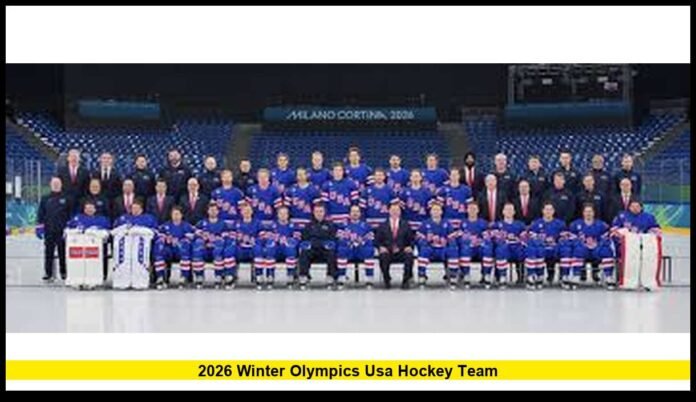

The 2026 winter olympics usa hockey team is taking center stage in Italy as the Milano-Cortina Games bring the world’s best players back to Olympic competition. With NHL athletes officially returning to the Winter Games for the first time since 2014, Team USA enters this tournament with heightened expectations, deeper talent, and a renewed pursuit of gold on both the men’s and women’s sides.
Olympic hockey has always delivered unforgettable moments for American fans. From historic upsets to dramatic medal runs, the United States has built a proud legacy on the ice. Now, in 2026, that tradition meets modern firepower as elite professionals represent their country on one of the biggest stages in global sports.
NHL Players Return to the Olympic Spotlight
One of the defining storylines of the 2026 Winter Games is the long-awaited return of NHL players to Olympic competition. After missing the 2018 and 2022 tournaments, the world’s top professional league reached an agreement allowing its athletes to participate in both the 2026 and 2030 Winter Olympics.
That decision immediately elevated the level of play in Milano-Cortina. For Team USA, it means a roster filled with All-Stars, franchise leaders, and seasoned playoff performers. The American lineup features elite scorers, dynamic defensemen, and goaltenders who compete at the highest level of professional hockey.
This year’s Olympic tournament includes 12 men’s teams battling through group play before advancing to the knockout rounds. The competition level mirrors the intensity of a Stanley Cup playoff series, with national pride replacing club rivalries.
Team USA Men: Built for Speed and Skill
The United States men’s hockey program has steadily developed into one of the deepest talent pools in the world. American players now dominate NHL rosters across every position, reflecting the growth of youth development programs nationwide.
The 2026 roster reflects that depth. The team blends established veterans with emerging stars who have already proven themselves in high-pressure situations. Speed, puck movement, and offensive creativity define the American identity, while improved defensive structure and goaltending stability round out the lineup.
Coaching staff members have emphasized discipline, transition play, and special-teams execution as keys to tournament success. With the Olympic format demanding consistency over a short window, every shift carries weight.
The goal is clear: compete for a gold medal and add a new chapter to U.S. Olympic hockey history.
Women’s Team Continues Its Championship Standard
The American women’s hockey program enters the Milano-Cortina Games as one of the sport’s most dominant forces. For decades, the United States and Canada have defined women’s Olympic hockey, regularly meeting in high-stakes matchups that determine medal standings.
The U.S. women’s roster in 2026 combines experienced Olympians with a new wave of skilled forwards and mobile defenders. Strong goaltending remains a hallmark of the program, supported by a defensive structure designed to limit high-quality scoring chances.
Throughout the early stages of the tournament, the Americans have demonstrated speed and offensive balance. Multiple scoring lines create matchup challenges for opponents, while aggressive forechecking keeps pressure in the offensive zone.
Team leaders have stressed preparation, accountability, and composure as the tournament advances. With Olympic experience across the lineup, the U.S. women are once again positioned as legitimate gold medal contenders.
Milano-Cortina Stage Elevates the Tournament
The 2026 Winter Games mark the first Olympics hosted in Italy since 2006. Hockey competition spans multiple venues, blending historic arenas with modern facilities built to showcase international sport.
The Olympic atmosphere adds a unique dimension for players accustomed to NHL arenas. Representing the United States on this stage carries emotional significance that goes beyond professional achievements.
Athletes have described the pride of wearing the national jersey, standing during the anthem, and competing in front of a global audience. For many, the Olympics represent a childhood dream realized.
Depth and Development Shape the American Edge
Over the past two decades, the United States has invested heavily in grassroots hockey development. National training programs, collegiate competition, and professional pathways have created a steady pipeline of elite talent.
College hockey remains a crucial stepping stone, particularly for American players who transition into the NHL with strong fundamentals and leadership skills. Meanwhile, international junior tournaments have given young athletes valuable global experience long before they reach the Olympic stage.
That developmental structure plays a major role in the strength of the 2026 roster. The American teams feature players who have competed together in world championships, youth tournaments, and professional leagues, fostering chemistry that translates into cohesive play.
Tournament Format and Medal Path
The men’s and women’s tournaments follow structured formats that reward both consistency and peak performance. Group-stage games determine seeding, while knockout rounds intensify the pressure.
A single elimination game can define an Olympic campaign. For that reason, coaches focus on preparation details: managing minutes, maintaining discipline, and capitalizing on special-teams opportunities.
For the United States, advancing deep into the medal rounds requires resilience. Every opponent represents the best from their nation, and matchups against traditional hockey powers promise tightly contested battles.
American Hockey’s Broader Impact
The significance of the 2026 winter olympics usa hockey team extends beyond medals. Olympic visibility often sparks growth in youth participation and expands the sport’s reach across the country.
After previous Olympic tournaments, USA Hockey reported increased registration numbers among young players inspired by Team USA performances. The 2026 Games offer another opportunity to energize communities and strengthen the sport’s foundation nationwide.
The exposure also highlights the diversity of American hockey. Players from traditional hockey states and emerging markets alike now wear the same uniform, reflecting the sport’s nationwide expansion.
Leadership and Locker Room Culture
Olympic success depends on more than talent alone. Leadership inside the locker room often determines how teams respond to adversity.
Veteran players on both the men’s and women’s rosters have embraced mentorship roles, guiding younger teammates through the emotional intensity of the Games. Team culture emphasizes accountability, unity, and respect for the Olympic stage.
Short tournaments demand rapid adjustments. Leaders help maintain focus, whether the team is riding momentum or regrouping after a tough period.
Fans Rally Behind Team USA
American hockey fans have responded with enthusiasm as the Games unfold. Viewing numbers, social media engagement, and public support reflect the excitement surrounding NHL participation and renewed medal hopes.
The Olympic stage unites fans who may root for rival NHL franchises during the regular season. In February, those allegiances shift entirely to the red, white, and blue.
The energy surrounding Team USA demonstrates the sport’s growing popularity across the United States.
The Road Ahead in Milano-Cortina
As competition continues in Italy, both the men’s and women’s teams remain focused on the ultimate prize. Each game builds toward the medal rounds, where preparation, composure, and execution will determine the outcome.
For the players representing the United States, the opportunity carries historic weight. Every shift, every save, and every goal contributes to the larger story of American hockey at the Olympic Games.
The 2026 tournament stands as a defining moment for a generation of athletes eager to etch their names into Olympic history.
What are your expectations for Team USA’s Olympic run? Share your thoughts and stay tuned as the action unfolds on the world’s biggest ice stage.